
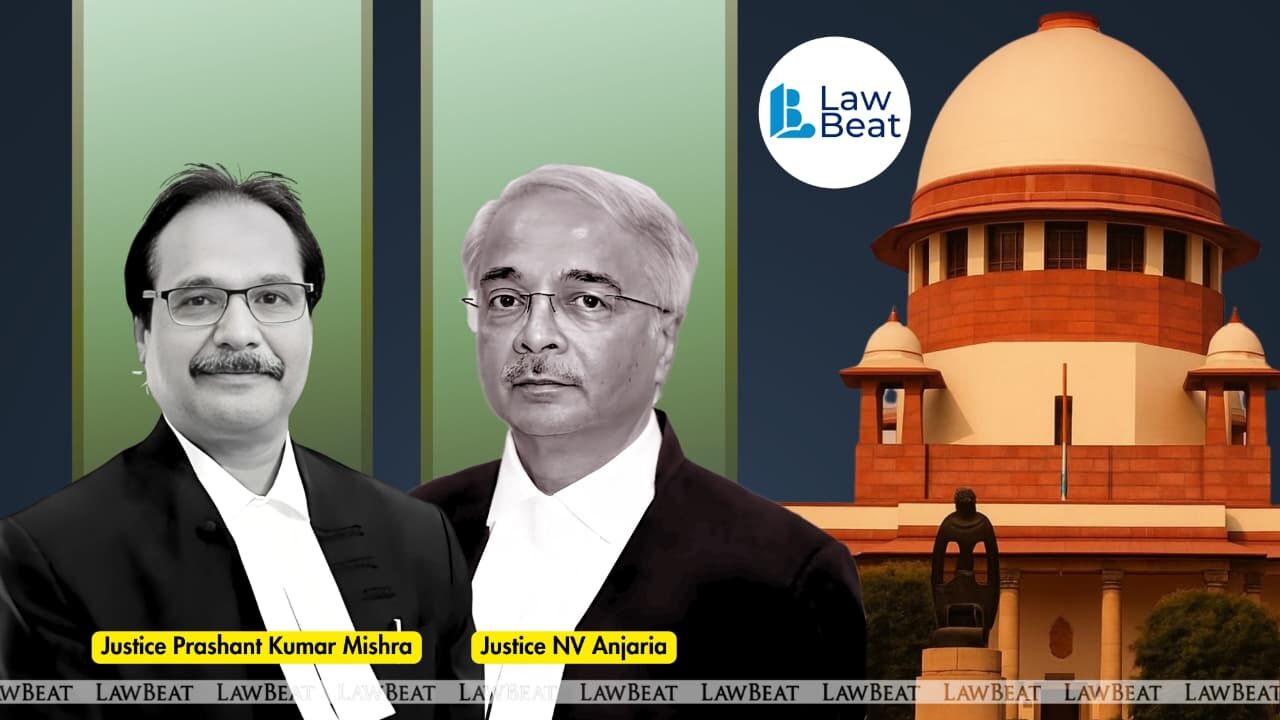
Section 156(3) CrPC: Rejection of Application Does Not Prevent Fresh FIR, Says Supreme Court
The Supreme Court has held that rejection of a Section 156(3) CrPC application does not operate as res judicata and does not bar registration of a subsequent FIR if fresh information discloses a cognizable offence. This ruling is significant for practitioners, businesses, and the public as it clarifies the scope of judicial intervention in police investigations under the Code of Criminal Procedure, 1973.
The legal significance of this development lies in its impact on the registration of First Information Reports (FIRs) in cases where a local police station refuses to act on a complaint regarding a cognizable offence. The Supreme Court's ruling ensures that the police's independent statutory duty under Section 154 of the CrPC continues, even if an application under Section 156(3) is rejected. This means that the registration of an FIR can still be ordered by a judicial magistrate, even after rejection of a Section 156(3) application.
The relevant statutes and regulations involved in this ruling are the Code of Criminal Procedure, 1973, specifically Sections 154 and 156(3). The court hierarchy involved is the Supreme Court of India, with a Bench comprising Justices Prashant Kumar Mishra and N V Anjaria. The key parties involved are the police, judicial magistrates, and complainants in cases where a local police station refuses to act on a complaint regarding a cognizable offence.
Practitioners should take note of this ruling as it clarifies the scope of judicial intervention in police investigations under the CrPC. Attorneys representing clients who have had their Section 156(3) applications rejected should be aware that registration of an FIR can still be ordered by a judicial magistrate, even after rejection of the application.
How does this affect you?
Get an AI analysis of this article grounded in your jurisdictions, practice areas, and any policy documents you've uploaded to Wansom.
Wansom is AI and can make mistakes.