
Second Circuit: SoundExchange Standing to Sue SiriusXM Questioned
Summary
- The Second Circuit is reviewing a $150 million music royalty lawsuit brought by SoundExchange against SiriusXM.
- The core legal question is whether SoundExchange has the standing to sue for alleged underpayments, following a lower court's dismissal of its 2023 complaint in 2025.
- SoundExchange argues Congress granted it enforcement rights in 2002, while SiriusXM claims the organization is overstepping its role as a collection agent.
- Judges on the panel expressed differing views on whether artists should sue directly or if SoundExchange's role under 17 U.S. Code § 114 includes litigation.
- The decision will significantly impact the future of music streaming royalty collection and copyright royalty litigation strategies for artists and collection societies.
Appellate Court Scrutinizes Royalty Enforcement
The Second Circuit's ultimate determination on SoundExchange's standing to sue will have profound implications for the music industry, directly influencing who can initiate legal action for underpaid music royalties.
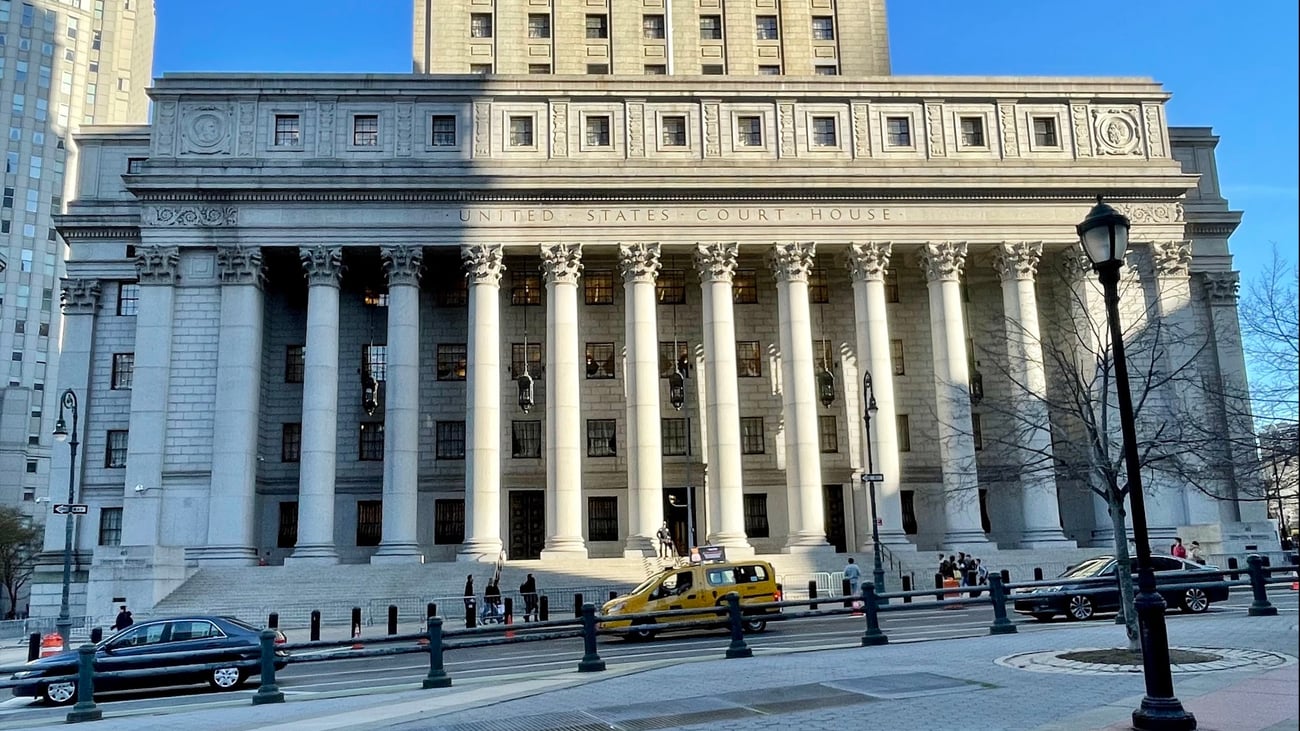
The U.S. Court of Appeals for the Second Circuit recently heard arguments in a significant $150 million music royalties dispute involving SoundExchange and satellite radio giant SiriusXM. The central question before the appellate panel, convening at the Thurgood Marshall U.S. Courthouse in lower Manhattan, is whether SoundExchange, a non-profit organization responsible for collecting and distributing royalties to artists, possesses the legal standing to pursue such claims directly.
SoundExchange initiated the lawsuit in 2023, alleging that SiriusXM engaged in deceptive accounting practices to avoid paying hundreds of millions of dollars in owed royalty payments. Specifically, the organization claims SiriusXM creatively reclassified some of its satellite radio traffic as streaming, thereby shortchanging artists on the higher radio royalty rates they were contractually due. The Second Circuit's forthcoming decision is anticipated to significantly reshape the landscape of how digital music royalty payments are enforced across the industry.
Legal Battle Over Enforcement Rights
The current appellate review follows a 2025 ruling by U.S. District Judge Naomi Reice Buchwald in the Southern District of New York, which dismissed SoundExchange's case. This lower court decision, the first of its kind, concluded that while SoundExchange holds rights to collect royalties on behalf of artists, this authority does not extend to initiating lawsuits to enforce those royalty agreements. SoundExchange, through its counsel, former U.S. Solicitor General Paul Clement, characterized this interpretation as a "head-scratching position," arguing that Congress explicitly granted it "enforcement of rights" over two decades ago, a mandate consistently upheld in all previous litigation concerning the issue.
During the appellate hearing, U.S. Circuit Judge Richard Sullivan, a Donald Trump appointee, questioned why individual artists could not collectively file a class action, suggesting that SoundExchange's role might be limited to assisting such efforts, with standing ultimately resting with the artists. Conversely, U.S. Circuit Judge Alison Nathan, a Joe Biden appointee, expressed concern about judicial interference with a congressional enforcement scheme, noting that 17 U.S. Code § 114 appears to establish SoundExchange as the designated entity for royalty collection. Andrew Tulumello, representing SiriusXM, countered that SoundExchange was overstepping its bounds as a collection agent, asserting that the organization had become a "runaway" entity, unaccountable and acting as a "private attorney general" by suing on various theories.
Defining Future Royalty Litigation
The Second Circuit's ultimate determination on SoundExchange's standing to sue will have profound implications for the music industry, directly influencing who can initiate legal action for underpaid music royalties. For over a decade, SoundExchange has routinely brought similar actions against radio broadcasters and streaming services, with these cases typically resulting in settlements or referrals to the Copyright Royalty Board. This specific lawsuit against SiriusXM, however, presents a unique challenge to the organization's long-established enforcement mechanism.
Congress initially green-lit the creation of independent groups like SoundExchange in 2002, recognizing the efficiency of a centralized entity handling royalty collection and disbursement, rather than requiring each artist to manage the process individually. A ruling against SoundExchange could necessitate a fundamental shift in litigation strategies for artists seeking to recover owed royalties, potentially forcing them to band together for direct legal action. Conversely, a decision affirming SoundExchange's standing would reinforce the existing framework for music streaming royalty collection and copyright royalty litigation, maintaining the organization's pivotal role in ensuring artists receive their due payments.
Practical Implications
This Second Circuit decision will define who can sue for music royalty underpayments, directly affecting litigation strategies for artists, collection societies like SoundExchange, and compliance risk assessments for digital broadcasters and streaming platforms.
Source
How does this affect you?
Get an AI analysis of this article grounded in your jurisdictions, practice areas, and any policy documents you've uploaded to Wansom.
Finish Reading the Full Story and the Expert Analysis.
Get the latest legal & regulatory intelligence in United States
Wansom is AI and can make mistakes.