
Second Circuit Affirms Dismissal of False Claims Act Suit Against Cooke Seafood
Summary
- The Second Circuit has affirmed the dismissal of a $2 billion False Claims Act suit against Cooke Seafood.
- Wild fish do not constitute 'property' under the False Claims Act, according to the ruling.
- The decision may impact compliance for companies operating in U.S. waters, particularly those involved in fishing or seafood processing.
- Lawyers should watch for potential exposure under the False Claims Act if their clients are found to be circumventing regulations or misrepresenting ownership of vessels.
Second Circuit Affirms Dismissal of False Claims Act Suit Against Cooke Seafood
Accordingly, because the federal and state governments do not have a property interest in wild fish, the district court correctly concluded that the amended complaint failed to state a claim under Sections 3729(a)(1)(A), (B) and (C) of the False Claims Act.
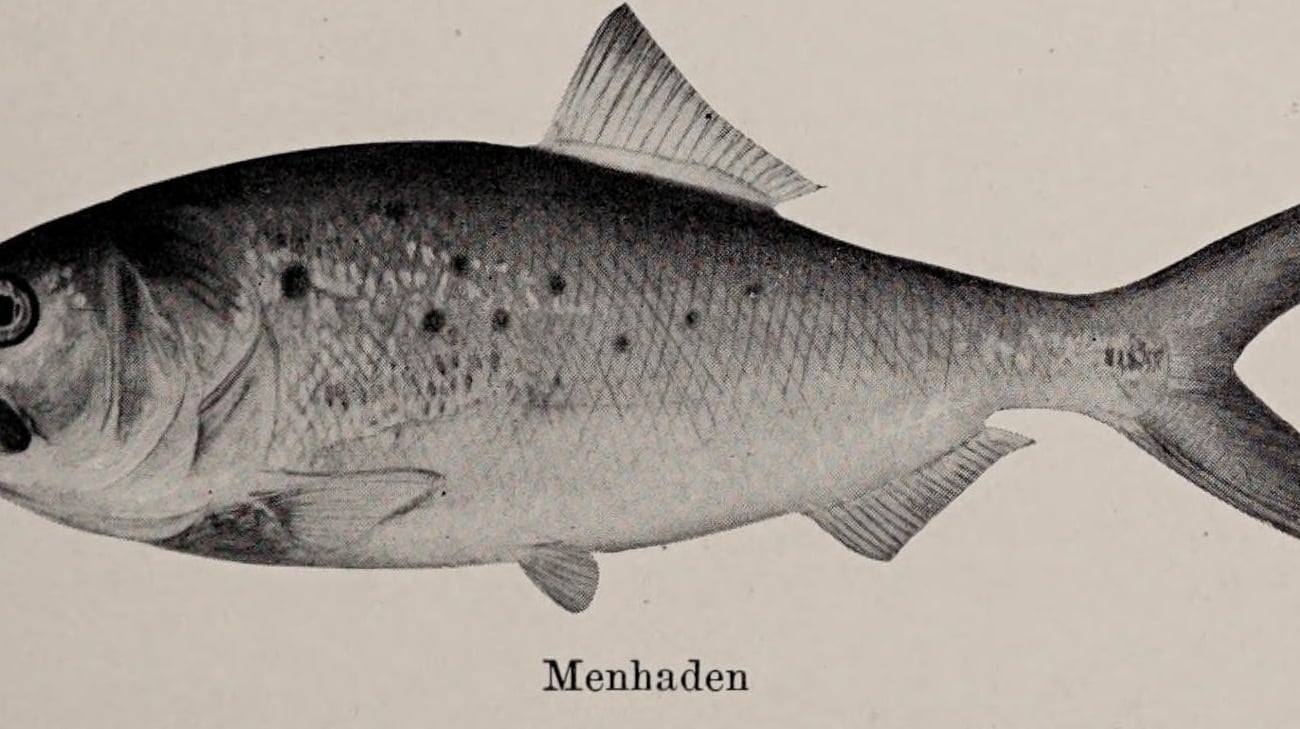
A federal appeals panel has ruled that wild fish do not constitute 'property' for purposes of a False Claims Act complaint, affirming the dismissal of a $2 billion case brought against Cooke Seafood. The lawsuit, filed by two private U.S. citizens, accused the Canadian seafood conglomerate of illegally harvesting millions of dollars' worth of menhaden fish from U.S. waters without proper ownership or control. The Second Circuit panel's 32-page ruling cited the Supreme Court's prior holding that state ownership of wildlife is 'pure fantasy,' and that the federal government's regulatory authority over wild fish does not confer property rights. This decision may have significant implications for companies operating in U.S. waters, particularly those involved in fishing or seafood processing, as it sets a precedent for what constitutes 'property' under the False Claims Act.
Relevant Legal and Regulatory Context
The lawsuit was brought under the False Claims Act, which allows individuals to sue on behalf of the government in a qui tam action. If successful, the individual shares any recovered funds. The case also involved the Submerged Lands Act, which prescribes that states have 'title to and ownership of' all marine animal and plant life in state waters. However, the Second Circuit panel's ruling cited the Supreme Court's language pertaining to the lack of property rights conferred by the United States government's broad regulatory authority over wild fish. This decision may impact compliance for companies operating in U.S. waters, particularly those involved in fishing or seafood processing, as it sets a precedent for what constitutes 'property' under the False Claims Act.
Why It Matters
This ruling has significant implications for companies operating in U.S. waters, particularly those involved in fishing or seafood processing. The decision may impact compliance for these companies, as it sets a precedent for what constitutes 'property' under the False Claims Act. Lawyers should watch for potential exposure under the False Claims Act if their clients are found to be circumventing regulations or misrepresenting ownership of vessels. The case also highlights the importance of regulatory compliance in the fishing industry, and the need for companies to ensure they are operating within the bounds of the law.
Practical Implications
This ruling may impact compliance for companies operating in US waters, particularly those involved in fishing or seafood processing. Lawyers should watch for potential exposure under the False Claims Act if their clients are found to be circumventing regulations or misrepresenting ownership of vessels.
Source
How does this affect your business?
Get an AI analysis of this article grounded in your jurisdictions, practice areas, and any policy documents you've uploaded to Wansom.
Wansom is AI and can make mistakes.