
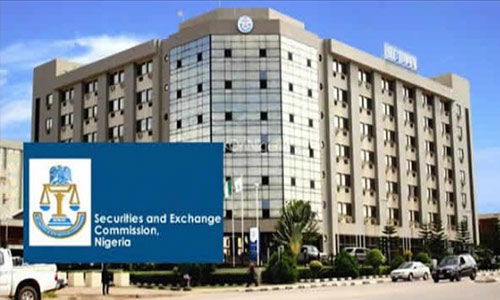
SEC Nigeria: Mandates Terrorism Sanctions Asset Freeze for Capital Market
Summary
- The Securities and Exchange Commission (SEC) has directed all capital market-regulated entities in Nigeria to immediately freeze assets of nine designated terrorist financiers.
- This directive applies to six individuals and three entities officially placed on the Nigeria Sanctions List.
- Capital market operators are explicitly required to identify and freeze funds, assets, and other economic resources without prior notice to the asset holders.
- The instruction was communicated through a circular signed by the SEC management.
- Compliance is mandatory for all regulated entities to combat terrorism financing and uphold financial market integrity.
Immediate Action from SEC Nigeria
The core of this SEC Nigeria terrorism sanctions asset freeze directive is the explicit requirement for capital market-regulated entities to act without any prior notification to the asset holders, underscoring the urgency and sensitivity of the measure.
The Securities and Exchange Commission (SEC) in Nigeria has issued a stringent directive to all entities operating within the nation's capital market, mandating the immediate identification and freezing of assets belonging to individuals and organizations designated as terrorist financiers. This critical instruction, communicated via a circular signed by the SEC management, targets six individuals and three distinct entities that have been officially placed on the Nigeria Sanctions List. The core of this SEC Nigeria terrorism sanctions asset freeze directive is the explicit requirement for capital market-regulated entities to act without any prior notification to the asset holders, underscoring the urgency and sensitivity of the measure.
This decisive Nigerian Capital Market Operators directive highlights the regulatory body's commitment to combating illicit financial flows and ensuring the integrity of the financial system. The SEC circular asset freeze Nigeria outlines a non-negotiable obligation for all regulated participants to scrutinize their records and promptly secure any funds, assets, or other economic resources linked to the listed parties. The scope of "economic resources" is broad, encompassing not just cash and securities but any property or financial instruments that could be used to support terrorist activities. The absence of a prior notice requirement is a significant procedural detail, designed to prevent the dissipation or transfer of assets once the subjects become aware of the impending action.
The directive specifically instructs all capital market-regulated entities to identify and freeze "funds, assets and other economic resources" belonging to the nine designated parties. This comprehensive approach ensures that various forms of wealth, from traditional financial holdings to other valuable properties, are brought under the purview of the freeze order. The immediate nature of the directive emphasizes the critical role these operators play in the nation's financial security architecture, requiring swift and decisive action to prevent any further potential misuse of funds by those identified on the Nigeria Sanctions List.
Compliance Mandate and the Nigeria Sanctions List
The directive from the SEC is rooted in Nigeria's broader legal and regulatory framework for combating terrorism financing. The Nigeria Sanctions List asset freezing mechanism is a crucial tool in the nation's strategy to disrupt the financial networks of individuals and groups involved in terrorism. Entities designated as terrorist financiers, such as the six individuals and three entities recently added, are subject to severe restrictions aimed at cutting off their access to financial resources within the country's economic system.
This mandate places a significant compliance burden on capital market operators, who are now tasked with ensuring their systems and processes can effectively identify and freeze assets linked to the SEC Nigeria terrorist financiers list. Adherence to this directive is not merely a procedural formality but a fundamental obligation under anti-terrorism financing laws, specifically the Terrorism (Prevention and Prohibition) Act, 2022. Failure to comply could expose regulated entities to substantial penalties and reputational damage, underscoring the importance of immediate and thorough action. The circular serves as a clear reminder of the continuous vigilance required from all participants in the financial market to uphold national security objectives.
Urgent Compliance Requirements for Operators
For compliance officers and legal counsel advising capital market-regulated entities, the SEC's directive necessitates immediate and robust action. The instruction to freeze assets without prior notice means that internal protocols must be activated swiftly to identify any existing relationships or holdings connected to the designated individuals and entities. This process requires meticulous cross-referencing of client databases, investment portfolios, and any other relevant financial records against the Nigeria Sanctions List.
The urgency of this directive cannot be overstated, as any delay in implementing the asset freeze could be viewed as a breach of regulatory obligations. Financial market anti-terrorism compliance Nigeria demands that operators not only identify but also immediately implement the freeze, preventing any transactions or movements of funds associated with the listed parties. Lawyers advising these entities must ensure that their clients understand the full scope of their responsibilities and the potential legal ramifications of non-compliance, guiding them through the necessary steps to secure the identified assets in accordance with the SEC's mandate. This includes establishing clear audit trails of all actions taken to demonstrate full adherence to the directive.
Strengthening Anti-Terrorism Financing Efforts
The SEC's proactive stance in issuing this asset freeze directive underscores Nigeria's commitment to strengthening its anti-terrorism financing regime. By targeting the financial lifelines of designated terrorist financiers, the nation aims to disrupt their operational capabilities and mitigate threats to national security. This measure aligns with international best practices and global efforts to combat money laundering and the financing of terrorism, reinforcing Nigeria's position as a responsible actor in the global financial system.
The continuous updating and enforcement of the Nigeria Sanctions List, coupled with directives like this SEC circular, are vital components of a comprehensive strategy. They send a clear message that the Nigerian financial market will not be a haven for illicit activities, compelling all regulated entities to maintain heightened vigilance and robust compliance frameworks. Ultimately, these actions contribute to a more secure and stable financial environment, protecting investors and the broader economy from the destabilizing effects of terrorism financing.
Practical Implications
Compliance officers at capital market-regulated entities in Nigeria must immediately identify and freeze assets belonging to the designated individuals and entities on the Nigeria Sanctions List, without prior notice to the asset holders. Lawyers advising these entities should ensure prompt implementation of this directive to mitigate regulatory exposure and ensure adherence to anti-terrorism financing obligations.
Source
How does this affect you?
Get an AI analysis of this article grounded in your jurisdictions, practice areas, and any policy documents you've uploaded to Wansom.
Wansom is AI and can make mistakes.