
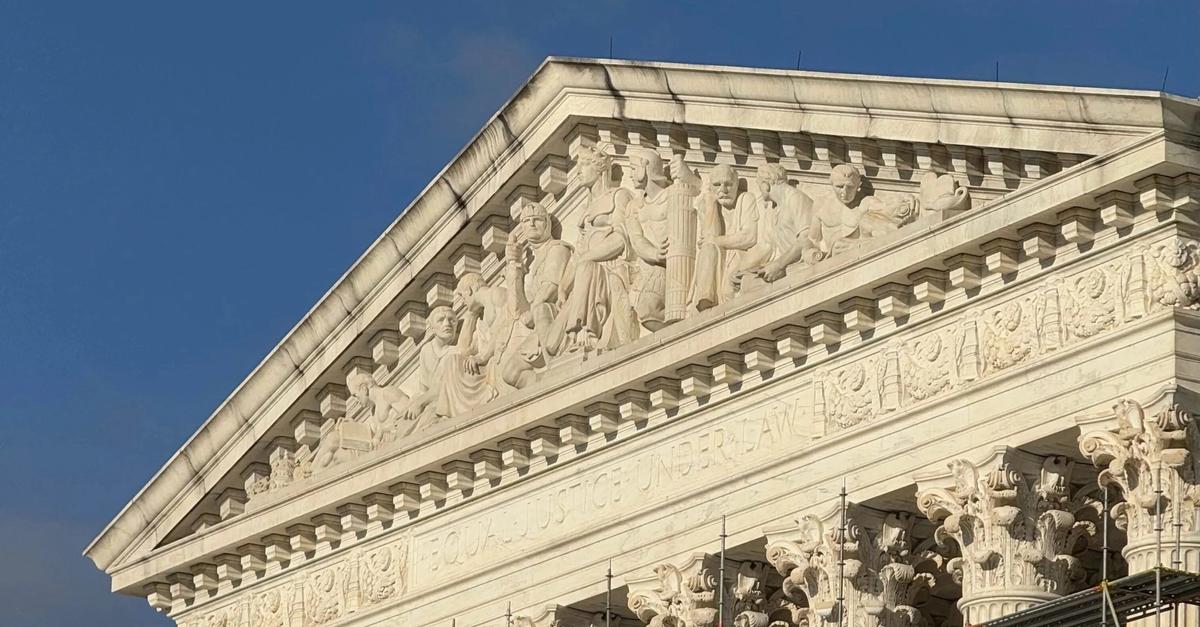
SCOTUS: Suncor, Johnson Arguments Heard October 2026
Summary
- The Supreme Court began its new term today, the first Monday in October, with an order list release and two oral arguments scheduled.
- Today's arguments include `Suncor Energy Inc. v. County Commissioners of Boulder County` on climate change federal preemption and `Johnson v. United States Congress` on veteran disability benefits.
- Tomorrow, the Court will hear `Anderson v. Intel Corporation Investment Policy Committee`, an ERISA dispute concerning imprudent investment of retirement funds.
- The Trump administration has brought a dispute over transgender inmate healthcare policies to the interim docket, with a response due by Thursday.
- These cases are expected to set significant precedents impacting environmental law, constitutional challenges, and ERISA compliance.
Supreme Court Kicks Off New Term with Major Arguments
Lawyers and compliance officers should closely monitor the outcomes of these specific Supreme Court arguments, particularly regarding federal preemption in climate change litigation, constitutional challenges to veteran disability benefits, and ERISA investment duties.
The Supreme Court commenced its new term today, marking the first Monday in October with a busy schedule. The day began with the anticipated release of an order list at 9:30 a.m. EDT, which is expected to detail numerous petitions that were denied during last week's extensive conference. This initial order list sets the stage for the term's proceedings, indicating which cases the justices will not be taking up.
Today, the Court is scheduled to hear oral arguments in two significant cases, with the first session commencing at 10 a.m. EDT. These arguments include `Suncor Energy Inc. v. County Commissioners of Boulder County` and `Johnson v. United States Congress`. Looking ahead, the justices will also hear arguments tomorrow in `Anderson v. Intel Corporation Investment Policy Committee`, adding another high-profile case to the early docket of the Supreme Court 2026 term cases. These early arguments highlight the diverse and impactful issues the Court will address.
Key Cases Under Scrutiny
The `Suncor Energy Inc. v. County Commissioners of Boulder County` case presents a critical question regarding the interplay between state and federal law. The Court will consider whether a lawsuit filed in a Colorado state court, which seeks to hold energy companies accountable for their alleged role in climate change, can proceed, or if federal law instead preempts such claims. The outcome of these SCOTUS Suncor Johnson arguments October 2026 will have significant implications for climate change federal preemption and the future of environmental litigation.
Following this, `Johnson v. United States Congress` will address a constitutional challenge to a federal law that limits disability benefits for certain incarcerated veterans. The central issue is whether a federal district court possesses the authority to hear such a constitutional challenge. This veteran disability benefits challenge could redefine the scope of judicial review over legislative actions impacting veterans' entitlements. Separately, tomorrow's `Anderson v. Intel ERISA` argument will delve into an Employee Retirement Income Security Act (ERISA) dispute concerning how to handle claims that employers have imprudently invested employees' retirement funds, a matter of considerable importance for corporate fiduciaries and beneficiaries alike.
Broader Legal and Regulatory Implications
The cases on the docket, particularly the `Suncor Energy v Boulder County` and `Johnson v United States Congress` arguments, carry substantial weight for various legal sectors. The `Suncor` case's resolution on federal preemption in climate change litigation could establish a precedent that either opens or closes avenues for state-level actions against industries, profoundly affecting environmental law and corporate liability. Similarly, the `Johnson` case's decision on the constitutional challenge to veteran disability benefits could impact how federal courts review legislative restrictions on social welfare programs.
Furthermore, the `Anderson v Intel ERISA` dispute will be closely watched by legal professionals advising fiduciaries and plan sponsors. Its outcome could reshape the understanding of prudent investment duties under ERISA, necessitating adjustments to compliance frameworks and investment strategies for employers managing retirement funds. Lawyers and compliance officers should closely monitor the outcomes of these specific Supreme Court arguments, particularly regarding federal preemption in climate change litigation, constitutional challenges to veteran disability benefits, and ERISA investment duties. These cases could establish significant precedents, necessitating adjustments to client advice, litigation strategies, and compliance frameworks in affected sectors.
Interim Docket Developments
Beyond the scheduled oral arguments, the Court's interim docket has also seen recent activity. On September 28, the Trump administration brought a dispute to this docket concerning the Federal Bureau of Prison’s policy on healthcare and accommodations for transgender inmates. This development signals another area of potential legal contention that the Court may need to address.
The Court has issued a directive to the challengers in this particular dispute, requesting their response to the administration's filing. This response is due by 4 p.m. EDT on Thursday, indicating a swift timeline for initial engagement on this sensitive issue. The inclusion of such a dispute on the interim docket highlights the Court's ongoing role in addressing pressing administrative and constitutional questions.
Practical Implications
Lawyers and compliance officers should closely monitor the outcomes of these specific Supreme Court arguments, particularly regarding federal preemption in climate change litigation, constitutional challenges to veteran disability benefits, and ERISA investment duties. These cases could establish significant precedents, necessitating adjustments to client advice, litigation strategies, and compliance frameworks in affected sectors.
Source
How does this affect you?
Get an AI analysis of this article grounded in your jurisdictions, practice areas, and any policy documents you've uploaded to Wansom.
Finish Reading the Full Story and the Expert Analysis.
Get the latest legal & regulatory intelligence in United States
Wansom is AI and can make mistakes.