
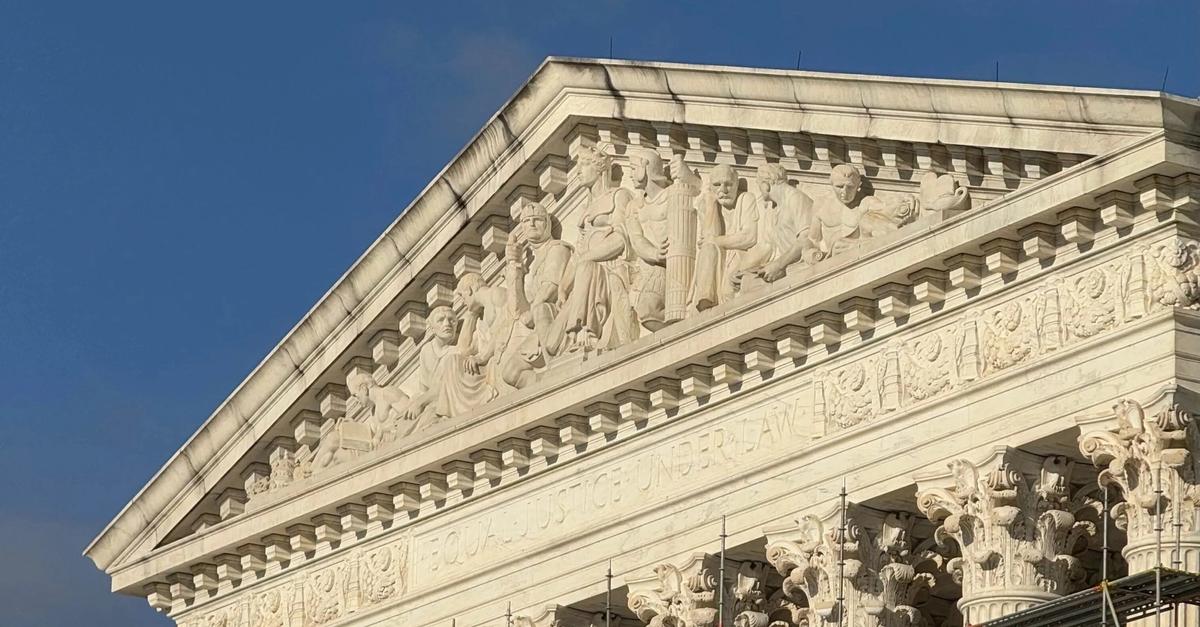
SCOTUS Hears St. Mary Catholic Parish v. Roy Argument on Religious Discrimination
Summary
- The Supreme Court heard arguments in St. Mary Catholic Parish v. Roy, a religious discrimination case from Colorado.
- Catholic preschools are challenging a state requirement to admit all children, including LGBTQ children and those with LGBTQ parents, to its universal preschool program.
- The dispute centers on whether religious institutions participating in state-funded programs must comply with anti-discrimination mandates.
- The case examines the tension between religious freedom and anti-discrimination laws.
- The ruling will significantly impact religious educational institutions and their ability to claim exemptions from state requirements.
Supreme Court Hears Key Religious Freedom Case
The outcome of St. Mary Catholic Parish v. Roy carries substantial implications for the balance between religious freedom vs anti-discrimination principles across the nation.
The U.S. Supreme Court recently considered oral arguments in the significant case of St. Mary Catholic Parish v. Roy, a dispute that pits religious educational institutions against state anti-discrimination mandates. This `SCOTUS religious discrimination case` originated from Colorado, where Catholic preschools are challenging a state requirement tied to its universal preschool program.
The central issue revolves around the state's stipulation that all schools participating in its publicly funded early childhood education initiative must adhere to an inclusive admissions policy. This policy explicitly mandates that all children be admitted, a provision that extends to `LGBTQ children` and those with `LGBTQ parents`. The `St. Mary Catholic Parish v. Roy argument` at the Supreme Court will determine the extent to which religious organizations can claim exemptions from such broad anti-discrimination rules when engaging with state programs.
The Colorado Universal Preschool Program Dispute
Colorado's `universal preschool program` aims to provide widespread access to early education, but its terms have sparked a `religious discrimination` challenge from `Colorado preschools` affiliated with the Catholic Church. These institutions contend that the state's non-discrimination clause, particularly its inclusion of LGBTQ individuals, infringes upon their religious freedom.
The Catholic preschools argue that complying with the state's admission requirements would compel them to act against their sincerely held religious beliefs. This legal battle highlights a growing tension between governmental efforts to ensure equitable access and the constitutional protections afforded to religious organizations, setting the stage for a potentially landmark decision regarding the intersection of faith and public policy.
Implications for Religious Institutions and State Programs
The outcome of `St. Mary Catholic Parish v. Roy` carries substantial implications for the balance between `religious freedom vs anti-discrimination` principles across the nation. A ruling in favor of the state could reinforce the idea that entities accepting public funds must adhere to public policy, including non-discrimination statutes, regardless of religious objections.
Conversely, a decision supporting the Catholic preschools could broaden the scope of religious exemptions, allowing faith-based organizations greater latitude to operate according to their doctrines even when participating in state-sponsored initiatives. This `St. Mary Catholic Parish Supreme Court` decision is therefore critical for religious educational institutions and other faith-based organizations that partner with government programs, as it will clarify the boundaries of religious accommodation in contemporary legal frameworks.
Practical Implications
Lawyers advising religious educational institutions or organizations participating in state-funded programs should closely monitor the outcome of St. Mary Catholic Parish v. Roy, as it will clarify the extent to which religious entities can assert religious freedom exemptions from state anti-discrimination requirements, particularly concerning LGBTQ individuals. This ruling could establish a precedent impacting compliance obligations and the scope of religious accommodations in public-private partnerships.
Source
How does this affect you?
Get an AI analysis of this article grounded in your jurisdictions, practice areas, and any policy documents you've uploaded to Wansom.
Wansom is AI and can make mistakes.