
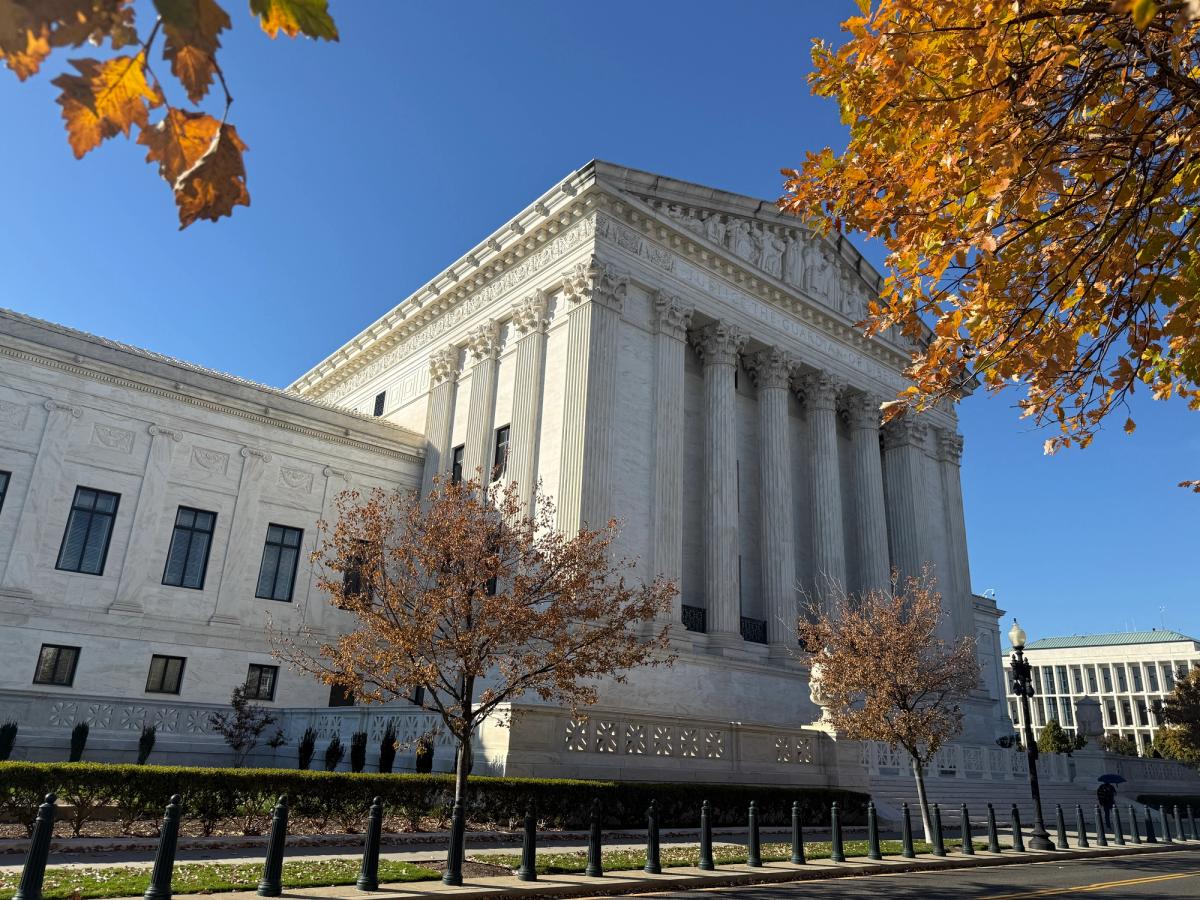
SCOTUS 2026-27 Term: Low Case Count Signals Quiet Docket
Summary
- The Supreme Court's 2026-27 term began this fall with observations of a quieter docket.
- The Court is experiencing a generally low case count, not just a lack of blockbuster cases.
- The pace of Supreme Court case grants for the 2026-27 term is behind typical schedules.
- Current disputes involve climate change, immigration, and the Second Amendment, but lack the magnitude of previous term's cases.
- This reduced volume suggests fewer new, high-impact precedents may be established, potentially leading to greater legal stability.
A Quiet Start to the Term
For legal practitioners, this quiet period on the US Supreme Court 2026-27 docket implies that the landscape of high-impact, novel legal rulings may be less dynamic than in previous years.
The Supreme Court's 2026-27 term commenced this fall, immediately drawing attention from legal observers who noted an unusual tranquility compared to the preceding judicial calendar. Early assessments suggested a quiet SCOTUS term 2026-27 was on the horizon, characterized by a noticeably lighter caseload. This initial impression has been reinforced as the term progresses, with the overall volume of cases appearing significantly reduced.
More than a month into its proceedings, the SCOTUS oral argument schedule 2026-27 reflects a distinct SCOTUS 2026-27 term low case count. This observation extends beyond merely a lack of high-profile "blockbuster" disputes; the Court is generally operating with fewer cases on its docket. This reduced activity is further underscored by the pace of Supreme Court case grants 2026-27, which has lagged behind the Court's historical averages.
Distinguishing from Previous Terms
While the current US Supreme Court 2026-27 docket does include significant matters touching upon climate change, immigration policy, and the Second Amendment, these cases do not appear to carry the same weight or generate the same level of national anticipation as those heard in the previous term. The prior judicial year was marked by intense legal battles concerning tariffs, the contentious issue of birthright citizenship, the scope of executive authority, and critical challenges to the Voting Rights Act.
In stark contrast, the 2026-27 Supreme Court term analysis reveals an absence of cases that parallel the magnitude and societal impact of those prior disputes. The current slate, while important in its own right, lacks the defining, landmark controversies that often characterize a Supreme Court term. This distinction highlights the unique nature of the present term's caseload, which, despite addressing significant legal areas, avoids the broad, transformative questions that dominated recent years.
Implications for the Docket
The persistent SCOTUS 2026-27 term low case count and the slower rate of Supreme Court case grants 2026-27 suggest a potential shift in the Court's immediate trajectory. This reduced volume could lead to a period of greater stability in existing legal interpretations, as fewer new precedents are likely to be established. Alternatively, it might mean that cases awaiting certiorari will experience a slower resolution process, extending the period of uncertainty for litigants.
For legal practitioners, this quiet period on the US Supreme Court 2026-27 docket implies that the landscape of high-impact, novel legal rulings may be less dynamic than in previous years. The SCOTUS oral argument schedule 2026-27 being notably lighter than usual reinforces this outlook, indicating a term where the Court may focus on refining existing law rather than charting entirely new courses. This 2026-27 Supreme Court term analysis points to a less frenetic pace, potentially allowing for more deliberate consideration of the cases that do make it to argument.
Practical Implications
Lawyers should anticipate a reduced volume of new, high-impact Supreme Court precedents in the 2026-27 term, which may lead to greater stability in existing legal interpretations or a slower resolution for cases awaiting certiorari.
Source
How does this affect you?
Get an AI analysis of this article grounded in your jurisdictions, practice areas, and any policy documents you've uploaded to Wansom.
Finish Reading the Full Story and the Expert Analysis.
Get the latest legal & regulatory intelligence in United States
Wansom is AI and can make mistakes.