
SC: War Injury Pension for Operation Rakshak Veteran, Policy Clarity Mandated
Summary
- The Supreme Court upheld a war injury pension for an Army veteran who developed rheumatoid arthritis during Operation Rakshak in Kargil.
- The Court directed the government to explicitly clarify pensionary benefit applicability when notifying operations under Category E(i) of the Policy dated 31 January 2001.
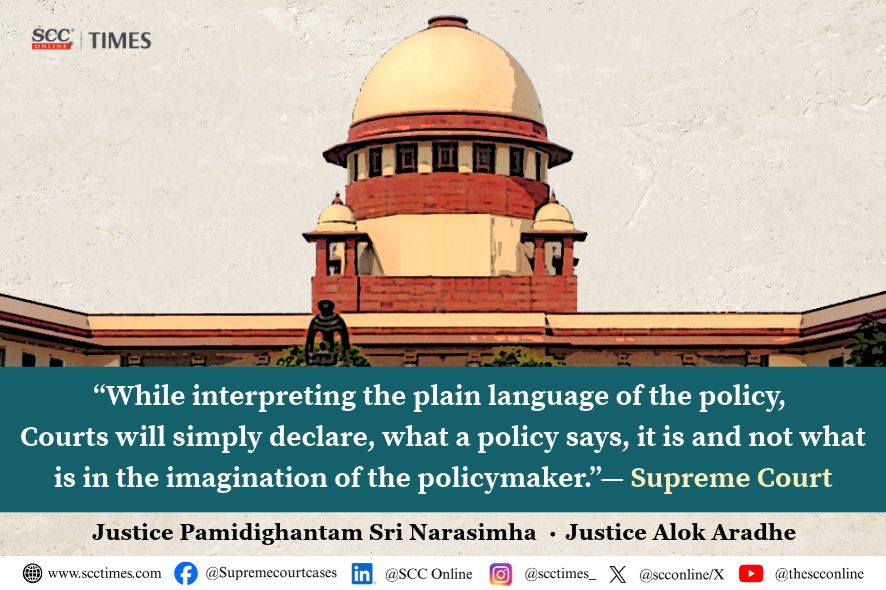
- The ruling emphasized that a policy's meaning must be derived from its explicit text, not from the unarticulated intentions of its creators.
What Happened
The Court firmly stated that a policy's meaning is derived from its explicit text, not from the unarticulated intentions of its creators.
The Supreme Court of India recently affirmed the entitlement of an Army veteran to a war injury pension, a decision stemming from a case involving rheumatoid arthritis that manifested during his service. The veteran's condition developed while he was deployed in Kargil, participating in Operation Rakshak, a critical military engagement. This ruling ensures that the veteran will receive the pensionary benefits he sought, marking a significant outcome for his long-standing claim.
Beyond upholding the individual's pension, the apex court issued a crucial directive to the government. It mandated that the government must explicitly clarify the applicability of pensionary benefits whenever it issues notifications for operations falling under Category E(i) of the Policy dated 31 January 2001. This instruction aims to prevent future ambiguities regarding the eligibility of military personnel for such vital support.
Legal Context
At the heart of the Supreme Court's decision was the interpretation of the Policy dated 31 January 2001, specifically concerning operations designated under Category E(i). The Court meticulously examined the language of the policy to determine whether the veteran's rheumatoid arthritis, developed during his service in Operation Rakshak, qualified him for a war injury pension. This case provided an opportunity for the Court to reinforce a fundamental principle of legal interpretation: the "policy plain meaning rule."
The Supreme Court underscored that the meaning of any policy must be derived directly from its written text, rather than from any unstated or imagined intentions of the policymakers. The Court firmly stated that a policy's meaning is derived from its explicit text, not from the unarticulated intentions of its creators. This strict adherence to the literal wording of the policy was central to its decision to grant the Kargil veteran pension for his condition.
Why It Matters
This Supreme Court war injury pension ruling holds substantial implications for both military personnel seeking benefits and government agencies responsible for drafting and implementing such policies. For Army veteran disability pension India claims, the judgment sets a clear precedent that the explicit terms of a policy will govern, offering a measure of certainty to those who have served. It reinforces the idea that benefits for conditions like the Kargil veteran pension rheumatoid arthritis case should be determined by what is clearly stated in official documents.
Furthermore, the directive for the government to clarify pension applicability for operations under Category E(i) of the Policy dated 31 January 2001 interpretation is critical. It mandates greater transparency and precision in future policy notifications, ensuring that military personnel understand their entitlements without ambiguity. This ruling serves as a powerful reminder to policymakers about the necessity of clear, unambiguous language in official documents, particularly when dealing with the welfare of those who have served the nation.
Practical Implications
Lawyers advising military personnel or government agencies on pension claims should note the Supreme Court's strict interpretation of policy language, emphasizing that policy text, not unstated intent, governs. This ruling reinforces the importance of clear policy drafting and adherence to the plain meaning of statutory or policy text, particularly concerning benefits for operations under specific categories like E(i) of the 2001 Policy.
Source
How does this affect you?
Get an AI analysis of this article grounded in your jurisdictions, practice areas, and any policy documents you've uploaded to Wansom.
Finish Reading the Full Story and the Expert Analysis.
Wansom is AI and can make mistakes.