
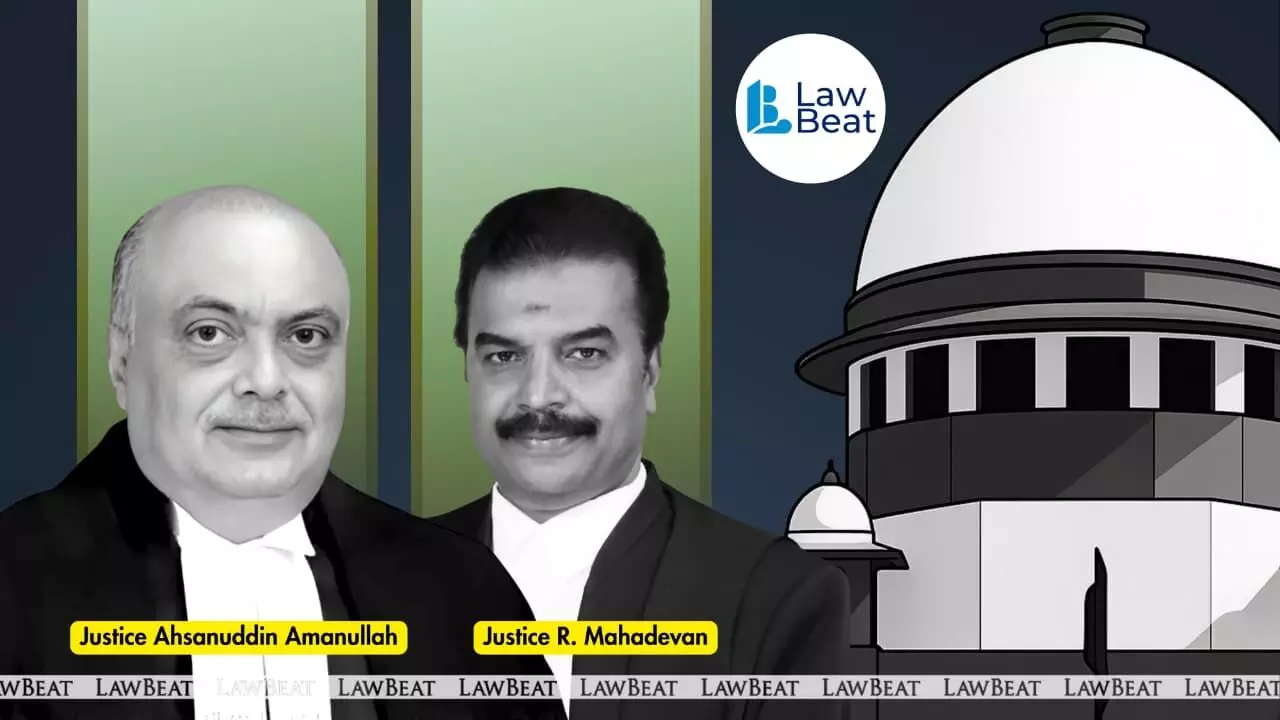
SC Orders Insurance for Counter-Sold Railway Tickets
Summary
- The Supreme Court has mandated the provision of optional insurance for all railway tickets sold over the counter, effective October 27, 2026.
- The Court expressed severe disappointment with the Ministry of Railways for failing to implement critical safety measures, including track fencing, despite budgetary provisions.
- Justices Ahsanuddin Amanullah and R Mahadevan highlighted that assurances from the Railways regarding safety improvements have largely remained unfulfilled.
- The Railway Board's Chairman and members were initially ordered to appear personally before the Court on November 16, 2026, a directive later held in abeyance pending a detailed compliance affidavit.
- The Court warned that continued lack of substantial improvement in safety measures could lead to reconsideration of the current Railway Board's ability to remain in office.
Court's Stern Directives on Railway Safety
The Court warned that should there be no substantial improvement on the ground by the next hearing, it would consider whether the Railway Board, in its current composition, should be permitted to continue in office.
The Supreme Court of India has issued stringent directives to the Ministry of Railways, expressing profound disappointment over persistent failures in implementing crucial safety measures despite adequate financial provisions. A bench comprising Justices Ahsanuddin Amanullah and R Mahadevan highlighted that previous assurances from the Railways regarding necessary steps had largely remained unfulfilled, existing primarily "on paper." This judicial scrutiny comes amidst concerns over the safety of the general public utilizing the extensive railway network.
The Court specifically pointed to two critical areas of neglect: the failure to meet established targets for fencing railway tracks and the lack of insurance coverage for passengers who purchase tickets directly from railway reservation counters. The justices conveyed their "utter" disappointment with the conduct of Railway officials, emphasizing that even budgetary allocations intended for targeted safety initiatives and preventing accidents had not been fully utilized. This indicates a significant gap between policy and practical execution, prompting the Court's firm stance.
Mandatory Insurance for Counter-Sold Tickets
A key aspect of the Supreme Court's recent order mandates the provision of optional insurance for all railway tickets purchased over the counter, aligning this with existing provisions for online ticket buyers. The Court noted that while passengers booking tickets digitally have the option to secure insurance for a nominal fee, those from economically weaker sections, who frequently rely on physical reservation counters, currently lack similar protection. This disparity in coverage has been a long-standing concern.
The bench observed that despite having granted ample time for authorities to establish a mechanism to extend this benefit to all passengers, no tangible progress had been made. Consequently, the Court has now directed that all tickets sold at railway reservation counters must offer optional insurance coverage, mirroring the system for online purchases. This directive is set to become effective from October 27, 2026, and the Court explicitly warned that any failure to implement this SC orders insurance counter-sold railway tickets would render the Railway Board directly responsible. This Indian Railways ticket insurance mandate, ensuring comprehensive Counter ticket insurance India, aims to ensure equitable safety provisions for all passengers.
Unmet Track Fencing Targets and Safety Failures
The Supreme Court also voiced serious concerns regarding the consistent shortfall in achieving targets for fencing railway tracks, a measure deemed a fundamental safety requirement. The justices highlighted that there has been an annual deficit of "almost one-third" in meeting these crucial targets, despite the allocation of specific budgetary provisions for these basic safety requirements. The fact that these funds have remained largely unutilized or ineffectively deployed underscores a significant lapse in railway passenger safety failures.
The Court initially ordered the personal appearance of the Chairman and members of the Railway Board on November 16, 2026, to account for these persistent failures. This directive, part of broader Supreme Court railway safety directives, was a strong signal of the Court's frustration with the lack of progress on the ground. The justices emphasized that the issue was particularly alarming given the availability of funds for these essential safety upgrades, yet the Railway Board track fencing compliance remained critically low.
Accountability and Potential Repercussions for Railway Board
Following the initial order for personal appearance, Additional Solicitor General (ASG) Vikramjit Banerjee requested a final opportunity to submit a comprehensive compliance affidavit, leading the Court to temporarily hold the personal appearance directive in abeyance. The ASG assured the Court that the Railways would provide a detailed affidavit outlining the actual work completed over the past year, explaining the reasons for failing to achieve prescribed targets—especially concerning track fencing—and detailing proposed steps to ensure future compliance.
The Court stipulated that this affidavit must specifically address the shortfall in track fencing, reiterating its importance as a basic safety measure. Furthermore, the bench issued a stern warning: should there be no substantial improvement on the ground by the next hearing, it would consider whether the Railway Board, in its current composition, should be permitted to continue in office. This underscores the high level of judicial scrutiny and the potential for significant administrative consequences if the Railway Board fails to demonstrate tangible progress on these critical railway passenger safety failures. The Justices Amanullah Mahadevan railway order clearly indicates a zero-tolerance approach to continued non-compliance.
Practical Implications
Lawyers advising the Indian Railways or related entities must immediately assess and plan for the mandatory implementation of insurance for counter-sold tickets by October 27, 2026. Furthermore, they should prepare for potential legal repercussions, including personal appearances of Railway Board members, if track fencing and other safety targets are not demonstrably met, as the Supreme Court has expressed severe displeasure and warned of further action.
Source
How does this affect you?
Get an AI analysis of this article grounded in your jurisdictions, practice areas, and any policy documents you've uploaded to Wansom.
Wansom is AI and can make mistakes.