
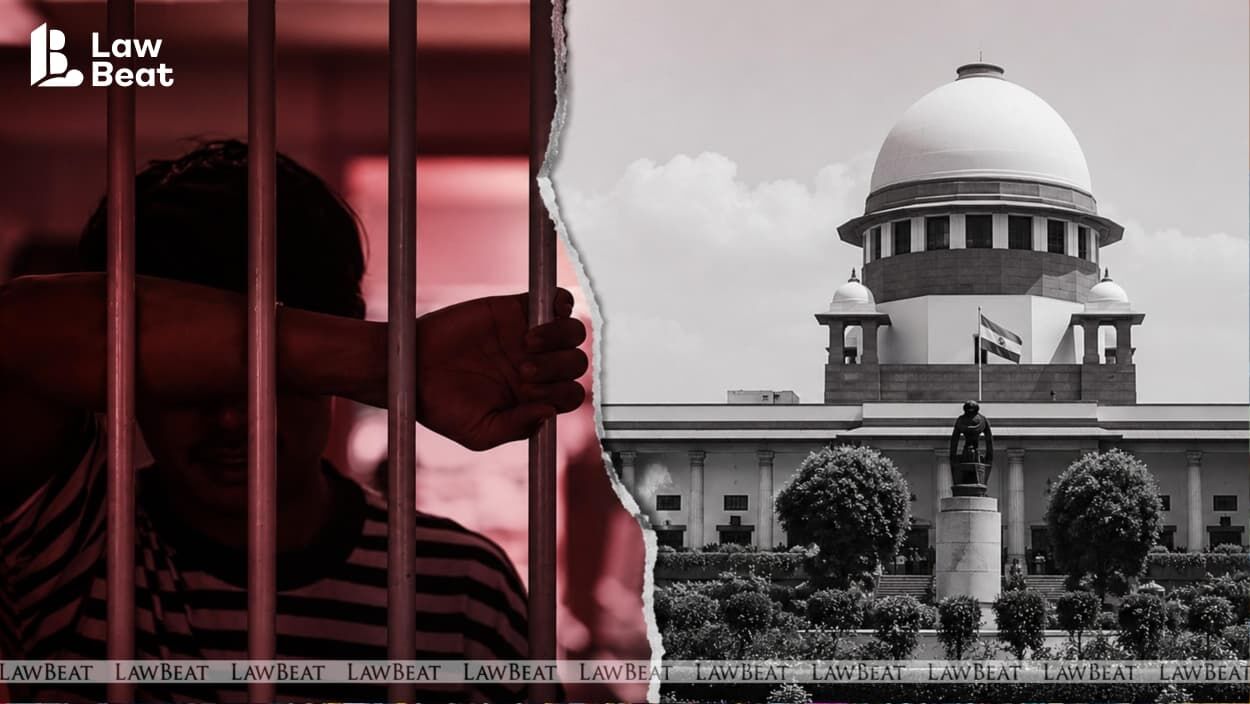
SC Orders CBI: Chhattisgarh Custodial Death 2024 Probe
Summary
- The Supreme Court ordered a CBI probe into the 2024 custodial death of Shravan Suryavanshi in Chhattisgarh.
- The Court found a "deliberate cover-up" by state authorities regarding the circumstances of his death.
- The Chhattisgarh Government was directed to pay Rs 25 lakh interim compensation to the deceased's wife and children.
- The CBI is mandated to investigate not only the death but also the conduct of senior state officials who failed to act on a judicial inquiry report.
- Suryavanshi died in custody from head injuries after being arrested for possessing illicit liquor.
The Incident and Initial Findings
The Supreme Court, comprising Justices Vikram Nath and Sandeep Mehta, unequivocally condemned the state authorities' actions, characterizing them as a “deliberate cover-up” of the circumstances surrounding Shravan Suryavanshi's custodial death.
Shravan Suryavanshi, also known as Sarvan Tamre, was taken into custody on January 18, 2024, following an FIR lodged at Police Station Seepat in Bilaspur. He faced charges under Section 34(2) of the Chhattisgarh Excise Act for allegedly possessing six litres of raw Mahua liquor, valued at Rs 1,200, contained in three bottles. After his arrest, Suryavanshi was incarcerated at Central Jail, Bilaspur.
His health deteriorated significantly, leading to his referral to CIMS Hospital, Bilaspur, on January 21, 2024. Tragically, he passed away the following morning, January 22, 2024, around 6 am, while receiving medical treatment. A subsequent post-mortem examination determined the cause of death as cardio-respiratory arrest, stemming from complications related to a head injury. This injury, inflicted by a hard and blunt object, was confirmed to be antemortem, meaning it occurred before his death. A judicial inquiry report, submitted on July 22, 2024, corroborated these findings, indicating that his death appeared to be a direct consequence of the head injuries and that he had indeed suffered custodial violence.
Judicial Scrutiny and State's Response
The case eventually reached the Supreme Court after the deceased's wife, Lahra Bai Tamare, and other petitioners challenged a judgment issued by the Chhattisgarh High Court on October 3, 2024. The High Court had acknowledged that Shravan Suryavanshi had been subjected to custodial violence, which resulted in his death, but it only sanctioned a compensation of Rs 1 lakh, significantly less than the Rs 50 lakh demanded by the family. Crucially, the High Court's ruling failed to issue any directives for action against the police officers involved.
During its hearing, the Supreme Court demanded the virtual presence of key Chhattisgarh state officials, including the Director General of Police (DGP), the Director General (Prisons), and the Principal Secretary (Home). The DGP informed the Court that no criminal case had been registered because the police had not received the judicial inquiry report under Section 176 of the Code of Criminal Procedure (CrPC), which corresponds to Section 196 of the Bharatiya Nagarik Suraksha Sanhita (BNSS). According to the DGP, this lack of formal receipt meant there was no basis to initiate an investigation into the custodial death. The Director General (Prisons) offered an explanation for the failure to transmit the judicial inquiry report to the police for necessary follow-up, while the Principal Secretary (Home) was also implicated in the state's response.
Supreme Court's Stern Directives
The Supreme Court, comprising Justices Vikram Nath and Sandeep Mehta, unequivocally condemned the state authorities' actions, characterizing them as a “deliberate cover-up” of the circumstances surrounding Shravan Suryavanshi's custodial death. The bench found that the state had “conveniently and deliberately” attempted to conceal the truth. The Court expressed profound dismay at the “blissful ignorance” displayed by senior state officials, including the Principal Secretary (Home), the Director General of Police, and the Director General (Prisons), deeming their stance “sacrilegious” and reflective of a “disturbing disregard” for the statutory procedures governing custodial deaths.
In a decisive move, the apex court transferred the investigation of the SC orders CBI Chhattisgarh custodial death 2024 to the Central Bureau of Investigation (CBI). The CBI chief was specifically instructed to assign a senior officer to ensure an expeditious and thorough probe. Furthermore, the Supreme Court directed the Chhattisgarh Government to pay an interim compensation of Rs 25 lakh to Suryavanshi's wife and children, a significant increase from the High Court's earlier award. The CBI probe Chhattisgarh state officials was also explicitly mandated to examine the conduct of these concerned state officials for their failure to act upon the judicial inquiry report, with these findings to be integrated into the broader investigation.
Broader Implications and Accountability
This landmark ruling by the Supreme Court sends a powerful message regarding accountability in cases of custodial violence and alleged state cover-ups. The directive for a CBI probe into the Shravan Suryavanshi custodial death, coupled with the substantial Supreme Court custodial death compensation, establishes a strong precedent. It underscores the judiciary's commitment to ensuring justice and holding state functionaries responsible, particularly when there is evidence of a Chhattisgarh custodial violence cover-up.
For legal practitioners representing victims of custodial violence, this decision demonstrates the Supreme Court's willingness to intervene decisively, order independent investigations, and mandate significant financial redress. It also serves as a critical warning to government officials across all levels regarding the severe consequences of statutory non-compliance in investigations of custodial deaths. The Court's insistence on examining the conduct of senior officials who neglected their duties under Section 196 BNSS highlights the imperative for strict adherence to legal protocols and transparency in such sensitive matters.
Practical Implications
This ruling sets a strong precedent for lawyers representing victims of custodial violence, demonstrating the Supreme Court's willingness to order CBI probes and significant compensation in cases of state cover-ups. It also serves as a critical warning for government officials regarding accountability for statutory non-compliance in custodial death investigations.
Source
How does this affect you?
Get an AI analysis of this article grounded in your jurisdictions, practice areas, and any policy documents you've uploaded to Wansom.
Finish Reading the Full Story and the Expert Analysis.
Wansom is AI and can make mistakes.