
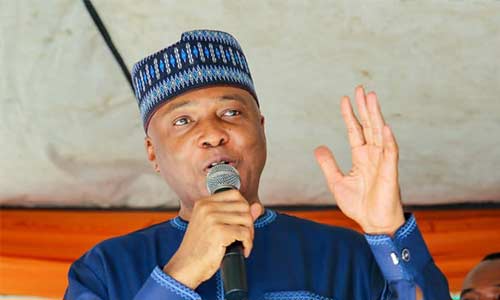
Saraki: Pre-Action Notice to Abdulrazaq for Defamation Suit
Summary
- Former Senate President Bukola Saraki is threatening a defamation lawsuit against Kwara State Governor Abdulrahman Abdulrazaq.
- The threat follows Governor Abdulrazaq's allegations linking Saraki to the 2018 Offa bank robbery and the arming of involved youths.
- Saraki has directed his lawyers to serve a pre-action notice to the governor, a mandatory step before formal litigation in Nigeria.
- The case could test the application of constitutional immunity for public officials in defamation claims.
- This high-profile dispute highlights the procedural steps for initiating defamation suits in Nigeria and the potential for legal challenges to political allegations.
Threat of Defamation Suit
The issuance of a pre-action notice is a critical procedural step in Nigerian defamation law, particularly when dealing with high-profile individuals and public officials.
Former Senate President Bukola Saraki has initiated steps towards a potential defamation lawsuit against Kwara State Governor Abdulrahman Abdulrazaq. The legal action stems from recent allegations made by Governor Abdulrazaq, which reportedly link Saraki to the 2018 Offa bank robbery incident and further accuse him of providing weapons to youths involved in the criminal act.
Saraki's legal team has been instructed to serve a pre-action notice on Governor Abdulrazaq. This formal communication serves as a prerequisite in Nigerian legal procedure, signaling the intent to commence litigation after Governor Abdulrazaq's tenure ends on May 29, 2027, due to his constitutional immunity, if the matter is not resolved amicably or if the alleged defamatory statements are not retracted or addressed appropriately within a specified timeframe. The move underscores the seriousness with which Saraki views the accusations, which he contends are damaging to his reputation.
Legal and Procedural Context
The issuance of a pre-action notice is a critical procedural step in Nigerian defamation law, particularly when dealing with high-profile individuals and public officials. It provides an opportunity for the accused party to respond, retract the statements, or offer an apology before formal court proceedings begin, potentially saving both parties significant legal costs and time. This case highlights the structured approach required for such claims in the Nigerian judicial system.
Defamation suits involving public officials, such as a former Senate President and a sitting Governor, often navigate complex legal terrain. One significant aspect that may arise is the question of constitutional immunity, which typically protects certain officeholders from civil or criminal proceedings while in office. However, the scope and applicability of such immunity in defamation cases, especially concerning statements made outside official duties or those perceived as malicious, can be a contentious point of legal interpretation. Lawyers monitoring this case will be keen to observe how these aspects are addressed should the matter proceed to court.
Implications for Public Discourse
This development carries significant implications for political discourse and accountability in Nigeria. Allegations linking a prominent political figure like Bukola Saraki to a serious crime such as the Offa bank robbery, coupled with accusations of arming youths, are profoundly damaging and can significantly impact public perception and political standing. The decision to pursue a defamation suit indicates Saraki's intent to clear his name through legal channels and challenge the veracity of Governor Abdulrazaq's claims.
The progression of this case will be closely watched, not only by the involved parties and their supporters but also by legal practitioners and the public. It could set precedents regarding the boundaries of political speech, the responsibilities of public officials in making serious allegations, and the effectiveness of defamation law in safeguarding reputations against unsubstantiated claims. The outcome may also influence how future disputes between high-ranking political figures are handled, particularly when allegations of criminal conduct are involved.
Practical Implications
This development highlights the procedural steps for initiating defamation suits in Nigeria, particularly the issuance of a pre-action notice, and raises questions about the scope of constitutional immunity for public officials in such contexts. Lawyers should monitor the progression of this case for precedents regarding high-profile defamation claims and the application of immunity.
Source
How does this affect you?
Get an AI analysis of this article grounded in your jurisdictions, practice areas, and any policy documents you've uploaded to Wansom.
Finish Reading the Full Story and the Expert Analysis.
Get the latest legal & regulatory intelligence in Nigeria
Wansom is AI and can make mistakes.