
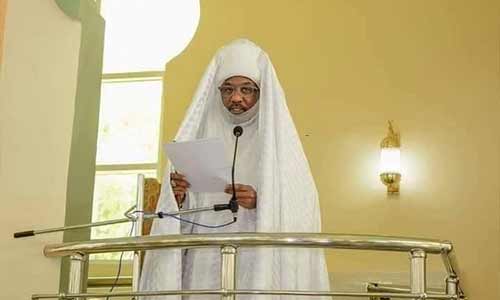
Sanusi Questions El-Rufai Detention Nigeria: Political Motive?
Summary
- Muhammadu Sanusi II, the Emir of Kano, has publicly questioned the continued detention of former Kaduna State Governor Nasir El-Rufai.
- Sanusi asked whether El-Rufai's detention is a genuine anti-corruption effort or a political battle.
- He observed that the handling of corruption cases in Nigeria can appear to depend on a suspect’s political support.
- This intervention highlights concerns about the impartiality of Nigeria's justice system in high-profile cases.
- The remarks by a prominent figure like Sanusi draw attention to potential political motivations behind legal actions against former officials.
What Happened: Sanusi's Public Inquiry
His direct challenge to the perceived rationale behind El-Rufai's detention highlights a prevailing sentiment among some observers that such cases often carry underlying political dimensions, rather than being solely driven by the pursuit of justice for alleged infractions.
The Emir of Kano, Muhammadu Sanusi II, has publicly raised significant questions regarding the ongoing detention of Nasir El-Rufai, the former governor of Kaduna State. Sanusi's intervention centers on a critical distinction: whether El-Rufai's continued confinement represents a legitimate effort to combat corruption or is instead indicative of a political power struggle. This public questioning by a figure of Sanusi's stature brings heightened scrutiny to the legal proceedings involving the former Kaduna State governor, drawing national attention to the circumstances surrounding the "Sanusi questions El-Rufai detention Nigeria" narrative.
The former Central Bank Governor's remarks underscore a broader concern about the motivations behind high-profile legal actions in the country. His direct challenge to the perceived rationale behind El-Rufai's detention highlights a prevailing sentiment among some observers that such cases often carry underlying political dimensions, rather than being solely driven by the pursuit of justice for alleged infractions.
Perceptions of Justice in Nigeria
Expanding on his concerns, Sanusi articulated a widely held perception that the resolution of corruption cases within Nigeria can appear to be contingent upon the political backing enjoyed by the accused individual. This observation suggests that the trajectory of legal actions, particularly those involving high-profile figures, might be influenced by factors beyond pure legal merit, potentially undermining public confidence in the impartiality of the justice system and the fairness of "Nigeria corruption case handling."
Such a viewpoint from a respected traditional and religious leader like Sanusi underscores persistent anxieties about fairness and equity in the application of anti-corruption laws. His statement implies that the presence or absence of "Muhammadu Sanusi II political influence" or similar high-level support could disproportionately affect the outcomes for individuals facing "Nasir El-Rufai corruption charges" or similar accusations, fostering an environment where justice is perceived as selective.
The El-Rufai Case: Political or Legal?
The specific circumstances surrounding the "Nasir El-Rufai corruption charges" and his "Kaduna State governor legal issues" serve as a focal point for these broader concerns. Sanusi's direct challenge invites a deeper examination into whether the former governor's detention is a consequence of genuine legal infractions or if it aligns with claims of "El-Rufai alleged political persecution." This dichotomy between a principled fight against graft and politically motivated targeting is a recurring theme in Nigeria's legal landscape, prompting questions about due process and the motivations behind high-profile arrests and detentions.
For legal professionals and compliance officers, this situation highlights the critical importance of understanding the public perception of political interference in high-profile corruption cases in Nigeria. Such perceptions could significantly impact legal strategies, client advice, and risk assessments for individuals and entities operating within the jurisdiction. It underscores the need for vigilance regarding due process and a careful evaluation of potential political motivations behind legal actions, as these factors can influence the practical realities of navigating the Nigerian legal system.
Broader Implications for Governance and Rule of Law
The public statements from influential figures like Muhammadu Sanusi II regarding the "Sanusi questions El-Rufai detention Nigeria" saga carry significant weight, shaping public discourse and perceptions of justice. When a prominent voice suggests that legal outcomes might hinge on political support rather than evidence, it can erode trust in governmental institutions and the judiciary, potentially fostering cynicism about the efficacy and fairness of "Nigeria corruption case handling."
This situation underscores the critical importance of transparent and impartial handling of all legal cases, especially those involving former public officials, to uphold the integrity of the rule of law and ensure accountability without bias. The perception of selective justice, as highlighted by Sanusi, can have long-term consequences for national stability and investor confidence, making the adherence to due process and the avoidance of political interference paramount in all legal proceedings.
Practical Implications
Lawyers and compliance officers should note the public perception of political interference in high-profile corruption cases in Nigeria, which could impact legal strategies, client advice, and risk assessments for individuals and entities operating in the jurisdiction. This highlights the need for vigilance regarding due process and potential political motivations behind legal actions.
Source
How does this affect you?
Get an AI analysis of this article grounded in your jurisdictions, practice areas, and any policy documents you've uploaded to Wansom.
Finish Reading the Full Story and the Expert Analysis.
Get the latest legal & regulatory intelligence in Nigeria
Wansom is AI and can make mistakes.