
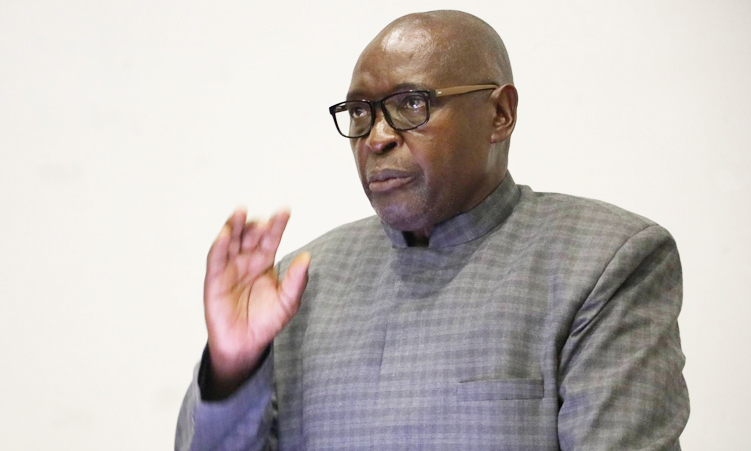
Namibia APP: Questions Sankwasa Bwabwata Customary Status Consultations
Summary
- The All People’s Party (APP) has criticized Namibia’s Minister of Urban and Rural Development, James Sankwasa.
- Minister Sankwasa summoned Hambukushu and Khwe traditional leaders to Rundu for consultations.
- The consultations concern the customary status of Bwabwata National Park.
- The APP questioned why the Minister did not travel to the traditional leaders instead of summoning them.
- The discussions impact traditional land rights and the legal status of Bwabwata National Park.
Recent Consultations Spark Criticism
Lawyers advising clients with interests in Namibia's Bwabwata National Park or on traditional land rights should closely monitor these consultations.
The All People’s Party (APP) has publicly voiced its disapproval regarding recent actions taken by James Sankwasa, Namibia’s Minister of Urban and Rural Development. The criticism centers on the Minister's decision to summon traditional leaders to Rundu for discussions concerning the customary status of Bwabwata National Park. This move has drawn scrutiny from the APP, which questioned the rationale behind requiring the leaders to travel to Rundu rather than the Minister initiating consultations within the communities themselves.
The consultations, initiated by Minister Sankwasa, involved key figures from the region's traditional authorities. Specifically, Fumu Munika, who leads the Hambukushu Traditional Authority, and Thaddeus Chedau, the traditional leader of the Khwe (Kxoe) community, were among those called to Rundu. The core of the APP's concern lies in the perceived inconvenience and potential disrespect of requiring these Hambukushu Khwe traditional leaders to travel for discussions on matters deeply affecting their ancestral lands and communities within the Bwabwata National Park area.
Navigating Customary Land Rights in Namibia
The ongoing discussions about the Sankwasa Bwabwata customary status Namibia underscore the complex interplay between modern governance and traditional land tenure systems in the country. In Namibia, customary status often refers to the recognition of long-standing traditional rights, practices, and governance structures within specific geographical areas, even those designated as national parks. These rights typically encompass access to resources, land use, and the exercise of traditional authority, which are crucial for the livelihoods and cultural continuity of indigenous communities.
The Bwabwata National Park legal status is particularly intricate, as it is home to several traditional communities, including the Hambukushu and Khwe. Any alteration or clarification of the park's customary status directly impacts Namibia customary land rights Bwabwata, affecting how these communities interact with the land, manage resources, and maintain their cultural heritage. The method and location of these James Sankwasa Bwabwata consultations are therefore not merely logistical issues but touch upon fundamental principles of engagement with traditional authorities and the recognition of their inherent rights.
Implications for Stakeholders and Legal Counsel
The consultations initiated by the Minister of Urban and Rural Development Namibia regarding the Bwabwata National Park’s customary status carry significant implications for various stakeholders. Potential changes or clarifications to this status could redefine land use patterns, resource access protocols, and the overall governance framework within and around the park. This directly affects not only the resident traditional communities but also any commercial entities, conservation organizations, or government bodies operating in the area.
Lawyers advising clients with interests in Namibia's Bwabwata National Park or on traditional land rights should closely monitor these consultations. The outcome of the discussions on Sankwasa Bwabwata customary status Namibia could lead to new compliance considerations or present opportunities for clients involved in sectors such as tourism, conservation, or resource management. Understanding the evolving Bwabwata National Park legal status and the recognition of Namibia customary land rights Bwabwata will be crucial for navigating the regulatory landscape and ensuring sustainable operations in the region.
Practical Implications
Lawyers advising clients with interests in Namibia's Bwabwata National Park or on traditional land rights should closely monitor these consultations. Potential changes to the park's customary status could impact land use, resource access, and governance, creating new compliance considerations or opportunities for clients operating in or near the park.
Source
How does this affect you?
Get an AI analysis of this article grounded in your jurisdictions, practice areas, and any policy documents you've uploaded to Wansom.
Wansom is AI and can make mistakes.