
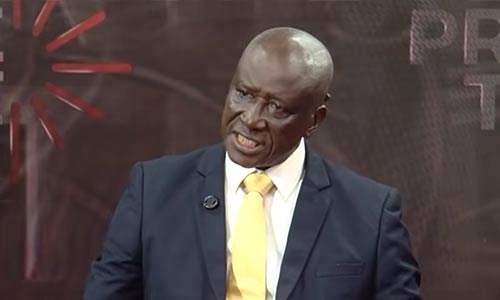
SAN Maduabuchi: INEC Lacks Power to Disqualify Candidates
In Nigeria, on an unspecified date, Senior Advocate of Nigeria, Mr. Oba Maduabuchi, asserted that the Independent National Electoral Commission (INEC) lacks the constitutional or statutory power to disqualify a candidate, stating that the Commission "overshot its limits" by omitting names from its final list of governorship candidates for the 2027 general elections. This pronouncement by a Senior Advocate is a critical reminder of the constitutional limits on administrative bodies, particularly concerning the fundamental right to participate in elections.
This statement holds profound legal significance for electoral law and democratic processes in Nigeria, as it directly challenges the scope of INEC's powers regarding candidate eligibility and firmly reiterates the judiciary's exclusive role in determining disqualification. For legal practitioners, it reinforces the established principle that administrative bodies cannot usurp judicial functions, especially in matters as fundamental as electoral participation. Any attempt by INEC to unilaterally disqualify a candidate, rather than merely screening for administrative compliance, is likely to be met with robust legal challenges.
The legal context for this assertion is deeply embedded in the 1999 Constitution of Nigeria (as amended) and the Electoral Act, which together form the primary legal framework for elections. These laws meticulously define the qualifications and disqualifications for electoral candidates. Nigerian jurisprudence, particularly a consistent line of decisions from the Supreme Court and Court of Appeal, has unequivocally held that the power to disqualify a candidate rests solely with the courts. INEC's role is generally confined to administrative functions, such as receiving nomination forms, verifying submitted documents, and ensuring compliance with procedural requirements, not making substantive judicial determinations of eligibility or disqualification.
Key parties involved in this discussion include Mr. Oba Maduabuchi, SAN, who made the statement; the Independent National Electoral Commission (INEC), whose powers are being critiqued; and the Pantami Movement, identified as a campaign organisation, though its specific involvement in this particular statement is not detailed in the excerpt. The statement pertains to prospective candidates for the 2027 general elections. The excerpt does not report any specific legal action or outcome, but rather a legal opinion on INEC's powers.
Practitioners specializing in electoral law must be acutely aware of this clear demarcation of powers between INEC and the judiciary concerning candidate disqualification. This legal opinion serves as a crucial reminder that any action by INEC to unilaterally disqualify a candidate or omit their name from the ballot on grounds of eligibility, without a prior court order, is likely to be deemed ultra vires and successfully challenged in court. Attorneys advising political parties and candidates should meticulously review eligibility criteria, ensure proper documentation, and be prepared to seek judicial intervention promptly if INEC oversteps its administrative mandate in the run-up to the 2027 elections.
How does this affect you?
Get an AI analysis of this article grounded in your jurisdictions, practice areas, and any policy documents you've uploaded to Wansom.
Finish Reading the Full Story and the Expert Analysis.
Get the latest legal & regulatory intelligence in Nigeria
Wansom is AI and can make mistakes.