
Nigeria: Fraudulent Land Judgment Against Unknown Person Dispossesses Owners
Summary
- A litigant obtained a judgment for a fully developed property with a registered title deed over five decades old.
- The judgment was secured by suing an "unknown person" and using substituted service on the property itself.
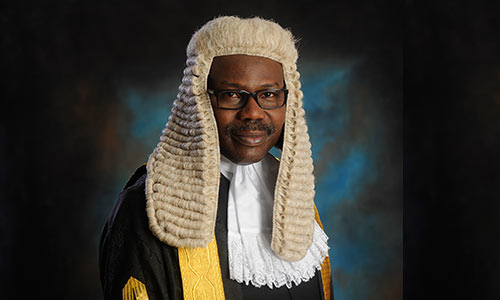
- Senior Advocate of Nigeria, Muiz Banire, expressed shock at this case.
- This method allows land grabbers to exploit legal loopholes, eroding property rights in Nigeria.
- The incident highlights vulnerabilities in the system for registered title deeds and land ownership.
Concerning Legal Maneuver Uncovered
The exploitation of legal procedures, specifically the use of substituted service against an unknown defendant in Nigeria, represents a significant vulnerability within the country's property rights framework.
A recent incident has brought to light a concerning method by which individuals are dispossessed of their land in Nigeria, even when holding valid registered title deeds. Senior Advocate of Nigeria, Muiz Banire, recounted a case where a litigant successfully secured a judgment over a piece of land that was not only fully developed but had been under the ownership of a single entity for more than five decades, evidenced by its registered title. This fraudulent land judgment in Nigeria was obtained by initiating legal proceedings against an "unknown person."
The process involved the litigant's legal counsel obtaining an order for substituted service. This order allowed court documents to be served directly on the property itself, rather than personally to the actual, known owners. This tactic effectively bypassed the legitimate property holders, who remained unaware of the ongoing legal action concerning their long-held asset. The outcome was a court judgment that, despite the property's established ownership and development, transferred rights based on a claim against an unidentified defendant.
Legal Context and Vulnerabilities
The exploitation of legal procedures, specifically the use of substituted service against an unknown defendant in Nigeria, represents a significant vulnerability within the country's property rights framework. This method allows unscrupulous actors, often referred to as land grabbers, to target properties with clear ownership histories and registered titles. By framing the defendant as "unknown," they circumvent the fundamental requirement of notifying the actual parties with an interest in the land, thereby undermining due process.
Such cases contribute to the erosion of Nigerian property rights, creating an environment where even decades-old, legally secured land ownership can be challenged and overturned through deceptive means. The fact that a property held under a registered title deed for over five decades could be subject to such a fraudulent judgment highlights systemic weaknesses. This practice raises serious questions about the integrity of the judicial process when it comes to land ownership disputes in Nigeria, particularly concerning the verification of defendants and the appropriateness of substituted service orders.
Why This Matters
The implications of such fraudulent land judgments are profound, extending beyond the immediate loss for the affected property owners. This pattern of obtaining judgments against "unknown persons" through substituted service poses a direct threat to the security of all registered title deeds in Nigeria. It suggests that even the most robust forms of property documentation may not offer sufficient protection against determined land grabbers employing these tactics.
Muiz Banire SAN's astonishment at this particular case underscores the gravity of the situation, indicating that such flagrant abuses of the legal system are alarming even to experienced legal professionals. The prevalence of these methods contributes significantly to the instability in land ownership disputes across Nigeria, making it imperative for legal practitioners and policymakers to address these loopholes to safeguard legitimate property interests and restore confidence in the land registration system.
Practical Implications
Lawyers and compliance officers in Nigeria should be acutely aware of the risk of clients losing property through fraudulent judgments obtained against 'unknown persons' via substituted service. They must advise clients on proactive measures to safeguard registered titles and conduct thorough due diligence to identify and challenge such claims, potentially reviewing past judgments for similar patterns.
Source
How does this affect you?
Get an AI analysis of this article grounded in your jurisdictions, practice areas, and any policy documents you've uploaded to Wansom.
Finish Reading the Full Story and the Expert Analysis.
Get the latest legal & regulatory intelligence in Nigeria
Wansom is AI and can make mistakes.