
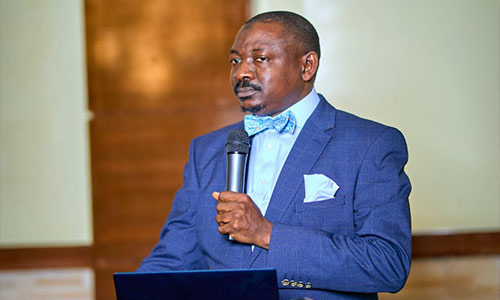
Abdul Mohammed SAN: Nigeria Evidence Disclosure Reform Urged
Summary
- Abdul Mohammed, SAN, has called for stricter enforcement of evidence disclosure rules in Nigeria.
- He emphasized the need for improved investigative practices focused on truth discovery, not just conviction.
- Mohammed advocates for stronger judicial oversight as essential for effective criminal justice administration.
- He stated that a prosecutor's duty is not to secure conviction at all costs.
- These reforms aim to enhance fairness and integrity within Nigeria's legal system.
Call for Justice System Reform
A prominent legal figure in Nigeria, Abdul Mohammed, SAN, FCIArb., has issued a significant call for comprehensive reforms within the nation's criminal justice system.
A prominent legal figure in Nigeria, Abdul Mohammed, SAN, FCIArb., has issued a significant call for comprehensive reforms within the nation's criminal justice system. His advocacy centers on the critical need for stricter enforcement of existing evidence disclosure rules, alongside a demand for substantially improved investigative practices across the board. These measures, he argues, are foundational to ensuring a fair and equitable legal process.
Mohammed, a Senior Advocate of Nigeria, emphasized that these proposed changes are not merely procedural adjustments but are essential components for the effective administration of criminal justice in Nigeria. His recommendations underscore a broader push for integrity and accountability within the legal framework, aiming to elevate standards for both prosecution and investigation.
Central to his argument is the necessity for robust judicial oversight Nigeria, which he views as a vital safeguard. This oversight would ensure that all parties adhere to established legal principles and ethical guidelines, thereby fostering a more just and transparent system for all involved.
The Prosecutor's Ethical Mandate
In his address, Abdul Mohammed, SAN, articulated a fundamental principle regarding the role of a prosecutor, stating unequivocally that their duty is not to secure a conviction at all costs. This assertion highlights a critical distinction between winning a case and upholding justice, suggesting that the pursuit of truth should always take precedence over the mere attainment of a guilty verdict.
This perspective on prosecutor duty Nigeria implies a broader ethical obligation to ensure fairness and due process for all defendants. It challenges any approach that might prioritize a conviction record over the meticulous and unbiased presentation of facts, advocating instead for a system where justice is served through a balanced and impartial examination of all available evidence. Such a stance is crucial for fostering public trust in the legal system and ensuring that the rights of the accused are protected throughout the judicial process.
Enhancing Investigative Integrity
Further elaborating on the necessary reforms, Mohammed also directed his focus towards the investigative arm of the criminal justice system. He firmly stated that investigators must prioritize the discovery of the truth rather than solely concentrating on building a case for conviction. This distinction is pivotal, as it advocates for a shift from a potentially biased, outcome-driven approach to one rooted in objective fact-finding.
This call for improved investigative practices Nigeria suggests that current methods may sometimes lean towards securing convictions rather than uncovering the full scope of events. By emphasizing truth discovery, Mohammed seeks to instill a culture where thoroughness, impartiality, and adherence to ethical guidelines are paramount in every investigation. Such a reorientation is vital for ensuring that the evidence presented in court is reliable and that the investigative process itself contributes to the effective administration of criminal justice.
Judicial Oversight and Accountability
A cornerstone of Abdul Mohammed's proposed reforms is the implementation of stronger judicial oversight Nigeria. He argues that an active and vigilant judiciary is indispensable for maintaining the integrity of the criminal justice system. This oversight would serve as a crucial check on both investigative and prosecutorial actions, ensuring that all proceedings adhere strictly to legal and ethical standards.
Stronger judicial oversight would empower courts to more rigorously scrutinize evidence disclosure Nigeria practices and investigative methodologies, thereby preventing potential abuses or shortcuts that could compromise justice. By holding all parties accountable, the judiciary can play a more proactive role in upholding the principles of fairness and due process, ultimately contributing to a more robust and trustworthy criminal justice reform Nigeria.
Practical Implications
Criminal defense lawyers should monitor discussions around stricter evidence disclosure and investigative practices in Nigeria, as advocacy from prominent SANs like Abdul Mohammed could lead to future reforms or stronger grounds for challenging prosecution evidence. Prosecutors are reminded of their ethical obligations regarding truth discovery and fair disclosure, potentially impacting trial strategies and evidence management.
Source
How does this affect you?
Get an AI analysis of this article grounded in your jurisdictions, practice areas, and any policy documents you've uploaded to Wansom.
Finish Reading the Full Story and the Expert Analysis.
Get the latest legal & regulatory intelligence in Nigeria
Wansom is AI and can make mistakes.