
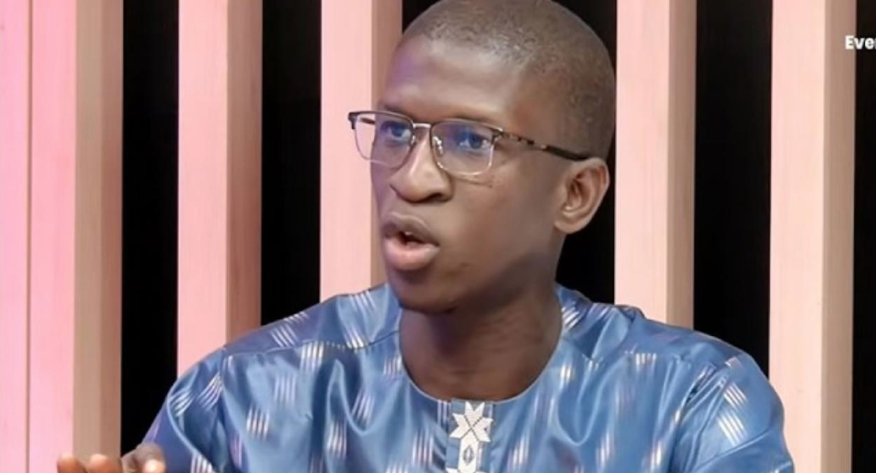
Salihou Dione: Sénégal Budget 2027 Écart Raises Revenue Concerns
Summary
- Deputy Salihou Dione has challenged the consistency of revenue figures in Senegal's proposed 2027 budget, specifically noting a discrepancy of 221.9 billion FCFA versus 311.5 billion FCFA for the Plan de redressement économique et social.
- The overall budget projects 6,012.1 billion FCFA in revenues and 7,363.7 billion FCFA in expenditures, with a target deficit of 4.7% for 2027.
- The Finance and Budget Control Commission rejected the 2027 revenue forecasts, along with budgets for several state institutions and public debt, on November 7.
- The PASTEF parliamentary group announced its refusal to adopt the budget in its current form, citing concerns over budgetary sincerity.
- Commission rejections continued on November 11 for ministerial budgets, including Energy, Mines, and Education, though these are not final Assembly votes.
The Budgetary Contention
The ongoing parliamentary dispute over Senegal's 2027 budget, particularly the significant écart in revenue projections highlighted by Salihou Dione, introduces considerable uncertainty into the nation's fiscal planning.
Salihou Dione, a prominent deputy, has raised significant concerns regarding the consistency of revenue figures within Senegal's proposed 2027 budget. His primary focus is on discrepancies related to the Plan de redressement économique et social (PRES) receipts. The overall budget proposal projects 6,012.1 billion FCFA in revenues against 7,363.7 billion FCFA in expenditures, leading to an anticipated deficit of 4.7%, a notable reduction from the 7.6% recorded in 2026. The executive branch anticipates a 2.8% increase in revenues and a 2.9% decrease in expenditures compared to the adjusted 2026 finance law.
Dione specifically highlighted two conflicting figures for the PRES revenues for 2027. One version indicates 311.5 billion FCFA, comprising 221.9 billion FCFA from fiscal revenues and 91.1 billion FCFA from non-fiscal sources. However, a document provided on November 6 presented only 221.9 billion FCFA for these same revenues. The deputy has formally requested clarification from the government regarding the definitive amount and the specific fiscal measures planned for 2027.
Further questions from Dione pertain to the projected internal resources, which are set at 5,452 billion FCFA, including 5,044 billion FCFA in fiscal revenues. This represents a decrease from the 5,740 billion FCFA recorded the previous year, a reduction for which Dione believes the accompanying documents lack sufficient, detailed, tax-by-tax explanations. He also questioned how forthcoming legal changes, such as those related to the contribution à la solidarité économique, the impôt minimum forfaitaire, stamp duties, and fiscal marking, are integrated into these financial forecasts. Additionally, Dione inquired about the strategy for asset valorization, recalling the government's 2025 initiative with the Islamic Development Bank to establish a dedicated fund, and the Prime Minister's announcement of transferring 1,000 billion FCFA in assets to Fund 6. He also noted expectations of 100 billion FCFA from land regularization and 50 billion FCFA from telephone concessions.
Legislative Gridlock and Rejections
These budgetary discrepancies are fueling an escalating conflict between the Executive and the National Assembly, a tension already evident from the prior rejection of the rectified 2026 finance bill. On October 30, the parliamentary group PASTEF – Les Patriotes declared its refusal to approve the budget proposal in its current form, citing profound disagreements over the sincerity of the budgetary figures.
The legislative opposition intensified on November 7 when the Finance and Budget Control Commission reportedly rejected, by majority vote, the 2027 revenue forecasts. This rejection extended to the proposed budgets for several key state institutions, including the Presidency, the National Assembly itself, the Supreme Court, the Constitutional Council, and the Court of Accounts. Furthermore, public debt provisions were also reportedly turned down by the commission.
The wave of rejections continued on November 11, with the commission voting against the budget proposals for various ministries, notably Energy, Mines, and Education. Elected officials from the Pastef party have articulated a clear position: without validated revenue figures, no expenditure can legitimately be approved. It is important to note, however, that these commission votes do not constitute a final decision by the full Assembly; the overall budget project has not yet been put to a definitive vote by the chamber.
Implications for Fiscal Stability
The ongoing parliamentary dispute over Senegal's 2027 budget, particularly the significant écart in revenue projections highlighted by Salihou Dione, introduces considerable uncertainty into the nation's fiscal planning. The lack of clarity surrounding key figures, such as those for the Plan de redressement économique et social recettes, and the detailed breakdown of internal resource changes, complicates the financial outlook. This situation could lead to delays in the finalization of the budget, potentially impacting government operations and public services.
The series of rejections by the Finance and Budget Control Commission, including the overall revenue forecasts and specific ministerial budgets, underscores a deep legislative instability. This contestation, particularly from the PASTEF group, signals a challenging path forward for the government's fiscal agenda. The insistence by Pastef members that no spending can be voted without validated revenues creates a significant hurdle for budget approval.
For businesses and investors in Senegal, this legislative standoff could translate into unpredictability regarding future tax policies and economic measures. The questions raised about the contribution à la solidarité économique and the impôt minimum forfaitaire, among other fiscal adjustments, suggest that proposed tax laws might undergo revisions or face further delays. The resolution of this budgetary impasse will be critical for establishing a stable and predictable economic environment in the country.
Practical Implications
Lawyers and compliance officers in Senegal should closely monitor the ongoing parliamentary dispute over the 2027 budget, particularly the contested revenue figures and fiscal measures. The rejection of budget proposals in commission signals significant legislative instability, which could lead to delays in budget finalization, changes to proposed tax laws (e.g., solidarity contribution, minimum flat tax), and uncertainty in financial planning for businesses operating in the jurisdiction.
Source
Source: Original reporting via Rewmi.com
How does this affect you?
Get an AI analysis of this article grounded in your jurisdictions, practice areas, and any policy documents you've uploaded to Wansom.
Finish Reading the Full Story and the Expert Analysis.
Get the latest legal & regulatory intelligence in Senegal
Wansom is AI and can make mistakes.