
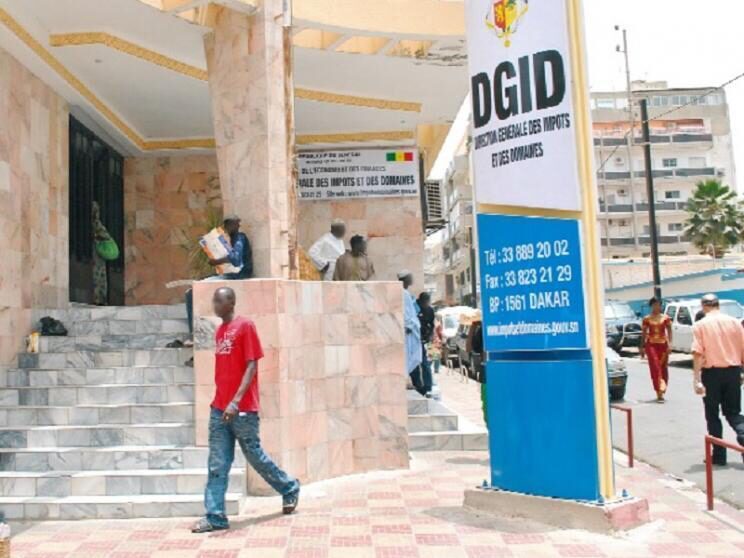
SAID Sénégal: Grève sur Réformes Fiscales, Demande Suspension Immédiate
Summary
- The Syndicat autonome des Agents des Impôts et des Domaines (SAID) has issued a strike notice dated November 25, 2026, demanding the suspension of tax administration reforms.
- The union cites a lack of consideration for agents, deteriorating working conditions, and delays in a career plan project as key grievances.
- The contested reforms are linked to the split of the DGID and the creation of the Direction générale des Domaines, du Cadastre et des Affaires foncières.
- SAID plans renewable total strike days, citing Article 7 of Law n° 61-33 of June 15, 1961, as its legal basis.
- A previous 48-hour strike in June 2023 did not paralyze collection services, with the state collecting 100 billion CFA francs.
What Happened
Lawyers and compliance officers in Senegal should monitor the SAID strike developments closely, as a total strike by tax agents could significantly disrupt tax administration services, potentially affecting tax filing deadlines, audit processes, and general interactions with the tax authorities.
The Syndicat autonome des Agents des Impôts et des Domaines (SAID), representing tax and domain agents in Senegal, has issued a formal strike notice, signaling a potential total cessation of work. This action, detailed in a correspondence dated November 25, 2026, directly challenges ongoing reforms within the Senegalese tax administration. The union is demanding an immediate suspension of these changes and the initiation of negotiations to address their concerns.
The SAID's grievances are multifaceted, stemming from what they describe as a profound lack of consideration for their members and a significant decline in their material working conditions. Furthermore, the union highlights the persistent delay in implementing a crucial career plan project for agents. A central point of contention revolves around the reforms themselves, which the SAID asserts were introduced without adequate consultation, despite their substantial implications for the agents' professional lives and the broader functioning of the tax system. This préavis grève SAID underscores a growing tension between the government's reform agenda and the concerns of its frontline tax personnel.
Context of the Reforms
The reforms at the heart of this dispute are closely linked to a major restructuring within the tax and domain administration, specifically the scission DGID Sénégal. This reorganization involved the division of the Direction Générale des Impôts et des Domaines (DGID) and the subsequent establishment of a new entity, the Direction générale des Domaines, du Cadastre et des Affaires foncières. The SAID views these structural changes as having significant, unaddressed consequences for its members, prompting their call for a halt to the process.
This current wave of réforme administration fiscale Sénégal follows earlier efforts to enhance efficiency. In May 2025, a national reorganization of fiscal services was implemented through an order approved by the Minister of Finance and Budget. This earlier measure involved the strategic redeployment of 132 inspectors of taxes and domains across various services and fiscal centers, with the stated objective of bolstering the overall effectiveness of the tax collection apparatus. However, the present conflict, spearheaded by the Syndicat Agents Impôts Domaines Sénégal, is focused on the specific modalities and perceived negative impacts of the more recent reforms, rather than the general principle of improving service. The union's strike notice, numbered 36 SAID/BEN, explicitly references Article 7 of Law n° 61-33 du 15 juin 1961, as amended, as the legal foundation for their planned industrial action, which could involve renewable total strike days once the statutory period has elapsed.
Potential Impact and Precedent
The prospect of a total and renewable strike by the Syndicat Agents Impôts Domaines Sénégal carries significant implications for public finance and tax administration in Senegal. While a previous 48-hour strike by the union in June 2023 did not result in the paralysis of collection services, with the state reportedly collecting 100 billion CFA francs over those two days, the current situation presents a different challenge. The SAID's current demands are more extensive, calling for a complete suspension of reforms and comprehensive negotiations, suggesting a potentially more entrenched dispute.
The previous strike's limited impact on revenue collection does not necessarily predict the outcome of a future, potentially prolonged total strike. The continuity of public revenues remains a critical concern, and any widespread disruption to tax services could have substantial financial repercussions for the state. Lawyers and compliance officers in Senegal should monitor the SAID strike developments closely, as a total strike by tax agents could significantly disrupt tax administration services, potentially affecting tax filing deadlines, audit processes, and general interactions with the tax authorities. This may necessitate advising clients on potential delays or alternative compliance strategies. The ongoing contestation over SAID grève réformes fiscales Sénégal highlights the delicate balance between implementing administrative modernizations and ensuring the stability of essential government functions.
Practical Implications
Lawyers and compliance officers in Senegal should monitor the SAID strike developments closely, as a total strike by tax agents could significantly disrupt tax administration services, potentially affecting tax filing deadlines, audit processes, and general interactions with the tax authorities. This may necessitate advising clients on potential delays or alternative compliance strategies.
Source
How does this affect you?
Get an AI analysis of this article grounded in your jurisdictions, practice areas, and any policy documents you've uploaded to Wansom.
Finish Reading the Full Story and the Expert Analysis.
Get the latest legal & regulatory intelligence in Senegal
Wansom is AI and can make mistakes.