
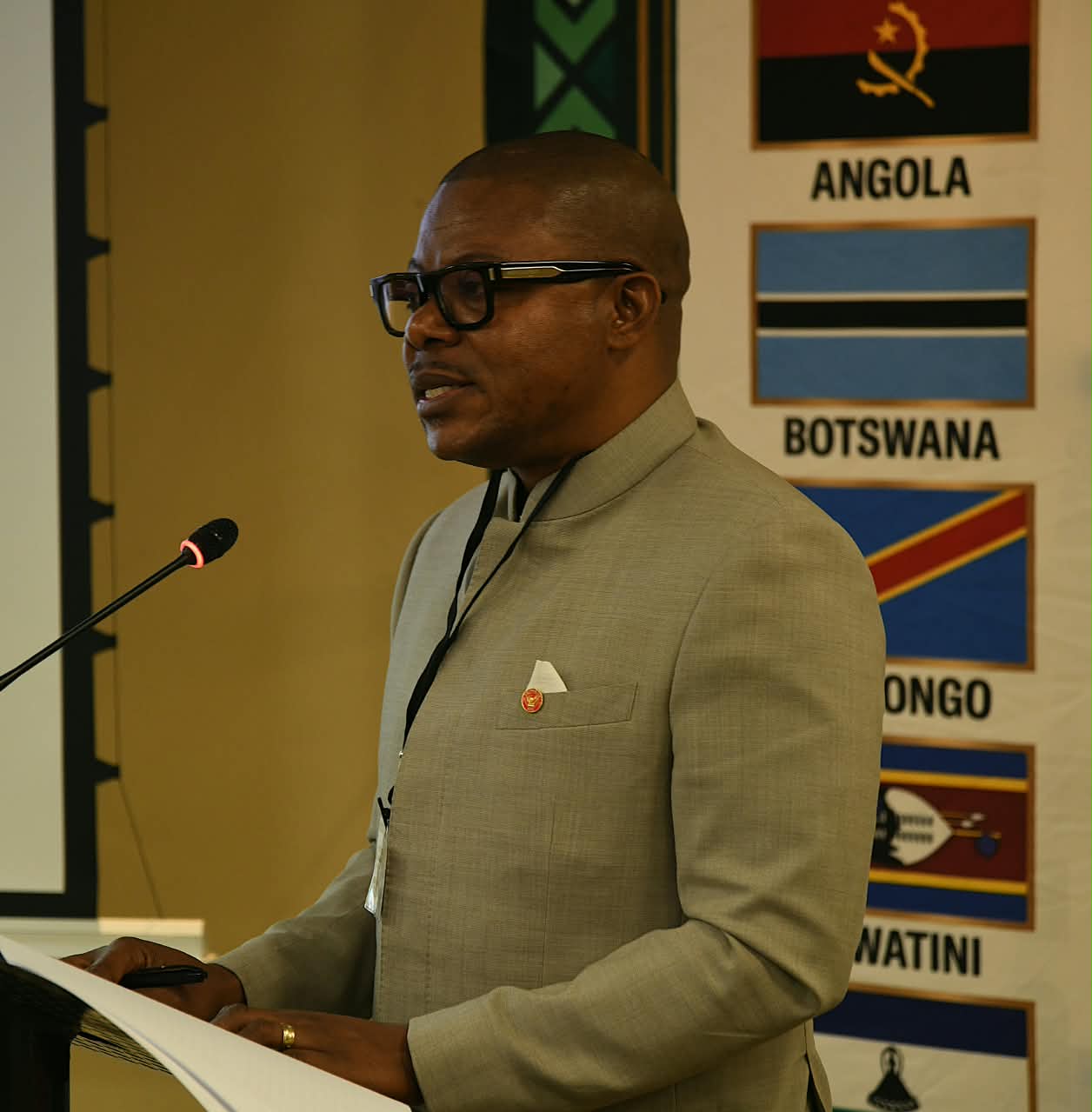
SADC PF: Parliamentarians Urged to Dismantle Youth Legal Barriers
Summary
- SADC PF parliamentarians were urged to dismantle legal and financial barriers harming young people.
- A speaker highlighted visible consequences including shortages of essential commodities in clinics.
- Underfunded school health programmes and cuts to adolescent and reproductive health budget lines were also cited.
- The call emphasizes the need for SADC youth legal reform to improve access to vital services.
- Addressing these issues is crucial for the well-being of young people across the Southern African Development Community. The SADC PF is in the process of transforming into a SADC Parliament.
Call to Action for SADC Parliamentarians
The urgent call specifically targets the dismantling of both legal and financial barriers that are currently detrimental to youth populations.
Parliamentarians within the Southern African Development Community Parliamentary Forum (SADC PF) have received a direct appeal to address significant obstacles impeding the progress and well-being of young people across the region. The urgent call specifically targets the dismantling of both legal and financial barriers that are currently detrimental to youth populations. This advocacy highlights a critical need for legislative and policy interventions to foster a more supportive environment for adolescents and young adults.
An unnamed speaker underscored the tangible negative effects stemming from these persistent barriers. The consequences are not abstract but are visibly impacting essential services and programs designed to support youth. This direct appeal to the SADC PF parliamentarians emphasizes their pivotal role in initiating meaningful SADC youth legal reform and ensuring that regional frameworks actively work to uplift, rather than hinder, young citizens.
The focus on both legal and financial impediments suggests a multi-faceted challenge requiring comprehensive solutions. Legal barriers might encompass outdated statutes, discriminatory regulations, or insufficient protective frameworks, while financial barriers could involve inadequate funding allocations or economic policies that disadvantage youth. Addressing these intertwined issues is crucial for the SADC PF to effectively dismantle youth barriers and promote equitable access to vital resources.
Visible Consequences for Youth Services
The detrimental impact of these legal and financial barriers is clearly observable in several key areas affecting youth services and health infrastructure. Clinics throughout the region are reportedly experiencing critical shortages of essential commodities, directly compromising the quality and availability of healthcare for young people. This scarcity of resources can lead to delayed treatment, limited access to necessary medications, and overall diminished health outcomes for the youth population.
Furthermore, school health programmes, which are vital for promoting wellness and preventive care among students, are suffering from chronic underfunding. This lack of financial support severely curtails their ability to deliver comprehensive health education, screenings, and support services within educational settings. The erosion of these programs leaves a significant gap in the health safety net for adolescents.
Compounding these issues are the significant cuts to budget lines specifically allocated for adolescent and reproductive health initiatives. These reductions directly undermine efforts to provide crucial information, services, and support related to sexual and reproductive health, which are paramount for the healthy development and future prospects of young individuals. Such budgetary decisions exacerbate existing vulnerabilities and pose long-term risks to public health within the SADC region, making the call for SADC PF dismantle youth barriers even more pressing.
Regional Implications and Policy Advocacy
The urging of SADC PF parliamentarians signals a critical juncture for regional policy and legislative development. As a deliberative body, the Southern African Development Community Parliamentary Forum plays a crucial role in harmonizing laws and advocating for policies that benefit member states. The call to address SADC PF youth legal barriers positions youth welfare squarely on the regional legislative agenda, highlighting the need for coordinated action across national borders.
This advocacy is particularly relevant for initiatives focused on adolescent reproductive health SADC, where consistent and well-funded programs are essential. The identified shortcomings in commodity supply, school health funding, and reproductive health budgets underscore the urgent need for robust SADC youth legal reform. Such reforms could involve reviewing existing legislation, drafting new protective laws, and advocating for increased and sustained financial allocations to youth-focused services.
For countries like Zimbabwe, this regional push for policy change could significantly influence domestic youth policy advocacy. By addressing these systemic issues at the SADC PF level, there is potential to inspire and guide national governments in implementing more effective and youth-centric policies, ultimately improving access to essential services and safeguarding the rights of young people throughout the Southern African Development Community. The SADC PF is currently in the process of transforming into a SADC Parliament, with the agreement for this amendment to the SADC Treaty having entered into force on July 11, 2024.
Practical Implications
This article signals potential future legislative or policy reforms within SADC member states aimed at improving youth access to essential services. Lawyers advising NGOs, human rights groups, or businesses in the youth sector should monitor SADC PF discussions for emerging legislative proposals that could impact youth rights and service provision.
Source
Source: Original reporting via Newsday
How does this affect you?
Get an AI analysis of this article grounded in your jurisdictions, practice areas, and any policy documents you've uploaded to Wansom.
Finish Reading the Full Story and the Expert Analysis.
Get the latest legal & regulatory intelligence in Zimbabwe
Wansom is AI and can make mistakes.