
SADC: Leaders Call for Coordinated Regional Migration Strategy Amid SA Challenges
Summary
- The SADC summit addressed major regional issues, including South Africa's immigration challenges and ongoing sanctions on Zimbabwe.
- South African President Cyril Ramaphosa has assumed the new chairperson role, giving Pretoria a leading position in the bloc's agenda.
- The summit called for a coordinated regional strategy on migration to address South Africa's immigration issues.
- SADC reiterated its demand for the lifting of economic sanctions on Zimbabwe.
- Key summit topics also included regional security, economic integration, and critical minerals.
SADC Summit Addresses Key Regional Challenges
The proposed SADC regional migration strategy aims to create a more harmonized and effective approach to managing cross-border movements, addressing both the humanitarian aspects and the socio-economic impacts of migration within the member states.
The Southern African Development Community (SADC) recently concluded a pivotal summit, where leaders convened to tackle a range of pressing issues impacting the region. Among the significant challenges on the agenda were South Africa's complex immigration landscape and the persistent economic sanctions imposed on Zimbabwe, both of which have far-reaching implications for stability and development across Southern Africa.
The summit marked a notable shift in regional leadership dynamics, as South African President Cyril Ramaphosa assumed the role of the new chairperson. This appointment positions Pretoria to play a more prominent and influential role in shaping the bloc's strategic direction and overall agenda for the foreseeable future.
Beyond the specific national concerns, the discussions at the summit encompassed broader themes critical to the region's future. Key topics included enhancing regional security, fostering deeper economic integration among member states, and strategizing around the management and utilization of critical minerals, which are abundant in the SADC region.
Call for Coordinated Regional Migration Strategy
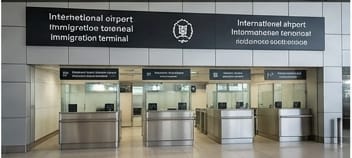
A central outcome of the SADC summit was a definitive call for the development and implementation of a coordinated regional strategy on migration. This directive comes in direct response to the multifaceted immigration challenges currently faced by South Africa, which have become a significant point of discussion and concern within the bloc.
The proposed SADC regional migration strategy aims to create a more harmonized and effective approach to managing cross-border movements, addressing both the humanitarian aspects and the socio-economic impacts of migration within the member states. The emphasis on a unified strategy underscores the understanding that immigration issues are not confined to national borders but require a collective, regional solution.
By advocating for a comprehensive SADC regional migration strategy, the bloc intends to streamline policies, enhance cooperation among member countries, and develop sustainable frameworks that can better manage the flow of people, ensuring both security and the protection of migrants' rights across Southern Africa.
Demand for Lifting Zimbabwe Sanctions Reiterated
Another significant point of consensus at the SADC summit was the strong reiteration of the bloc's long-standing demand for the lifting of economic sanctions on Zimbabwe. This call highlights the regional body's consistent position that these punitive measures have detrimental effects not only on Zimbabwe but also on the broader economic integration efforts within Southern Africa.
SADC leaders emphasized that the continued sanctions impede Zimbabwe's economic recovery and development, which in turn affects regional trade, investment, and stability. The bloc views the removal of these sanctions as crucial for unlocking Zimbabwe's full economic potential and enabling it to contribute more robustly to the collective prosperity of the SADC community.
The unified stance on Zimbabwe's sanctions underscores a commitment to supporting member states facing external economic pressures and reinforces the principle of regional solidarity in addressing challenges that impact the entire bloc's vision for economic growth and stability.
Pretoria's Enhanced Influence on SADC Agenda
With South African President Cyril Ramaphosa now at the helm as chairperson, Pretoria's influence over the SADC agenda is set to significantly increase. This leadership position grants South Africa a leading role in steering the discussions and initiatives related to critical regional issues, from economic integration to security concerns.
This enhanced role means that South Africa will be instrumental in driving the implementation of key resolutions, including the development of the SADC regional migration strategy and the continued advocacy for the lifting of sanctions on Zimbabwe. The country's domestic experiences, particularly with immigration, are likely to inform and shape the regional approach to these challenges.
Pretoria's chairmanship is expected to bring a focused perspective to the bloc's efforts in addressing regional security, fostering economic growth through initiatives like critical minerals management, and ensuring that the SADC's collective voice is heard on the international stage regarding issues vital to Southern Africa's future.
Source
How does this affect you?
Get an AI analysis of this article grounded in your jurisdictions, practice areas, and any policy documents you've uploaded to Wansom.
Wansom is AI and can make mistakes.