
Sénégal UEMOA Directive: Private Copying Remuneration Expanded
Summary
- The Union Economique et Monétaire Ouest-Africaine (UEMOA) has adopted a new directive expanding private copying remuneration to include authors of literary and visual works, as well as journalists.
- The SODAV will manage the collection and redistribution of these rights, with a focus on ensuring that creators are fairly compensated for their work.
- The implementation of this directive is expected to have significant economic implications for the creative industry in West Africa, including increased compensation for creators and a more equitable distribution of rights.
- The UEMOA directive sets an important precedent for protecting intellectual property rights in West Africa and highlights the need for countries in the region to follow suit.
What Happened
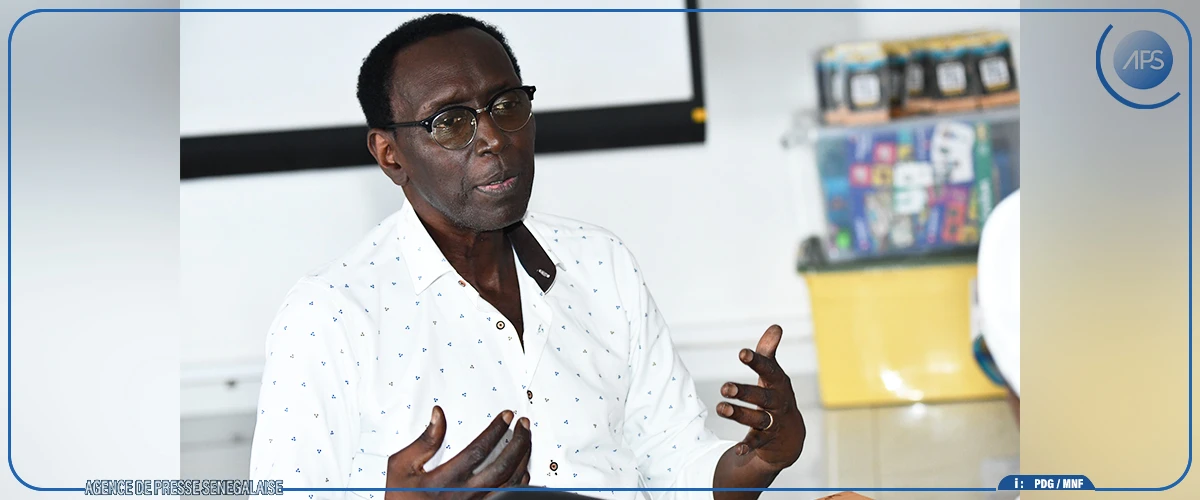
Abdoul Aziz Dieng described this change as 'a radical novelty.'
A significant development in West Africa's copyright landscape has taken place with the adoption of a new directive by the Union Economique et Monétaire Ouest-Africaine (UEMOA). The directive, which came into effect on September 22, 2023, expands the scope of private copying remuneration to include authors of literary and visual works, as well as journalists. This shift is in line with a 2008 Sénégal law on copyright and neighboring rights, which initially only benefited music and audiovisual producers, artists, and interpreters.
Abdoul Aziz Dieng, president of the private copying commission and intellectual property expert, described this change as 'a radical novelty.' He noted that literary and visual works are more frequently copied due to the rise of digital technology. For journalists, he suggested looking at the example set by Burkina Faso, where private copying remuneration has been implemented since its adoption.
The directive introduces a new mechanism for collecting and redistributing these rights, which will be managed by the SODAV (Société de Droit d'Auteur et des Droits Voisins). The organization collected 677 million CFA francs in 2025 and distributed 429 million to rightsholders. With over 13,000 members and nearly 98,000 declared works, this expansion of the system will affect a significant number of creators.
Legal Context
The private copying remuneration directive is rooted in Sénégal's copyright law, which dates back to 2008. This legislation initially only covered music and audiovisual producers, artists, and interpreters. However, the new UEMOA directive broadens the scope of this compensation to include authors of literary and visual works, as well as journalists. The implementation of this directive is expected to have a significant impact on the way creators are compensated for their work.
The SODAV will play a crucial role in managing the collection and redistribution of these rights. In 2025, the organization collected 677 million CFA francs and distributed 429 million to rightsholders. This demonstrates the effectiveness of the system in redistributing rights to those who are entitled to them.
The integration of authors, artists, journalists, and other creators into this system will require a significant adjustment period. However, it is expected that this change will lead to a more equitable distribution of rights and compensation for creators.
Why It Matters
The expansion of private copying remuneration to include authors of literary and visual works, as well as journalists, has significant implications for the creative industry in West Africa. This change is expected to lead to a more equitable distribution of rights and compensation for creators.
The implementation of this directive will also have a major impact on the way content is produced and distributed digitally. With the rise of digital technology, literary and visual works are being copied more frequently than ever before. The private copying remuneration system will provide a mechanism for compensating creators for these copies.
In addition to its economic implications, this change also highlights the importance of protecting intellectual property rights in West Africa. The UEMOA directive sets an important precedent for other countries in the region to follow.
Practical Implications
La mise en œuvre de la directive UEMOA sur la rémunération pour copie privée au Sénégal oblige les journalistes à s'inscrire et payer des droits pour chaque usage de leurs articles, ce qui pourrait entraîner une augmentation des coûts de production et de diffusion de contenu numérique.
Source
Source: Original reporting via APS
How does this affect you?
Get an AI analysis of this article grounded in your jurisdictions, practice areas, and any policy documents you've uploaded to Wansom.
Wansom is AI and can make mistakes.