
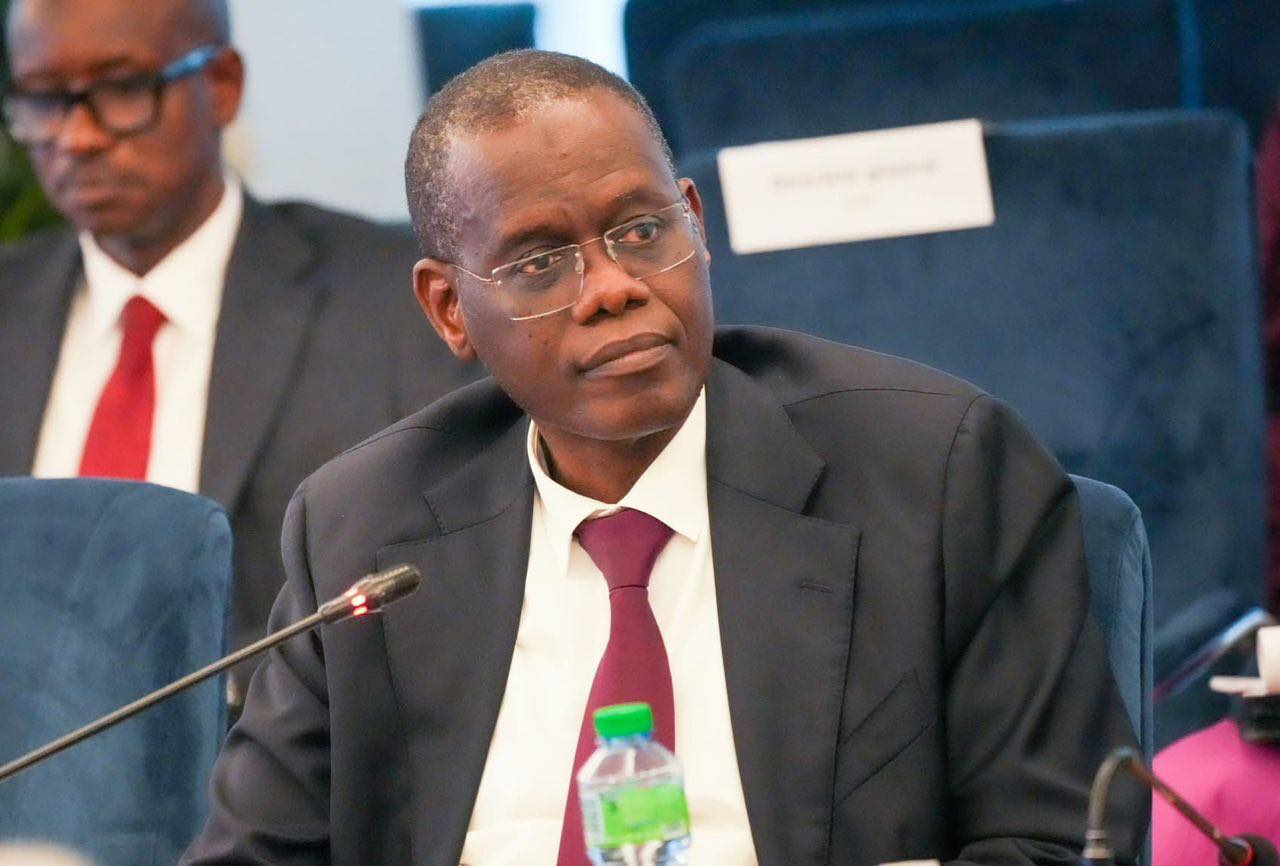
Sénégal PM Lo: Décret Statut Mémorial Joola Drafted, Families Consulted
Summary
- Prime Minister Ahmadou Al Aminou Lo announced a decree to define the official status of the Joola Memorial in Senegal.
- The draft decree, already prepared, is expected to be finalized by year-end with direct involvement from victims' families and survivors.
- Families and survivors are advocating for the refloating of unburied remains to be placed in a reliquary at the Joola Museum-Memorial.
- The Joola disaster, characterized by severe overcrowding and delayed rescue, highlights a collective responsibility when rules are ignored.
- The government is committed to ensuring the memorial remains accessible to families and serves as a space for future generations.
Official Steps Towards Joola Memorial's Future
The Prime Minister emphasized that the tragedy underscores a collective responsibility when established regulations are not followed or critical warnings remain unaddressed.
During a recent commemoration of the Joola shipwreck in Ziguinchor, Prime Minister Ahmadou Al Aminou Lo announced a significant step toward formally establishing the Mémorial Joola. He revealed plans for a decree specifically designed to define the official status of the memorial. This initiative aims to provide a clear legal framework for the site, which holds immense national significance.
The Prime Minister indicated that a draft of this decree has already been prepared by relevant government services and is awaiting his review. He set an ambitious timeline, stating that the definitive status of the Mémorial Le Joola should be addressed before the close of the current year. This commitment, reported by pressafrik, signals a renewed focus on the memorial's future and its role in preserving the memory of the tragic event.
Crucially, Ahmadou Al Aminou Lo underscored the government's intention to involve the families of the victims and the survivors of the disaster directly in the finalization of this important project de décret Mémorial Joola. Their input is considered vital to ensure the memorial truly reflects the experiences and wishes of those most affected by the catastrophe. This collaborative approach seeks to integrate the perspectives of the naufrage Joola familles rescapés into the official framework.
Deepening the Joola Legacy: Families' Demands and Political Debates
Beyond the formalization of the memorial's status, the families of the victims and the survivors have a profound and specific demand: the recovery of the remains of those who perished but have never received a proper burial. They are advocating for these remains to be refloated and respectfully interred within a dedicated reliquary at the Joola Museum-Memorial. This request highlights a deeply personal aspect of the ongoing grief and the desire for closure.
This particular demand is not isolated but forms part of a broader political discourse that has already gained traction within the National Assembly. In a notable development, the government had initially opposed three proposals put forth by Pastef deputies concerning the Joola during a commission hearing. However, these proposals were ultimately adopted before they could be brought to a plenary session for a full vote, indicating a complex interplay of political will and public sentiment surrounding the issue.
Prime Minister Ahmadou Al Aminou Lo, while addressing the broader context, articulated his vision for the memorial as a place that must remain accessible to families. He emphasized its role as a space oriented towards future generations, serving as a poignant reminder and a site for reflection. This perspective aligns with the state's broader commitment to ensuring the memory of the Joola tragedy ensures.
The Joola Tragedy: A Call for Collective Responsibility
The Joola shipwreck, a devastating event in Senegal's history, serves as a stark reminder of the dire consequences when critical warnings are overlooked and established protocols are disregarded. The vessel, designed to accommodate approximately 500 passengers, was carrying a load that significantly exceeded its designated limits. The disaster unfolded around 11 PM, yet the National Navy was not alerted until 7 AM the following morning, with rescue efforts only reaching the site by 6 PM, nearly a full day after the sinking began.
The Prime Minister emphasized that the tragedy underscores a collective responsibility when established regulations are not followed or critical warnings remain unaddressed. This concept of responsabilité collective Joola points to systemic failures rather than individual blame, urging a broader societal introspection. He called upon the relevant ministers to continue their dedicated work on the memorial and the preservation of the shipwreck's memory, collaborating closely with researchers to ensure a comprehensive and accurate historical record.
In a powerful declaration, Ahmadou Al Aminou Lo affirmed that the State could never forget the profound tragedy of the Joola. This commitment reinforces the importance of the Sénégal décret statut Mémorial Joola as a lasting testament to the victims and a permanent reminder of the lessons learned from one of the nation's most somber maritime disasters, particularly during the Ziguinchor commémoration Joola.
Practical Implications
Lawyers and compliance officers in Senegal should monitor the finalization and publication of this decree, as it will establish the official legal framework for the Joola Memorial and may influence future public administration policies regarding national tragedies and victim engagement.
Source
How does this affect you?
Get an AI analysis of this article grounded in your jurisdictions, practice areas, and any policy documents you've uploaded to Wansom.
Finish Reading the Full Story and the Expert Analysis.
Get the latest legal & regulatory intelligence in Senegal
Wansom is AI and can make mistakes.