
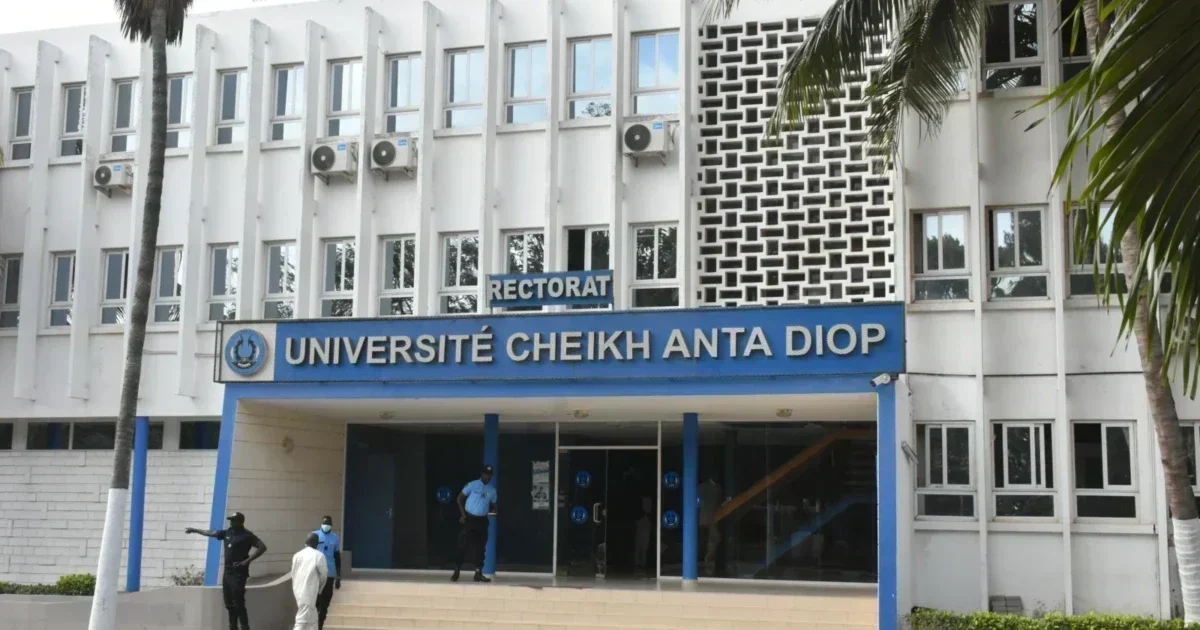
Sénégal: PATS Universités Still Awaiting 100 000 FCFA Indemnité
Summary
- PATS in Senegalese public universities are not receiving a 100,000 FCFA monthly housing allowance, net of taxes.
- This allowance was mandated by Decree n°2026-06, signed by President Bassirou Diomaye Faye on January 7, 2026, to address public service inequalities.
- Syndicates representing university PATS have been protesting since 2025, citing discrimination and accusing the state of delaying tactics.
- A meeting with the Minister of Higher Education on August 10 yielded no concrete progress on the issue.
- On July 3, syndicates organized a 24-hour strike across universities to press their demands.
Unpaid Housing Allowance for University Staff
The discrepancy between the decree's broad objective and its practical implementation for these specific personnel continues to be a source of contention.
Personnel Administratif, Technique et de Service (PATS) employed in Senegal's public universities are currently not receiving a monthly housing allowance of 100,000 FCFA, despite a presidential directive. This significant sum, intended to be net of taxes, was designed to address existing disparities within the public service. The non-payment affects PATS in universities and university works centers, who note that this measure has yet to appear on their pay slips, creating a notable gap between policy intent and practical application.
The situation highlights a persistent issue for the `PATS universités Sénégal indemnité 100 000 FCFA`, who feel overlooked by the system. While the allowance was established to benefit state agents not already provided with similar housing compensation, these specific personnel, crucial to the functioning of higher education institutions, remain excluded from its direct benefits. This ongoing non-application has become a central point of contention and a source of frustration among the affected staff.
Legal Framework and Discrepancy
The housing allowance in question was formally instituted by `Décret n°2026-06`, signed into law by President Bassirou Diomaye Faye on January 7, 2026. This decree aimed to provide a representative housing allowance to all state agents who had not previously received such a benefit, thereby rectifying a long-standing inequality across the `fonction publique Sénégal`. The underlying principle was to ensure equitable compensation for non-housed employees, regardless of their specific administrative attachment.
However, the decree's implementation has encountered a significant hurdle concerning university PATS. These personnel are categorized as falling under the purview of their respective educational establishments rather than directly under the central administration. This distinction appears to be the basis for their current exclusion from the allowance, creating a perceived loophole that prevents them from benefiting from a measure explicitly designed to promote fairness among state employees. The discrepancy between the decree's broad objective and its practical implementation for these specific personnel continues to be a source of contention.
Syndical Mobilization and Failed Negotiations
In response to the continued non-application of the housing allowance, `Syndicats PATS Sénégal revendication` have been actively campaigning since 2025. The Fédération nationale des syndicats des PATS, which unites key organizations such as CINTES, SATUC, and CTESU, has vociferously denounced what they perceive as discrimination within the higher education sector. Their representatives assert that the issue has been stalled since an April workshop held in Saly, accusing the state of employing dilatory tactics to avoid resolution.
Efforts to resolve the dispute through dialogue have, thus far, proven unfruitful. A meeting convened on August 10 in Diamniadio with the Minister of Higher Education, Research, and Innovation concluded without any concrete progress, according to the federation. Prior to this, on July 3, the syndicates escalated their protest by organizing a 24-hour strike (débrayage) across universities nationwide, underscoring the depth of their dissatisfaction and their commitment to securing the mandated `indemnité logement fonction publique Sénégal`.
Why It Matters
The ongoing non-application of Decree n°2026-06 for university PATS carries significant implications beyond the immediate financial impact on individual employees. It fosters a pervasive sense of marginalization among the `Personnel administratif technique service universités Sénégal`, who feel unjustly excluded from a benefit extended to other state agents. This situation not only undermines morale but also raises fundamental questions about equity and the consistent application of presidential directives across different segments of the public sector.
For legal professionals advising public sector entities or employees in Senegal, this unresolved issue presents a critical area of concern. The perceived discrimination and the state's apparent non-compliance with its own decree could potentially lead to legal challenges. The continued delay in providing the 100,000 FCFA `indemnité logement Sénégal` to university PATS could set a precedent for inconsistent policy implementation, potentially eroding trust in government commitments and necessitating further industrial action.
Practical Implications
Lawyers advising public sector entities or employees in Senegal should note the ongoing non-application of Decree n°2026-06 for university PATS, which could lead to legal challenges regarding discrimination or non-compliance with presidential directives.
Source
Source: Original reporting via Senenews
How does this affect you?
Get an AI analysis of this article grounded in your jurisdictions, practice areas, and any policy documents you've uploaded to Wansom.
Finish Reading the Full Story and the Expert Analysis.
Get the latest legal & regulatory intelligence in Senegal
Wansom is AI and can make mistakes.