
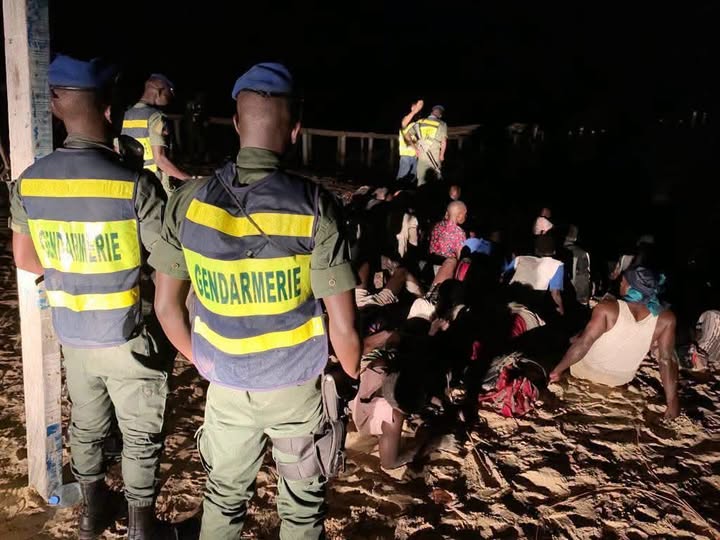
Sénégal: Émigration Clandestine à Potou Déjouée par la Gendarmerie
Summary
- A presumed attempt at clandestine emigration was recently thwarted in Potou, Louga region, Senegal.
- The Potou local gendarmerie brigade intervened to stop the illegal departure last night.
- This incident follows a tragic pirogue capsizing off Lompoul, which resulted in 39 fatalities.
- Senegal is currently in shock from the Lompoul disaster, intensifying focus on illegal migration.
- Authorities are increasing enforcement against clandestine emigration and human trafficking.
Heightened Enforcement in Senegal
Lawyers advising clients in maritime transport, human rights, or criminal defense should be aware of the escalating risks, as the state demonstrates a clear intent to prosecute those involved in trafic de migrants Sénégal.
Senegalese authorities recently intercepted a suspected attempt at clandestine emigration in the Louga region, specifically within the locality of Potou. This intervention, carried out by the local gendarmerie brigade of Potou during the past night, underscores the ongoing efforts by the Sénégal lutte émigration illégale. The successful thwarting of this operation highlights the vigilance of law enforcement in preventing dangerous sea crossings and protecting its citizens from the perils of irregular migration. This particular incident involved a presumed attempt to depart illegally, which was effectively neutralized before the vessel could embark on its journey.
This incident follows closely on the heels of a tragic maritime disaster, indicating a persistent challenge for the nation in controlling its coastal borders. The Potou gendarmerie intervention serves as a clear signal of the government's resolve to curb unauthorized departures from its coasts, which often involve overcrowded and unseaworthy vessels. Such actions are critical in disrupting networks involved in trafic de migrants Sénégal and protecting individuals from perilous journeys that frequently end in tragedy. The proactive stance taken by the gendarmerie reflects a broader national strategy to combat this complex issue.
Recent Tragedies Fuel Concern
The recent interception near Potou occurs as Senegal continues to grapple with the profound shock of a devastating Lompoul chavirement pirogue. This tragic incident, which saw a vessel capsize off the coast of Lompoul, resulted in the confirmed deaths of 39 individuals. The profound loss of life has cast a somber mood across the nation, intensifying public and official focus on the dangers associated with émigration clandestine. The scale of the Lompoul tragedy has deeply affected communities, prompting renewed calls for effective measures to prevent similar future occurrences.
The memory of the Lompoul disaster remains fresh, serving as a stark reminder of the extreme risks undertaken by those attempting to reach Europe via irregular routes. These events collectively underscore the urgent need for comprehensive strategies to address the root causes of clandestine migration while simultaneously enhancing maritime surveillance and interdiction capabilities. The repeated occurrences of such incidents highlight the complex socio-economic factors driving individuals to embark on these perilous voyages, often at the hands of unscrupulous traffickers. The government's response is thus shaped by both humanitarian concerns and national security imperatives.
Legal Ramifications and Future Outlook
The consistent efforts by Senegalese authorities, exemplified by the émigration clandestine Potou déjouée Sénégal, point to a significant increase in enforcement activities. This heightened vigilance carries substantial legal implications for individuals contemplating or facilitating irregular migration. Lawyers advising clients in maritime transport, human rights, or criminal defense should be aware of the escalating risks, as the state demonstrates a clear intent to prosecute those involved in trafic de migrants Sénégal. The legal landscape is becoming increasingly challenging for those who engage in or support such illicit activities, with authorities signaling a zero-tolerance approach.
The recent actions by the gendarmerie, coupled with the national shock from the Lompoul tragedy, suggest that Senegal is intensifying its legal and operational response to illegal emigration. This could lead to more stringent application of existing immigration and maritime laws, resulting in increased arrests and prosecutions for both migrants and facilitators. The focus on disrupting these networks aims not only to deter future attempts but also to hold accountable those who profit from human desperation, thereby reinforcing the legal framework against such illicit activities and safeguarding national borders. The government's commitment to combating this issue is evident in its sustained enforcement efforts.
Practical Implications
Lawyers advising clients in maritime transport, human rights, or criminal defense should note the heightened enforcement by Senegalese authorities against clandestine emigration, indicating increased legal risks for individuals involved in or facilitating such activities, and potential for more prosecutions under immigration and maritime laws.
Source
How does this affect you?
Get an AI analysis of this article grounded in your jurisdictions, practice areas, and any policy documents you've uploaded to Wansom.
Finish Reading the Full Story and the Expert Analysis.
Get the latest legal & regulatory intelligence in Senegal
Wansom is AI and can make mistakes.