
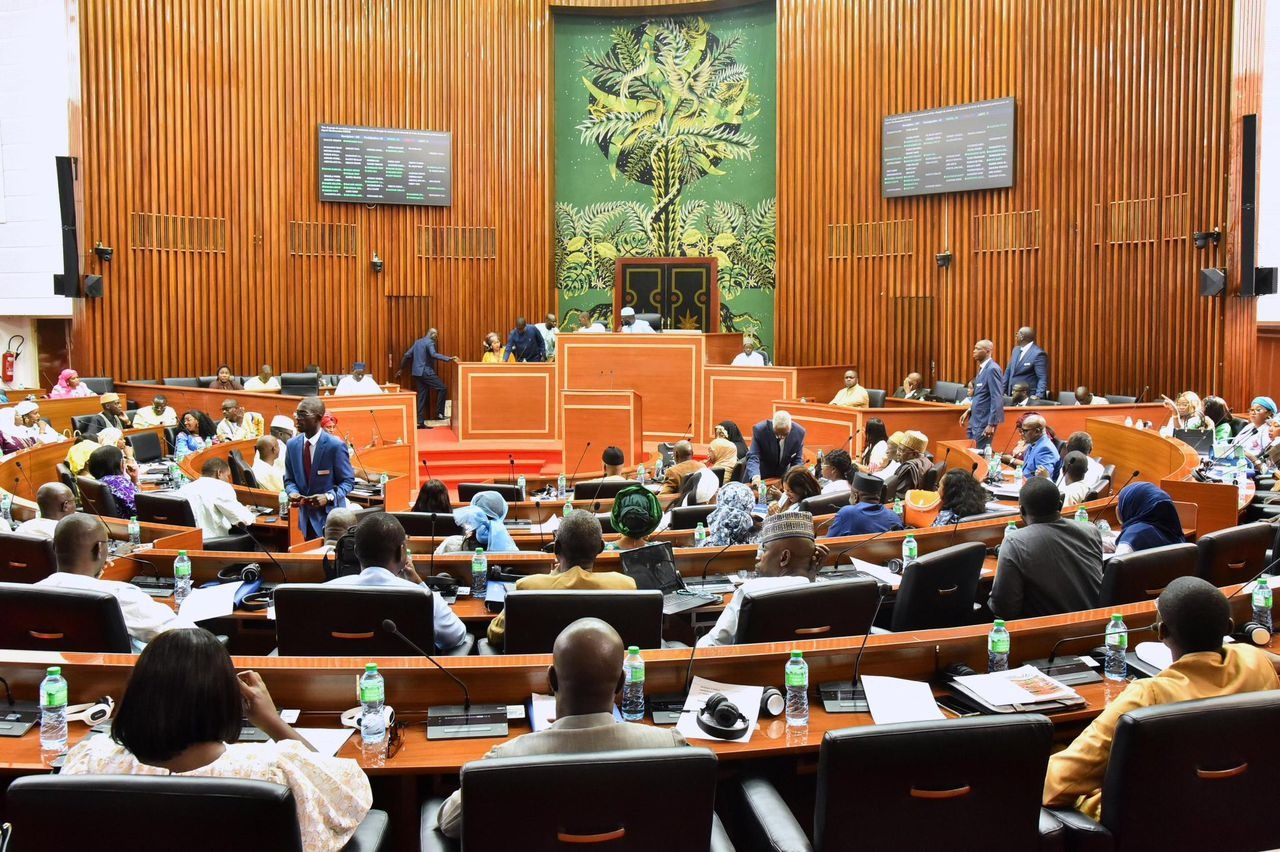
Sénégal LFR 2026: Assemblée Nationale Rejette le Projet de Loi
Summary
- The Senegalese National Assembly has rejected the Loi de Finances Rectificative (LFR) 2026 during a plenary session on November 3rd.
- This follows two rejections of the LFR 2026 by the Finance and Budget Control Commission.
- Minister of Economy, Finance and Planning, Cheikh Diba, had requested the bill's return to commission on October 27th for further discussion.
- The commission initially rejected Bill No. 40/2026 on October 23rd.
- Senegal has reached a staff-level agreement with the International Monetary Fund (FMI) for a potential financing program, which is still subject to final approval and conditions.
Legislative Stalemate in Senegal
Former deputies Cheikhou Oumar Sy and Théodore Chérif Monteil have voiced concerns that the protracted legislative process and the repeated rejections could negatively impact Senegal's financial credibility on the international stage.
The Senegalese National Assembly has rejected the Loi de Finances Rectificative (LFR) 2026 during a plenary session held on Tuesday, November 3rd, following its repeated rejection by the parliamentary Finance and Budget Control Commission. The convocation for this full parliamentary sitting came after the project underwent a fresh review within the commission, as reported by PressAfrik, highlighting the persistent challenges in securing legislative approval.
This session marked a significant moment after the commission members reiterated their disapproval of the text, leading to a renewed parliamentary debate. The ongoing legislative impasse has drawn considerable attention, particularly given the importance of the Sénégal LFR 2026 for the nation's fiscal framework and its broader economic stability. The repeated failure to pass this key financial instrument underscores a notable point of contention within the Assemblée nationale.
The Path to Rejection and Ministerial Intervention
The current situation developed after the Minister of Economy, Finance and Planning, Cheikh Diba, intervened on October 27th, requesting that the draft legislation be returned to the commission. This strategic move was intended to facilitate further dialogue and address the specific concerns raised by the deputies during their initial considerations of the Loi de Finances Rectificative 2026 Sénégal. Despite these efforts to bridge the gap between the executive and legislative branches, the commission ultimately rejected the proposed Bill No. 40/2026 for a second time.
The initial rejection of the bill by the commission occurred on October 23rd, setting the stage for the subsequent discussions and the minister's request for reconsideration. The persistent disagreement between the executive and the legislative body highlights the complexities involved in passing key financial legislation in Senegal, particularly when parliamentary scrutiny leads to such a decisive outcome. The repeated rejection of the projet loi 40/2026 Sénégal signals a deep-seated disagreement that requires resolution.
Economic and International Ramifications
This legislative deadlock in the Assemblée nationale over the Sénégal LFR 2026 is unfolding at a sensitive time for the nation's financial standing. Senegal has reached a staff-level agreement with the International Monetary Fund (FMI) for a potential financing program, which is still subject to final approval and conditions, making the timely and stable passage of its budget laws particularly crucial. The rejection of the Loi de Finances Rectificative 2026 Sénégal could have broader implications for these ongoing negotiations, potentially affecting the terms or even the feasibility of the FMI Sénégal programme financement.
Former deputies Cheikhou Oumar Sy and Théodore Chérif Monteil have voiced concerns that the protracted legislative process and the repeated rejections could negatively impact Senegal's financial credibility on the international stage. Furthermore, they suggest that such instability might strain the country's relationships with its various international partners, underscoring the gravity of the current parliamentary situation. The actions surrounding the rejet projet loi 40/2026 Sénégal are therefore being closely watched by both domestic and international observers, as they reflect on the nation's governance and economic predictability.
Practical Implications
Lawyers and compliance officers should closely monitor the final approval and content of Senegal's LFR 2026. The legislative instability and repeated rejections could signal potential shifts in fiscal policy or government spending priorities, impacting investment climate, contractual obligations, and regulatory compliance for businesses operating in Senegal, particularly those with government ties or international financial dealings.
Source
How does this affect you?
Get an AI analysis of this article grounded in your jurisdictions, practice areas, and any policy documents you've uploaded to Wansom.
Wansom is AI and can make mistakes.