
Sénégal Législatives Anticipées 2027: 5 Potential Dates Emerge
Summary
- Senegal faces potential early legislative elections in 2027 due to a power struggle between President Bassirou Diomaye Faye and National Assembly President Ousmane Sonko.
- The dissolution of the National Assembly could be considered from December 2, 2026, under Article 87 of the Constitution.
- If dissolved, elections would occur between January 30 and March 1, 2027, with five possible Sunday dates in January and February.
- Debate exists over the electoral roll, with concerns about excluding new voters and relocated citizens if the 2025 list is used.
- Experts emphasize the need for transparency and inclusion, warning against party exclusion or contested results to protect democratic integrity.
Senegal's Political Landscape and the Prospect of Early Elections
The Electoral Code must remain the cornerstone of any election.
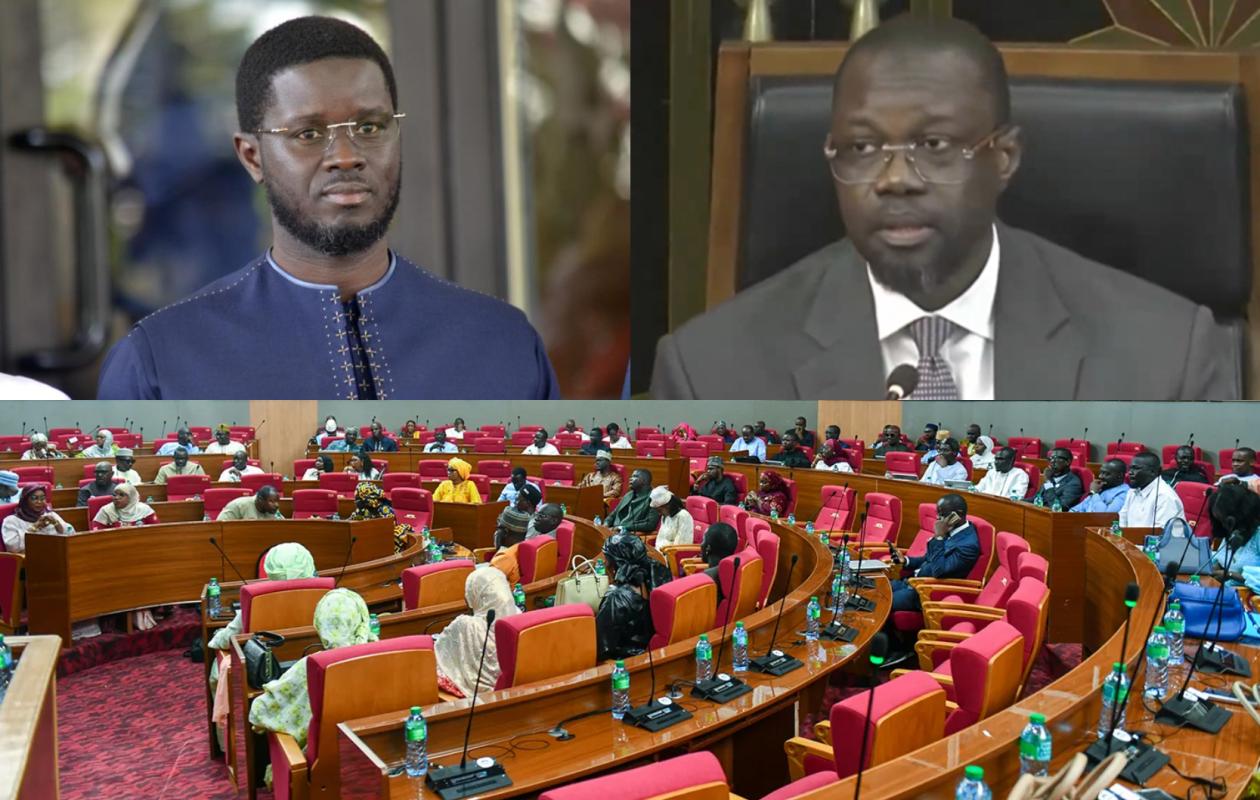
Senegal is currently navigating a period of significant political tension, marked by a notable power struggle between President Bassirou Diomaye Faye and his former ally, Ousmane Sonko. This dynamic has intensified calls for the dissolution of the National Assembly, an action advocated by groups like Sauvegarder Kiraay. The institutional friction became particularly pronounced following President Faye's decision to remove Sonko from his position as Prime Minister. In a subsequent development, Sonko was elected President of the National Assembly, securing a substantial majority with 132 out of 165 votes.
This outcome means that the legislative body is now largely controlled by Sonko's political faction, creating a direct institutional counterweight to the executive branch led by President Diomaye Faye. This configuration has fueled considerable speculation regarding the potential for early legislative elections, a move that would fundamentally reshape the country's political architecture. The ongoing divergence between the executive and legislative leadership forms the backdrop for discussions about the invocation of constitutional powers to resolve the impasse.
Constitutional Mandate and Election Timelines
The possibility of dissolving the National Assembly is enshrined in Article 87 of the Senegalese Constitution, which allows for such a measure to be considered from December 2, 2026. Should President Faye decide to exercise this power on or after this date, the Electoral Code mandates that new legislative elections must be held within a specific window, precisely between January 30 and March 1, 2027. Given the requirement for all elections to take place on a Sunday, five distinct dates emerge as potential options for the Sénégal législatives anticipées 2027: January 31, February 7, February 14, February 21, and February 28, all in 2027.
Electoral expert Mamadou Seck, commenting in L’Observateur, clarified that while the President may consult with the Prime Minister and the President of the National Assembly on such a decision, their opinions are purely advisory and do not legally bind the Head of State. Furthermore, according to reports from Rewmi, the issuance of a decree dissolving the Assemblée nationale Sénégal would immediately cease all legislative activities and render any pending bills or texts null and void, highlighting the profound implications of such a presidential action.
The Electoral Roll: A Point of Contention
A critical aspect of any impending election, particularly Sénégal législatives anticipées 2027, revolves around the integrity and inclusivity of the electoral roll. Significant debate currently centers on whether all eligible citizens will be accurately accounted for. Mamadou Seck suggests that if logistical constraints make a full, new registration process difficult due to short timelines, Article L.37 of the Code électoral Sénégal could permit the use of the electoral file from the last ordinary revision, which occurred in 2025.
However, this approach presents a notable challenge: it risks disenfranchising two key demographic groups. Firstly, young people who have attained voting age since the 2025 revision would be excluded. Secondly, citizens who have relocated since that time might also find themselves unable to cast their ballots. In contrast, Djibril Diop strongly advocates for an exceptional revision of the electoral list to ensure the participation of these citizens, especially first-time voters. Diop emphasizes that administrative difficulties should not serve as a barrier to electoral participation, asserting that "Democracy is at stake" if such exclusions occur.
Upholding Transparency and Political Inclusion
Beyond the technicalities of election scheduling and voter registration, both analysts underscore the paramount importance of transparency and broad political inclusion for the legitimacy of any future elections. Djibril Diop specifically cautions against scenarios that could undermine the democratic process, such as the exclusion of political parties from participation, potential boycotts by opposition factions, or widespread challenges to the election results. These factors, he warns, could severely compromise public trust and the perceived fairness of the outcome.
Diop's perspective highlights the delicate balance required to conduct credible elections, particularly in a politically charged environment. He firmly states that "The Electoral Code must remain the cornerstone of any election," emphasizing its fundamental role in providing a clear, equitable, and universally accepted framework for democratic contests. Ensuring adherence to these principles will be crucial for maintaining stability and confidence in Senegal's democratic institutions as it potentially heads towards early legislative elections.
Practical Implications
Lawyers and compliance officers should closely monitor the political developments in Senegal, particularly any official announcement regarding the dissolution of the National Assembly under Article 87 of the Constitution. Such a move would trigger early legislative elections, potentially impacting the legislative agenda, regulatory stability, and overall political risk for businesses operating in the jurisdiction. Attention should also be paid to debates surrounding the electoral roll and its potential implications for voter inclusion and election legitimacy.
Source
Source: Original reporting via Senego.
How does this affect you?
Get an AI analysis of this article grounded in your jurisdictions, practice areas, and any policy documents you've uploaded to Wansom.
Finish Reading the Full Story and the Expert Analysis.
Get the latest legal & regulatory intelligence in Senegal
Wansom is AI and can make mistakes.