
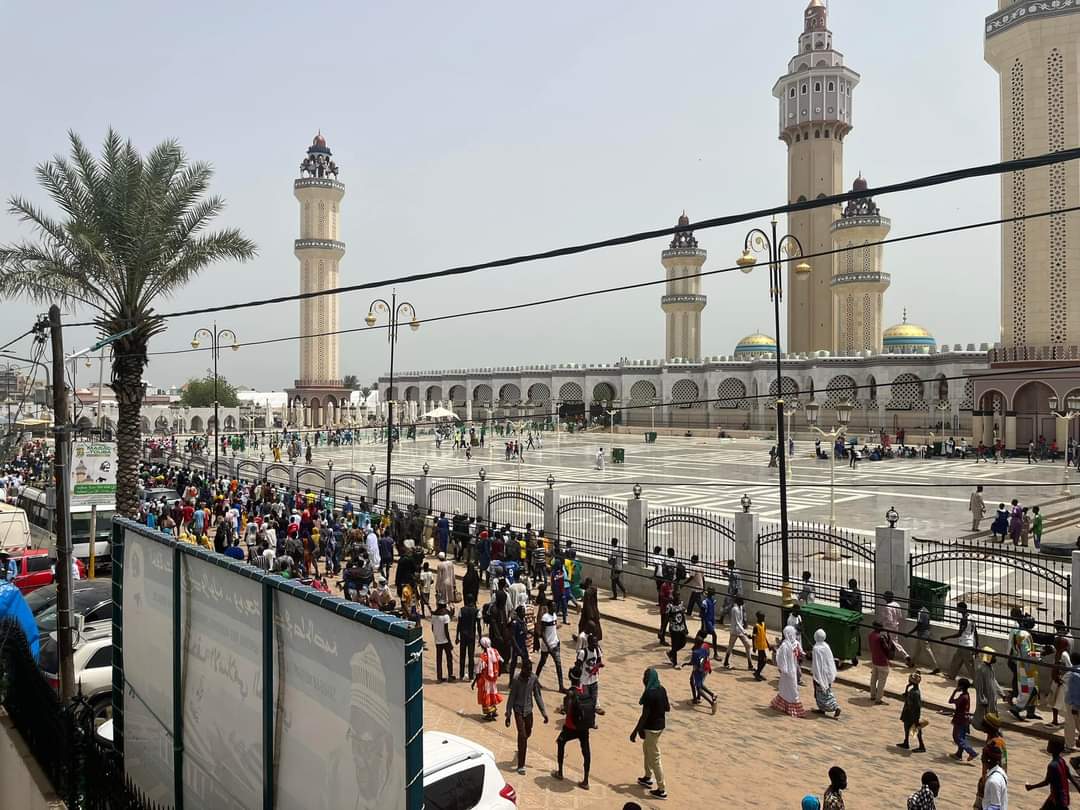
Sénégal Grand Magal No Férié Décret Présidentiel
Summary
- The Sénégal government did not declare a public holiday after the Grand Magal in Touba.
- Thousands of pilgrims had to return to Dakar and other localities, causing exceptional traffic congestion.
- The situation has raised concerns about road safety and the need for adapted administrative calendars for large religious gatherings.
- Only a presidential decree can derogate from the Law No. 74-52 of November 4, 1974, which sets the framework for public holidays.
What Happened
La législation sénégalaise ne prévoit pas automatiquement un jour chômé après le Magal.
The return of pilgrims to the Grand Magal in Touba was particularly challenging this year due to a decision not to declare a public holiday on the day after the religious event. Thousands of faithful, according to Xibaaru's information, had to cut short their stay in the holy city to return to Dakar and other localities, creating an exceptional influx in bus stations and on roads as early as the night of the Magal. This situation has raised concerns about road safety, with a heightened risk of accidents and traffic congestion.
Legal Context
The Sénégalese legislation does not automatically provide for a public holiday after the Grand Magal. The Law No. 74-52 of November 4, 1974, on legal holidays, only grants a Monday holiday to the Korité and Tabaski when they fall on a Sunday. For Easter and Pentecost, the Monday is also a holiday by law. However, for the Grand Magal, it depends on a presidential decree. The absence of such a decree this year has revived comparisons with former President Macky Sall, who in 2021 signed a text declaring the day after the Magal a public holiday, allowing pilgrims to return more gradually.
Why It Matters
The situation has reignited the debate on the need to adapt the administrative calendar to large religious gatherings. The Law No. 74-52 of November 4, 1974, sets the framework, but only a presidential decree can derogate from it for the Magal. This lack of foresight has led to massive concentrated movements over a short period, increasing the risks of traffic congestion, driver fatigue, and accidents on major highways. Lawyers should advise their clients to take necessary measures to protect themselves against these risks.
Practical Implications
Cette situation soulève des préoccupations en matière de sécurité routière, avec un risque accru d'accidents et de débouteillages. Les avocats devraient conseiller leurs clients à prendre les mesures nécessaires pour se protéger contre ces risques.
Source
Source: Original reporting via Xibaaru
How does this affect your business?
Get an AI analysis of this article grounded in your jurisdictions, practice areas, and any policy documents you've uploaded to Wansom.
Wansom is AI and can make mistakes.