
Sénégal Grève 72h Centrales Syndicales: Unions Declare Nationwide Action
Summary
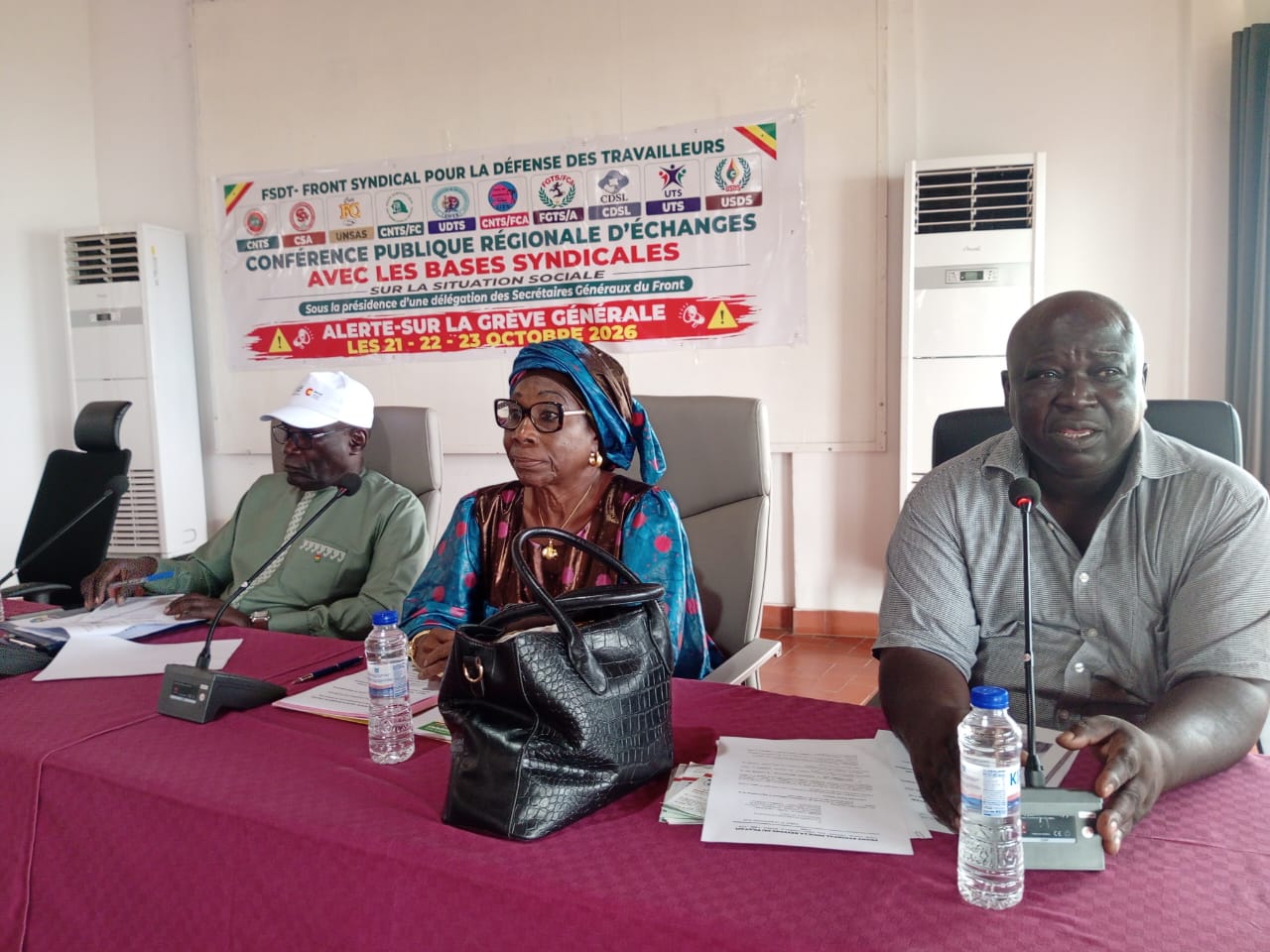
- Ten Senegalese trade union federations have announced a 72-hour general strike for October 21, 22, and 23.
- The strike follows a previous 24-hour mobilization and aims to protest the deterioration of social dialogue and specific grievances.
- Key issues include insufficient union involvement in the recently adopted Labour and Social Security Codes, ongoing layoffs, and non-compliance with agreements.
- UNSAS interim National General Secretary Marie Yvette Keïta Diop is calling for the restoration of tripartite social dialogue and respect for workers' rights.
- Unions are prepared to resume negotiations if conditions for genuine consultation are met.
Upcoming Industrial Action in Senegal
The unions are demanding the immediate restoration of a genuine tripartite social dialogue, which would involve equal participation from the State, employers, and labor organizations.
Ten prominent trade union federations in Senegal have declared a comprehensive 72-hour general strike, scheduled to take place on October 21, 22, and 23. This significant industrial action marks an escalation in the ongoing mouvement social Sénégal octobre, following a prior 24-hour mobilization. The unions intend for this strike to engage workers across all economic sectors throughout the country, signaling widespread discontent. The announcement of this extensive work stoppage was initially reported by EMedia, highlighting the gravity of the situation.
This planned grève 21 22 23 octobre Sénégal comes after a previous one-day action on July 10, which reportedly saw high participation rates. The federations aim to exert pressure on authorities and employers to address a range of long-standing grievances. The broad scope of the strike across all sectors indicates a unified front among the centrales syndicales, potentially leading to significant operational disruptions nationwide.
Deepening Social Dialogue Crisis
A central grievance driving this Sénégal grève 72h centrales syndicales is the perceived severe dégradation du dialogue social between labor organizations, employers, and the state. Unions contend that critical issues, including persistent employee layoffs and the failure to uphold existing agreements, remain unaddressed. A particularly contentious point involves the recently adopted legislative frameworks, specifically the revised Code du travail and the Social Security Code. The federations assert they were not adequately consulted or involved in the development of these crucial legal texts, leading to a breakdown of trust.
Marie Yvette Keïta Diop, the interim National General Secretary of the UNSAS, has been actively engaging with workers, including a recent visit to Ziguinchor, to articulate the current social landscape and gather their concerns, underscoring the depth of the conflit social Sénégal employeurs. Her outreach efforts highlight the unions' commitment to mobilizing their base and ensuring that employee voices are heard amidst the escalating tensions. The lack of meaningful engagement on these legislative reforms is a key factor fueling the current industrial unrest.
Union Demands and Conditions for Resolution
Marie Yvette Keïta Diop has unequivocally stated that the process of consultation has effectively ceased, necessitating urgent intervention. The unions are demanding the immediate restoration of a genuine tripartite social dialogue, which would involve equal participation from the State, employers, and labor organizations. Furthermore, they insist on an end to the current wave of layoffs and a renewed commitment to respecting workers' fundamental rights. This call for a structured dialogue underscores the unions' desire for a systemic resolution to the ongoing issues.
Despite the firm stance, the UNSAS leader emphasized that the mouvement social Sénégal octobre is not directed against any specific government official or administration, but rather serves as a broad defense of workers' interests. The labor federations have indicated their willingness to re-engage in discussions, provided that conditions conducive to authentic and meaningful consultation are established. This openness to negotiation, contingent on a shift in approach from the other parties, suggests a potential path towards de-escalation if their core demands for dialogue are met.
Precedent and Widespread Support
The upcoming grève 21 22 23 octobre Sénégal builds upon a previous successful mobilization. A 24-hour general strike held on July 10 reportedly garnered significant participation, with Mody Guiro indicating that over 75% of workers observed the action. The FSDT, another labor body, put the participation rate even higher, estimating it between 77% and 80%. This strong showing suggests a broad base of support for the unions' demands and their capacity to mobilize a substantial portion of the workforce.
Marie Yvette Keïta Diop's outreach efforts, such as her delegation's visit to Ziguinchor, were met with positive reception from the employees encountered, further reinforcing the collective resolve behind the planned industrial action. The reported adherence of workers during these engagements signals a widespread sentiment of dissatisfaction and a readiness to participate in the announced 72-hour strike, indicating that the movement has strong grassroots backing.
Practical Implications
Lawyers and compliance officers in Senegal should advise clients on potential operational disruptions due to the announced 72-hour strike by ten trade unions. They must also monitor the ongoing disputes regarding the new Labour and Social Security Codes and the deteriorating social dialogue, as these indicate increased industrial relations risk and potential future regulatory changes affecting employment practices.
Source
Source: Original reporting via EMedia
How does this affect you?
Get an AI analysis of this article grounded in your jurisdictions, practice areas, and any policy documents you've uploaded to Wansom.
Finish Reading the Full Story and the Expert Analysis.
Get the latest legal & regulatory intelligence in Senegal
Wansom is AI and can make mistakes.