
Sénégal Espagne Migration Irrégulière: Flux Persiste Malgré les Efforts
Summary
- Annually, irregular migration from Senegal to Spain persists despite interception efforts.
- Pirogues are regularly intercepted off Saint-Louis, and migrant camps are dismantled in the Mauritanian desert.
- Official reports indicate thousands of "prevented" departures each year.
- Despite these measures, migrants continue to depart using new routes and different smugglers.
- The recurring nature of these events suggests a need for a shift from interception to opportunity-focused solutions.
The Enduring Cycle of Irregular Migration
The persistent cycle of irregular migration, characterized by repeated interceptions and continued departures through evolving means, strongly suggests that a re-evaluation of the current policy framework is warranted.
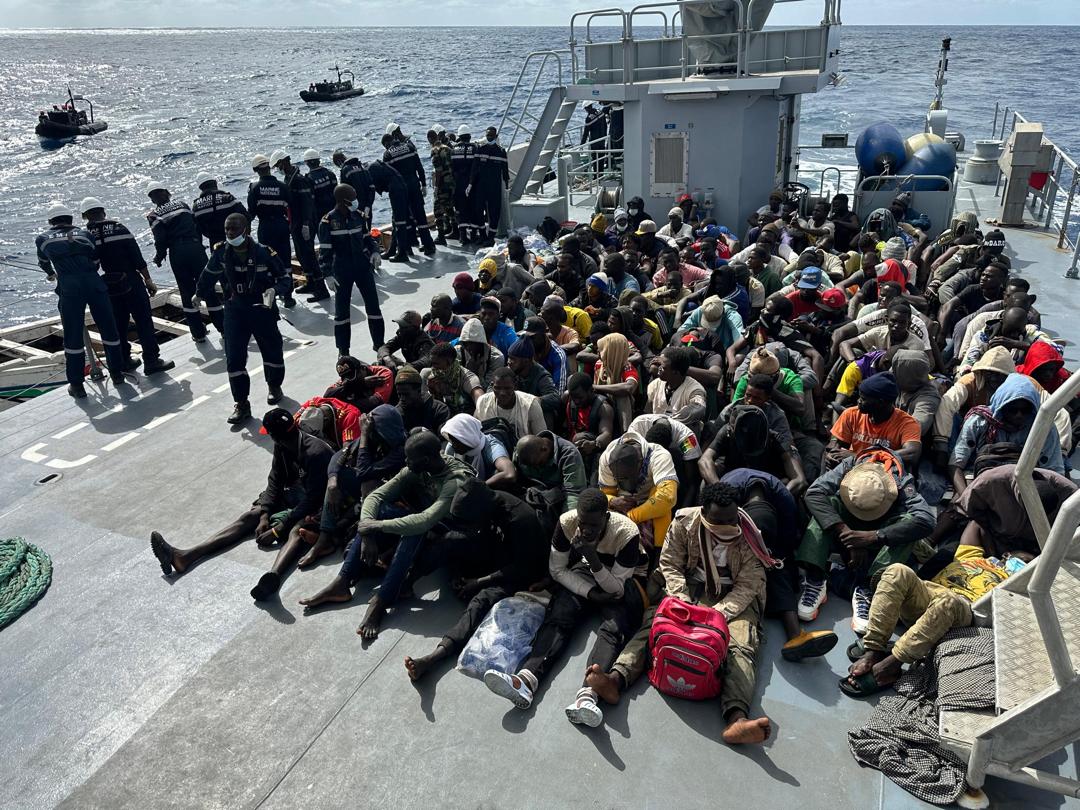
Each year, the narrative surrounding irregular migration between Senegal and Spain unfolds with striking familiarity. Reports consistently detail the interception of traditional pirogues off the coast of Saint-Louis, alongside the dismantling of makeshift encampments discovered in the Mauritanian desert. Official statistics frequently highlight thousands of departures that have been "prevented" through these concerted efforts. This recurring pattern underscores the persistent challenges in managing cross-border movements.
Despite these significant and visible interventions, the flow of migration clandestine Sénégal to European shores continues unabated. Migrants, driven by various factors, consistently adapt their strategies, finding alternative routes and engaging with different facilitators to pursue their journeys. This demonstrates a resilient and evolving dynamic that current interception-centric policies struggle to fully contain, leading to a perpetual cycle of departures and attempted prevention.
Limitations of Current Interception Strategies
The consistent annual recurrence of irregular migration, despite extensive efforts to curb it, points to inherent limitations in the prevailing interception-focused strategies. While the interception of vessels near Saint-Louis and the dismantling of camps in the Mauritanian desert represent tangible actions, they appear to address symptoms rather than root causes. The official figures touting thousands of "prevented" departures, while indicative of enforcement activity, do not translate into a lasting cessation of migratory flows.
Instead, these measures often compel individuals to seek out more perilous and circuitous paths, utilizing new networks of smugglers and targeting different destinations. This adaptive behavior by migrants highlights a critical challenge for the existing gestion flux migratoires Sénégal. It suggests that a strategy predominantly reliant on physical barriers and interdiction, without complementary approaches, may inadvertently foster greater ingenuity and risk-taking among those determined to migrate.
A Call for Opportunity-Based Approaches
The persistent cycle of irregular migration, characterized by repeated interceptions and continued departures through evolving means, strongly suggests that a re-evaluation of the current policy framework is warranted. The ongoing challenges faced by both Senegal and Spain in managing these flows, as evidenced by the annual repetition of events, underscore the need for a more sustainable and forward-looking approach. This situation implicitly calls for a shift from a reactive logic of interception to a proactive one centered on creating opportunities.
Such a paradigm shift could fundamentally alter the landscape of accords migratoires Espagne Sénégal, moving beyond security-centric cooperation to encompass broader developmental and economic initiatives. A revised politique migratoire Sénégal, developed in conjunction with international partners like Spain, might focus on addressing the underlying motivations for migration by fostering economic growth, education, and employment prospects within Senegal. This would aim to reduce the impetus for irregular journeys by offering viable alternatives, thereby transforming the current dynamic of migration clandestine Sénégal into one driven by choice and opportunity rather than desperation.
Practical Implications
This article signals a potential shift in the approach to irregular migration between Senegal and Spain, moving from interception-focused strategies to opportunity-based solutions. Lawyers advising clients on immigration, human rights, or international cooperation should monitor policy developments for new legal frameworks or changes in enforcement that could impact individuals or businesses involved in cross-border activities.
Source
How does this affect you?
Get an AI analysis of this article grounded in your jurisdictions, practice areas, and any policy documents you've uploaded to Wansom.
Wansom is AI and can make mistakes.