
Sénégal Députés: Loi Santé Carcérale Rejet Questions Préalables
Summary
- Senegalese deputies rejected preliminary questions on a proposed law concerning health in correctional facilities on September 30.
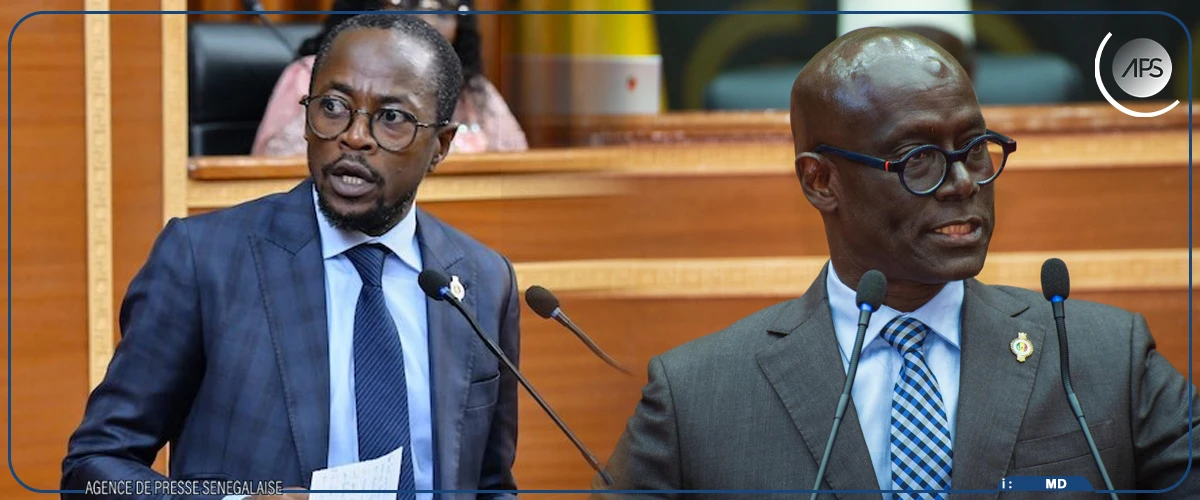
- The questions were raised by Deputy Abdou Mbow of the Takku-Wallu group and non-aligned Deputy Thierno Alassane Sall.
- This parliamentary decision allows the proposed bill on prison health to advance further in the legislative process.
- The rejection signals the legislature's intent to deliberate on the substance of the `proposition de loi santé carcérale Sénégal`.
- The move has significant implications for future legal frameworks and inmate welfare within Senegal's penitentiary system.
Legislative Hurdle Cleared for Prison Health Bill
Lawyers, particularly those involved in human rights litigation or advising on compliance for correctional facilities, should closely monitor the legislative progress of this proposed prison health bill.
In a significant development for Senegal's legislative agenda, members of parliament in Dakar recently voted to reject preliminary questions that had been raised concerning a proposed law on health within correctional facilities. This decision, made on a Wednesday, specifically on September 30, paves the way for the continued progression of the `proposition de loi santé carcérale Sénégal` through the parliamentary process. The rejection indicates a legislative intent to move forward with deliberations on the substance of the bill, rather than halting its consideration at an initial stage.
The preliminary questions were put forth by two distinct figures in the Senegalese political landscape: Deputy Abdou Mbow, representing the Takku-Wallu parliamentary group, and Deputy Thierno Alassane Sall, who sits as a non-aligned member of parliament. Their inquiries sought to challenge the foundational aspects or necessity of the proposed legislation before a full debate could commence. Following the vote, a statement was made, partially captured as: "I think there is no need to deliberate because we do not legislate…", suggesting a rationale for dismissing the preliminary challenges and proceeding with the legislative work.
Understanding the Legislative Context
The rejection of preliminary questions is a procedural step that often signals a legislative body's readiness to engage with a bill's core content. In parliamentary systems like Senegal's, such questions can serve as a mechanism to challenge the admissibility, constitutionality, or fundamental principles of a proposed law before it undergoes detailed scrutiny. By dismissing these challenges, the deputies have effectively affirmed the bill's eligibility for further debate and potential enactment, underscoring its perceived importance within the `législation sénégalaise santé` framework.
This move is particularly noteworthy given the subject matter: health in correctional facilities. The `droit pénitentiaire Sénégal` has long been an area of focus for human rights advocates, and a dedicated law on inmate health could represent a substantial evolution in the legal obligations and standards governing prison conditions. The advancement of this bill suggests a legislative acknowledgment of the need for specific legal provisions to address the unique health challenges faced by incarcerated populations.
Implications for Inmate Welfare and Legal Frameworks
The parliamentary decision to reject the preliminary questions regarding the `Sénégal loi santé carcérale rejet questions` has significant implications for the future of inmate welfare in the country. Should this proposed law ultimately be enacted, it could introduce comprehensive legal frameworks and specific obligations related to healthcare provision, access to medical services, and sanitary conditions within correctional facilities. Such legislation would likely establish new benchmarks for compliance for prison administrations and could empower human rights organizations in their monitoring and advocacy efforts.
Lawyers, particularly those involved in human rights litigation or advising on compliance for correctional facilities, should closely monitor the legislative progress of this proposed prison health bill. Its eventual enactment could introduce new legal frameworks or obligations concerning inmate welfare and rights, impacting human rights litigation or compliance for correctional facilities. The legislative journey of this bill, now unhindered by initial procedural challenges, represents a critical juncture for the enhancement of health standards and legal protections for individuals within Senegal's penitentiary system.
Practical Implications
Lawyers should monitor the legislative progress of Senegal's proposed prison health bill, as the rejection of these preliminary questions suggests its advancement. Its eventual enactment could introduce new legal frameworks or obligations concerning inmate welfare and rights, impacting human rights litigation or compliance for correctional facilities.
Source
Source: Original reporting via APS
How does this affect you?
Get an AI analysis of this article grounded in your jurisdictions, practice areas, and any policy documents you've uploaded to Wansom.
Finish Reading the Full Story and the Expert Analysis.
Get the latest legal & regulatory intelligence in Senegal
Wansom is AI and can make mistakes.