
Sénégal: Commission Enquête Cessions Immobilières Auditions Begin
Summary
- Senegal's Parliamentary Inquiry Commission (CEP) has commenced hearings into state real estate transfers.
- The investigation focuses on the built heritage of the State allegedly transferred to private individuals.
- Auditions began on Thursday at the National Assembly to examine transactions under "supposedly irregular conditions."
- The inquiry aims to ensure transparency and accountability in the management of public assets.
What Happened
The core concern driving this parliamentary action revolves around allegations that these transfers occurred under conditions deemed 'supposedly irregular,' suggesting potential deviations from established legal and administrative protocols governing public asset management.
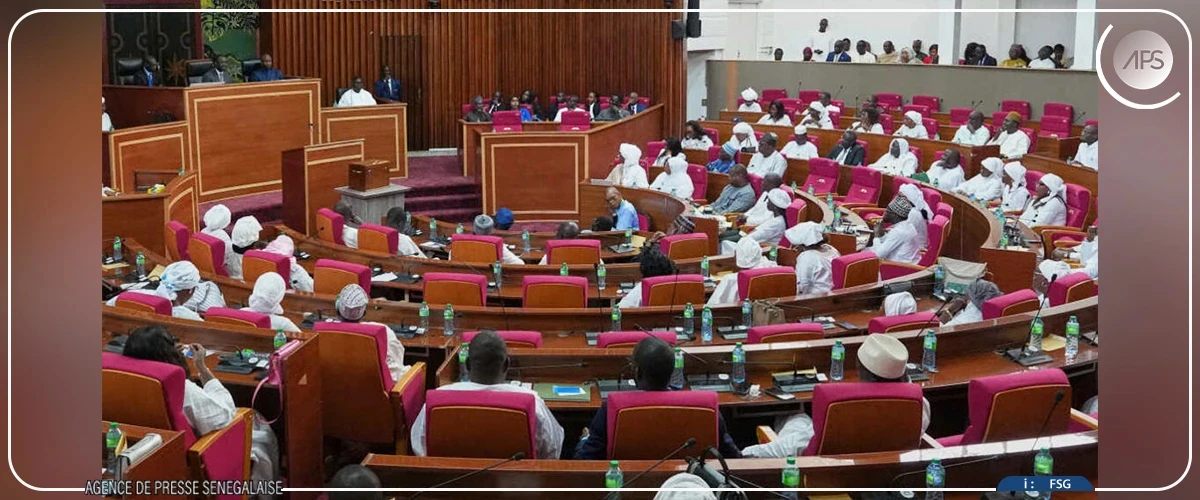
A significant parliamentary inquiry into the transfer of state-owned real estate has been launched by the Senegalese National Assembly. On Thursday, the Commission d’enquête parlementaire (CEP), which is tasked with scrutinizing these transactions, officially commenced its formal hearings. This development marks a crucial stage in the investigation, as the commission begins the process of gathering testimony and evidence concerning the disposition of public assets, focusing on Sénégal commission enquête cessions immobilières auditions.
These initial auditions, conducted within the legislative chambers of the Assemblée nationale, are specifically directed at a particular category of state property: the built heritage of the State. The inquiry aims to illuminate the circumstances under which these properties were transferred to private individuals. The primary concern driving this parliamentary action revolves around allegations that these transfers occurred under conditions deemed "supposedly irregular," indicating potential deviations from established legal and administrative protocols that govern public asset management. The initiation of these hearings underscores the legislative body's commitment to transparency and accountability in the management of Senegal's public domain.
Scope of the Parliamentary Inquiry
The central mandate of the Commission d’enquête parlementaire Sénégal is to meticulously examine the circumstances surrounding the cessions immobilières de l’État, with a particular emphasis on the built patrimony. The investigation specifically targets instances where state-owned buildings were transferred to private entities. This focus on "Ventes immobilières État Sénégal irrégulières" suggests a thorough examination of the procedural integrity and legality of past transactions, making the commission's work critical for understanding the historical management of the nation's tangible assets and identifying any potential breaches of public trust or legal frameworks.
The phrase "conditions supposées irrégulières," as cited by the commission, implies a broad scope of potential issues that could be under review. These might include, but are not limited to, non-compliance with public tender processes, undervaluation of properties, or other procedural anomalies that could have potentially disadvantaged the state. While the precise nature of these alleged irregularities remains the subject of the ongoing "Patrimoine bâti État Sénégal enquête," the very existence of such an inquiry highlights a legislative concern over the proper stewardship of public resources. This parliamentary oversight mechanism aims to ensure that all transactions involving public property adhere strictly to the principles of transparency, fairness, and legality, thereby upholding the integrity of the state's financial and material interests.
Implications for Public Real Estate Governance
The ongoing parliamentary inquiry into state real estate transfers carries substantial implications for public administration and the broader legal landscape governing property rights in Senegal. Such an investigation into the "Droit immobilier public Sénégal" underscores the critical importance of stringent adherence to regulatory frameworks when dealing with public assets. The findings of the Commission d’enquête parlementaire could potentially lead to significant reforms in how state property is managed, transferred, and monitored, with the aim of preventing future occurrences of alleged irregularities.
For all stakeholders involved in real estate transactions, particularly those concerning state-owned land or buildings, this inquiry serves as a potent reminder of the necessity for robust due diligence and strict "Conformité transactions foncières Sénégal." The intense scrutiny applied to past transfers under "supposedly irregular conditions" could establish new precedents for accountability and transparency in public asset management. Ultimately, the commission's work is not merely about investigating past actions but also about reinforcing public confidence in the governance of national assets and ensuring that the public interest remains paramount in all dealings concerning the state's patrimony. This legislative initiative reflects a broader commitment to enhancing institutional integrity and safeguarding the collective wealth of the nation.
Practical Implications
Lawyers advising clients on real estate transactions involving state property in Senegal should closely monitor the findings of this parliamentary inquiry for potential implications on past acquisitions or increased scrutiny for future deals. Compliance officers should review due diligence processes for state asset purchases to mitigate exposure to alleged irregularities.
Source
How does this affect you?
Get an AI analysis of this article grounded in your jurisdictions, practice areas, and any policy documents you've uploaded to Wansom.
Finish Reading the Full Story and the Expert Analysis.
Get the latest legal & regulatory intelligence in Senegal
Wansom is AI and can make mistakes.