
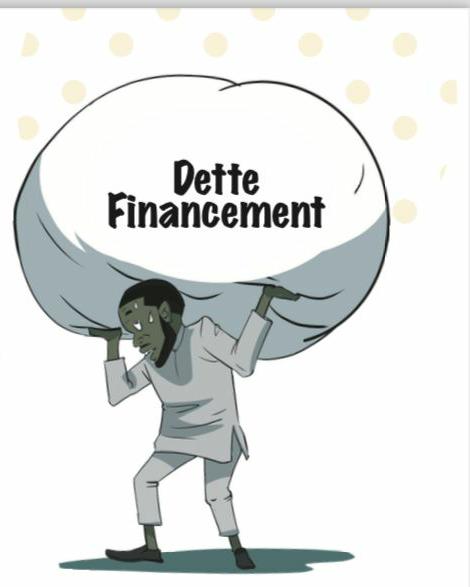
Sénégal: Accord Sur la Dette Avec Créanciers Officiels en Vue
Summary
- Senegal aims to reach a preliminary agreement with its public lenders and sovereign bondholders by December 2026.
- The nation is utilizing the G20's Common Framework to streamline debt restructuring discussions.
- Obligations denominated in CFA francs are excluded from the proposed debt treatment, while total return swaps worth $1.72 billion are included.
- The International Monetary Fund is facilitating investor discussions as part of Senegal's economic program.
- A recent revision of national debt figures prompted these negotiations, with further discussions needed post-preliminary agreement.
Senegal's Debt Restructuring Initiative
This detailed scope of instruments is a key consideration for financial institutions and investors, as it defines the parameters of the potential Sénégal dette créanciers officiels accord.
Senegal is actively pursuing a preliminary accord with its official creditors and holders of sovereign bonds, targeting an agreement by December 2026. This strategic move is integral to the broader treatment of the nation's public debt and aligns with an economic program recently negotiated with the International Monetary Fund (FMI). The government of Senegal, often referred to as Dakar, has initiated direct engagement with its financial partners to manage its dette souveraine Sénégal.
On October 6, Senegalese authorities convened a videoconference, hosted under the auspices of the FMI, to present their proposed options to investors. This proactive engagement underscores the nation's commitment to addressing its financial obligations and securing a sustainable path forward for its economy. The intention is to establish a clear framework for the restructuration dette Sénégal.
Leveraging International Frameworks for Debt Treatment
To facilitate an efficient resolution, Dakar is strategically employing the G20's Common Framework for debt treatment. This approach is designed to foster coordinated exchanges among creditors, aiming to circumvent the prolonged and often complex procedures observed in previous African debt restructurings. According to reports from Reuters, which cited sources close to the discussions, this choice reflects a deliberate effort to streamline the negotiation process for dette publique Sénégal.
The involvement of the FMI in orchestrating the investor dialogue further emphasizes the international community's support for Senegal's efforts to manage its financial obligations. The goal is to achieve a swift and equitable resolution within the established G20 cadre commun dette, thereby avoiding the inefficiencies that have plagued similar processes elsewhere.
Scope of Instruments in the Negotiation
A crucial aspect of the ongoing discussions pertains to the specific debt instruments that will be subject to treatment. The Senegalese government has explicitly stated that obligations denominated in CFA francs will not be included in the proposed debt restructuring. This exclusion provides clarity for holders of obligations CFA Sénégal and defines a key boundary for the negotiations.
Conversely, the negotiations are comprehensive enough to encompass total return swaps, which represent a substantial value, estimated at approximately $1.72 billion. This detailed scope of instruments is a key consideration for financial institutions and investors, as it defines the parameters of the potential Sénégal dette créanciers officiels accord. Understanding these inclusions and exclusions is vital for assessing the full impact of the proposed treatment.
Underlying Factors and Future Outlook
The impetus for these significant negotiations arose from a recent re-evaluation of Senegal's national debt figures. This revision led to a profound shift in the understanding of the country's financial health, subsequently complicating its relationships with certain international partners. This re-assessment highlighted the urgent need for a structured approach to dette souveraine Sénégal.
While the immediate goal is to secure a preliminary agreement, it is important to recognize that such an accord would not mark the culmination of the financial rearrangement. The intricate details, including the precise conditions of the restructuration dette Sénégal, the expected contributions from various categories of creditors, and the ultimate budgetary implications, will all require further extensive discussion and negotiation. This ongoing process highlights the complexity inherent in managing sovereign debt and the need for sustained dialogue beyond the initial agreement.
Practical Implications
Lawyers advising financial institutions or investors holding Senegalese sovereign debt should closely monitor the ongoing negotiations with official creditors and bondholders, particularly regarding the scope of instruments included and the proposed timeline, to assess potential impacts on their clients' portfolios and compliance obligations.
Source
How does this affect you?
Get an AI analysis of this article grounded in your jurisdictions, practice areas, and any policy documents you've uploaded to Wansom.
Finish Reading the Full Story and the Expert Analysis.
Get the latest legal & regulatory intelligence in Senegal
Wansom is AI and can make mistakes.