
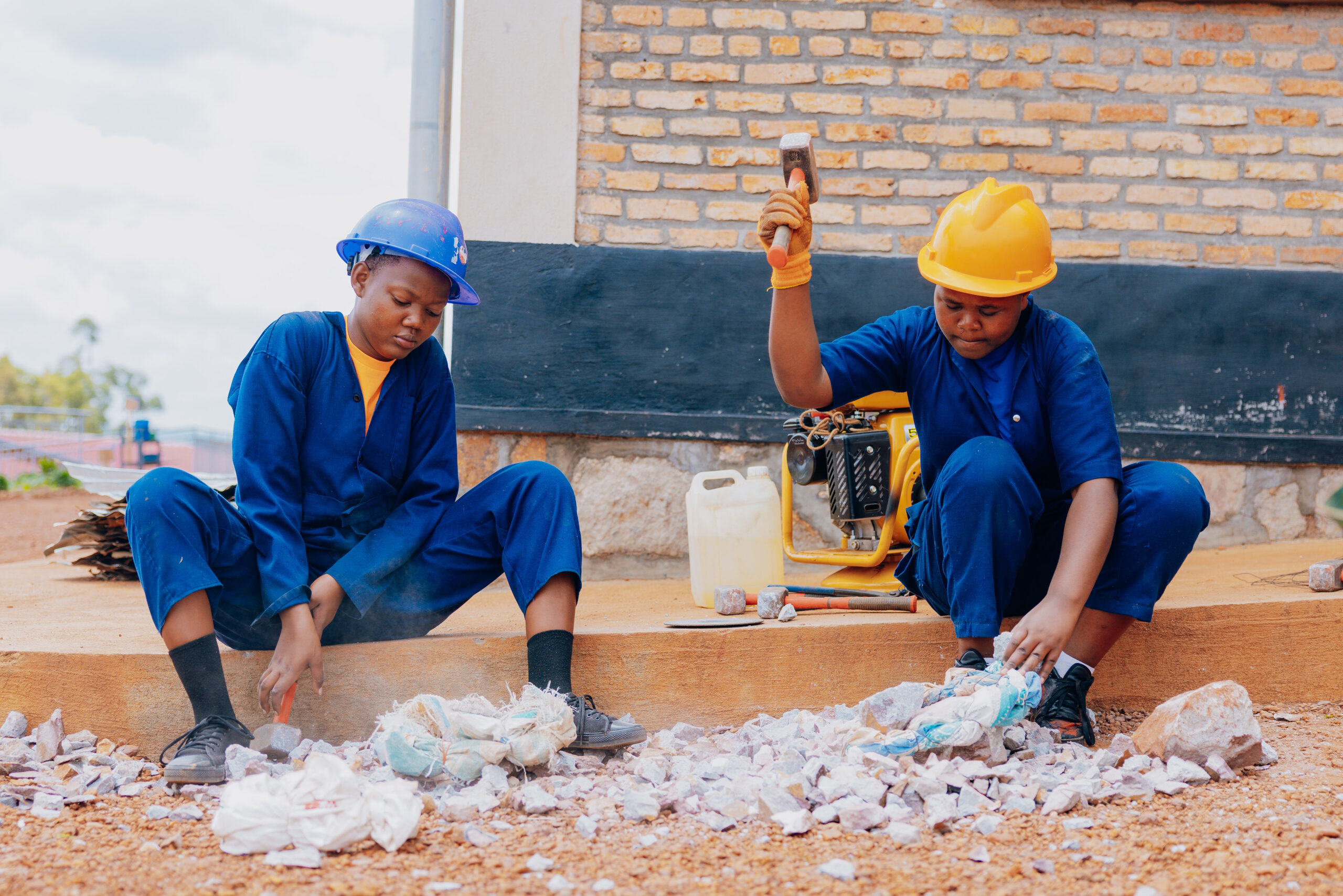
Rwanda’s Refugee Strategy Focuses on Building Communities, Not Just Camps
Abstract
Rwanda is spearheading a transformative shift in refugee management, moving from traditional camp-centric approaches to a comprehensive strategy focused on community building and socio-economic integration. This progressive model, underpinned by a new financing agreement for the Jya Mbere Project Phase II, aims to integrate refugees into national systems for education, health, and livelihoods, fostering self-reliance and shared development with host communities. This article examines the legal and policy frameworks enabling this strategy, including international conventions and domestic legislation, and explores the implications for legal practitioners navigating the evolving landscape of refugee rights, economic opportunities, and social integration within Rwanda.
Introduction
Rwanda has long been a significant host country for refugees, primarily from neighbouring Democratic Republic of Congo and Burundi, housing nearly 140,000 individuals. Historically, refugee responses have often been characterised by emergency aid and camp-based assistance, leading to prolonged dependency. However, Rwanda is now championing a paradigm shift, moving towards a more sustainable and inclusive model that prioritises the integration of refugees into the social and economic fabric of host communities. This strategic evolution is underscored by the recent approval of a new financing agreement, enabling the continuation of a major refugee support program, the Jya Mbere Project Phase II.
This new phase of the project is designed to bring tangible benefits, including schools, roads, health facilities, and job opportunities, not just to refugee camps but to the broader communities that host them across the country. This approach reflects a commitment to transforming refugee welfare from aid dependency to self-reliance, aligning with global best practices and Rwanda's national development objectives. For legal professionals, this shift presents a complex yet vital area of practice, touching upon refugee law, human rights, property law, labour law, and the intricacies of international development financing. Understanding the legal underpinnings and practical implications of this community-focused strategy is crucial for advising various stakeholders, from international organisations and NGOs to individual refugees and local businesses.
The core thesis of this article is that Rwanda's community-building refugee strategy represents a robust and forward-thinking application of international and domestic legal principles, aiming to secure durable solutions through integration. While offering significant opportunities for enhanced refugee protection and empowerment, its successful implementation hinges on sustained political will, effective legal enforcement, and continued international partnership, presenting both unique challenges and a compelling model for other host nations.
Background
Rwanda's refugee policy is firmly rooted in a dual framework of international and domestic law. Internationally, Rwanda is a State Party to the 1951 Convention relating to the Status of Refugees and its 1967 Protocol, which establish fundamental rights and obligations concerning refugees. Crucially, Rwanda is also a signatory to the 1969 OAU Convention Governing the Specific Aspects of Refugee Problems in Africa. This regional instrument significantly broadens the definition of a refugee beyond individual persecution to include those fleeing external aggression, occupation, foreign domination, or events seriously disturbing public order, a definition particularly relevant in the context of the Great Lakes region's history of mass displacement.
Domestically, the right to asylum is enshrined in Article 25 of the Rwandan Constitution. The primary legislation governing refugees and asylum seekers is Law N° 042/2024 of 19/04/2024 governing Refugees and Applicants for Refugee Status in Rwanda, which repealed the earlier Law N° 13ter/2014 of 21/05/2014. This updated law aims to align Rwanda's domestic policies with international standards and treaties, ensuring that refugees enjoy the rights provided for by international refugee instruments. These rights, under the previous law and continuing under the current framework, include the right to work, freedom of movement, access to documentation such as refugee identity cards, birth and death certificates, marriage certificates, and the ability to own property and enter contracts.
This legal foundation underpins Rwanda's commitment to the principles of the Global Compact on Refugees (GCR) and the Comprehensive Refugee Response Framework (CRRF), which advocate for greater self-reliance and inclusion of refugees within national development plans. The shift from a purely humanitarian, camp-based approach to one that integrates refugees into national services and development programs is a direct manifestation of these commitments. While most refugees have historically resided in camps, Rwanda's policy now actively seeks to transform these areas into development-oriented settlements, fostering socio-economic cohesion for both refugees and host communities.
Analysis
Rwanda's community-building strategy for refugees, exemplified by the Jya Mbere Project Phase II and the broader Refugee Sustainable Graduation Strategy (2025-2030), presents a robust legal and policy framework for integration. The new financing agreement, backed by US$66.7 million from the International Development Association (IDA), specifically targets improving access to basic services and economic opportunities for both refugees and host communities in six districts. This direct investment in shared infrastructure—schools, health centres, roads, and water systems—and job creation through public works and small business support, legally entrenches the principle of shared benefits and inclusive development.
The legal implications of this strategy are far-reaching. By integrating refugees into national education and health systems, Rwanda is operationalising the rights to education and health as stipulated in international refugee instruments and its domestic law. The Law N° 042/2024, by ensuring refugees enjoy rights provided by international instruments, facilitates their access to civil registration, documentation, and financial services, which are critical for economic participation. The focus on vocational skills development, financial inclusion, and market access directly supports the right to work and entrepreneurship, moving refugees from aid dependency to self-reliance.
However, legal practitioners must also be cognisant of potential challenges. While the current law aims to improve adherence to international principles, previous iterations of refugee law in Rwanda have faced scrutiny regarding the independence of the appeal process for asylum decisions and the provision of free legal aid. Ensuring robust access to justice mechanisms, including legal representation for refugees, remains paramount for upholding their rights throughout the integration process. Furthermore, while Rwanda's commitment to non-refoulement is enshrined in its international obligations, the country's asylum system has, in other contexts (such as the UK-Rwanda migration partnership), drawn concerns from UNHCR regarding its capacity to properly determine asylum claims and the risk of refoulement. This highlights the ongoing need for vigilance and strong legal oversight to ensure that the progressive integration policies are consistently applied and that individual protection needs are met.
Comparatively, Rwanda's approach aligns with the Global Compact on Refugees' objectives of easing pressure on host countries, enhancing refugee self-reliance, and expanding access to third-country solutions. The emphasis on integrating refugees into national development plans and systems, rather than creating parallel structures, is a model increasingly advocated for globally. This strategy not only benefits refugees by providing them with dignity and opportunities but also contributes to the development of host communities, thereby fostering social cohesion and mitigating potential tensions.
The Refugee Sustainable Graduation Strategy (2025-2030), aiming to transition 50 percent of camp-based refugee households to self-reliance, is a testament to this long-term vision. This requires continuous legal and policy innovation to address issues such as land use rights, business registration for refugees, and ensuring non-discriminatory access to public services. The collaboration between the Ministry in Charge of Emergency Management (MINEMA), UNHCR, the World Bank, and other partners in implementing these strategies underscores the multi-faceted legal and operational coordination required for such ambitious integration efforts.
Conclusion
Rwanda's evolving refugee strategy, marked by its focus on community building and socio-economic integration, represents a significant and commendable departure from traditional humanitarian models. By leveraging international and domestic legal frameworks, including the 1951 Refugee Convention, the OAU Convention, and its own Law N° 042/2024, Rwanda is actively working to transform the lives of refugees from aid dependency to self-reliance, while simultaneously bolstering the development of host communities. The new financing agreement for the Jya Mbere Project Phase II is a tangible commitment to this inclusive vision, promising improved infrastructure, services, and economic opportunities for all residents in refugee-hosting districts.
For legal practitioners, this shift creates a dynamic environment requiring expertise in international refugee law, national administrative law, human rights, and development policy. Attorneys will be increasingly called upon to advise on issues such as refugee documentation, access to employment and financial services, property rights, and ensuring equitable access to justice within integrated communities. It is imperative for legal professionals to monitor the implementation of the Refugee Sustainable Graduation Strategy (2025-2030) and related policies, advocating for the full realisation of refugee rights and addressing any emerging legal or practical barriers to integration. Rwanda's strategy offers valuable lessons for other nations grappling with large refugee populations, demonstrating that with robust legal frameworks and strategic investments, refugees can become active contributors to national development, fostering a more dignified and sustainable future for all.
Citations
- 1.OAU Convention Governing the Specific Aspects of Refugee Problems in Africa, adopted 10 September 1969, entered into force 20 June 1974.
- 2.Law N° 042/2024 of 19/04/2024 governing Refugees and Applicants for Refugee Status in Rwanda.
- 3.Law N° 13ter/2014 of 21/05/2014 relating to refugees (repealed by Law N° 042/2024).
- 4.Constitution of the Republic of Rwanda (2003, as amended).
- 5.UNHCR. The Global Compact on Refugees. Available at: https://www.unhcr.org/the-global-compact-on-refugees.html
- 6.UNHCR. Rwanda: Multi-year Strategy 2023 – 2025. Available at: https://www.unhcr.org/rwanda-multi-year-strategy-2023-2025
- 7.UNHCR. Rwanda | The Global Compact on Refugees. Available at: https://www.unhcr.org/the-global-compact-on-refugees/rwanda
- 8.MINEMA & UNHCR. Joint Strategy on Economic Inclusion of Refugees and Host Communities (2021-2024).
- 9.KT Press Rwanda. Rwanda’s Refugee Strategy Focuses on Building Communities, Not Just Camps. (June 08, 2026).
- 10.MINEMA. Rwanda Strengthens Efforts to Promote Refugee Inclusion Through Private Sector Engagement. (June 04, 2026).
- 11.MINEMA. Rwanda Highlights Inclusive Refugee Policy and National Resilience at UNHCR ExCom. (October 31, 2025).
- 12.MINEMA. Rwanda Showcases Leadership and Innovation at the 2025 Global Refugee Forum. (June 11, 2026).
- 13.Minecofin. Government of Rwanda – World Bank Sign $60 million Agreement to Support Refugees and Host Communities. (May 16, 2019).
- 14.World Bank. Rwanda to Expand Economic Opportunities for Refugees and Host Communities. (June 25, 2025).
- 15.Access to Finance Rwanda. Provision of Financial Services to Refugees and Their Host Communities. (October 2018).
- 16.UNHCR. Rwanda Aims for Self-Reliance among Half of Refugees by 2030. (October 07, 2025).
- 17.Vision Media Ltd. Rwanda Pushes Refugee Self-Reliance with Five-Year Plan. (October 07, 2025).
- 18.UNHCR. Inclusion of refugees into the Rwandese national education system. (March 18, 2020).
- 19.UNHCR. Rwanda: Refugee Policy Review Framework Country Summary as at 30 June 2023. (March 13, 2024).
- 20.UNHCR. Ending of refugee status for Rwandans approaching. (June 28, 2013).
- 21.OHCHR UPR Submissions. THE REPUBLIC OF RWANDA. (May 21, 2014).
- 22.Refworld. Rwanda: Law No. 042/2024 of 19/04/2024 governing Refugees and Applicants for Refugee Status in Rwanda. (April 19, 2024).
- 23.Refworld. Rwanda: Law No. 13 ter/2014 of 21/05/2014 relating to refugees [REPEALED]. (May 21, 2014).
- 24.Refworld. OAU Convention Governing the Specific Aspects of Refugee Problems in Africa, 1969. Available at: https://www.refworld.org/legal/agreements/oau/1969/en/13572
- 25.Refworld. Convention Relating to the Status of Refugees, adopted 28 July 1951, entered into force 22 April 1954, 189 UNTS 137.
- 26.Refworld. Protocol Relating to the Status of Refugees, adopted 31 January 1967, entered into force 4 October 1967, 606 UNTS 267.
- 27.UNHCR Research Series. The 1969 OAU Convention and Disaster Displacement. (October 23, 2023).
- 28.EBSCO. African Convention Expands the Definition of Refugees | Law | Research Starters. Available at: https://www.ebsco.com/products/research-databases/research-starters/african-convention-expands-definition-refugees
- 29.Upr Info. THE REPUBLIC OF RWANDA. (2014).
- 30.PolicyVault.Africa. Law N° 13Ter/2014 of 21/05/2014 Relating to Refugees. (May 21, 2014).
- 31.World Bank. Rwanda: Socio-economic Inclusion of Refugees and Host Communities Project. (April 3, 2019).
- 32.Global Compact on Migration Review – Voluntary Report on GCM Progress – RWANDA. (November 2025).
- 33.Oxford Law Blogs. The Tried and Failed Business of Exporting Asylum. (May 02, 2022).
- 34.Geneva International Centre for Justice. The Safety of Rwanda Act: Impacts on the Principle of Non-Refoulement and Refugeeism. (September 05, 2024).
How does this affect your business?
Get an AI analysis of this article grounded in your jurisdictions, practice areas, and any policy documents you've uploaded to Wansom.
Wansom is AI and can make mistakes.