
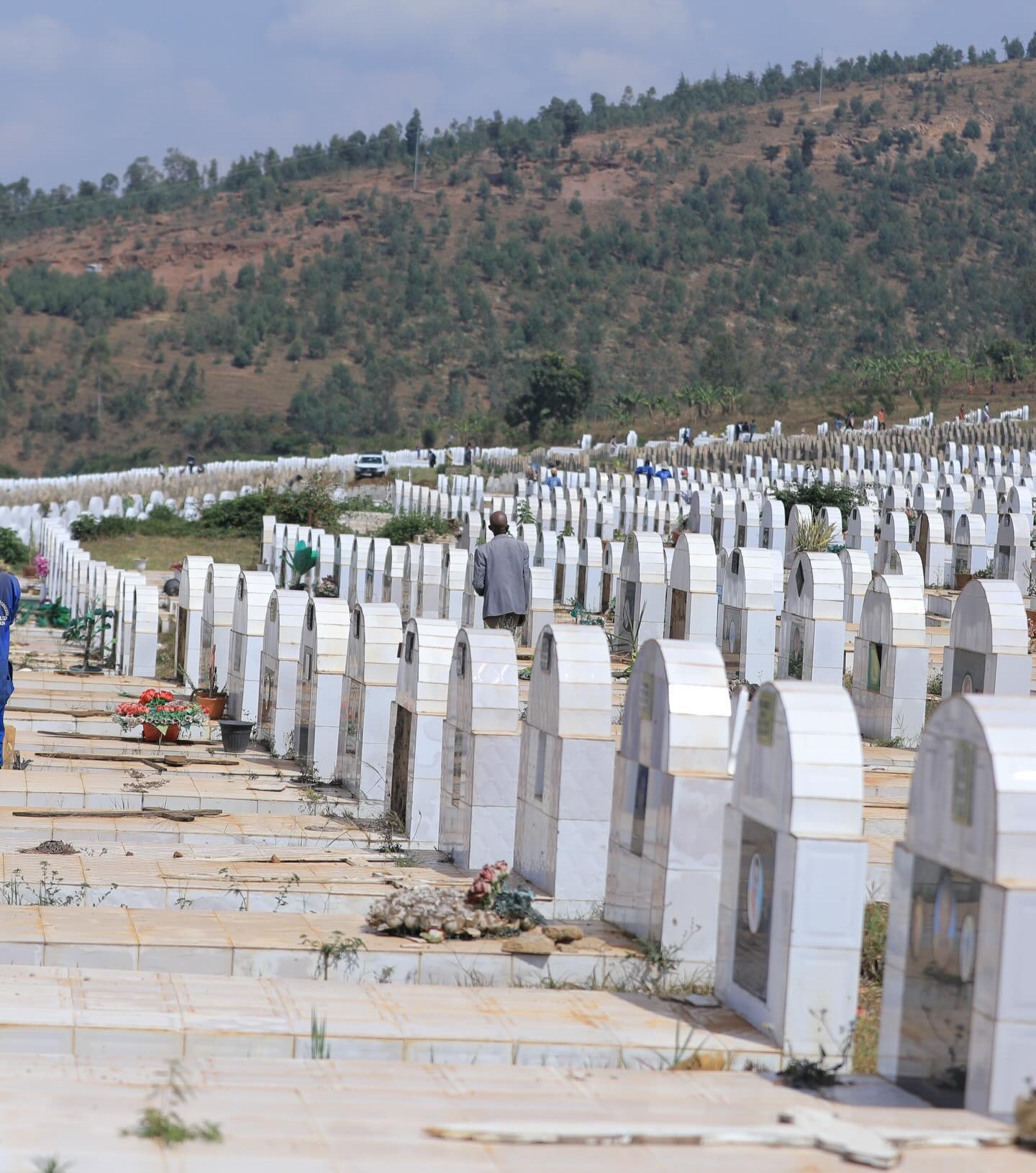
Rwanda: New Land Use Rules Prohibit Concrete Graves in Cemeteries
Summary
- Rwanda's National Land Authority has issued new regulations prohibiting concrete graves and tiled finishes in cemeteries and crematoria zones.
- These rules are part of the second edition of the Land Use Master Plans’ Zoning Regulations, published in September 2026.
- The regulations classify cemeteries as Public Facilities Zone PF6 and ban permanent structures, industrial, commercial, and residential activities within them.
- The new rules do not clarify whether existing concrete graves must be removed or if the restriction applies only to new construction.
- The Rusororo Cemetery is now projected to reach its capacity sooner than its initial 2029 estimate.
New Restrictions on Rwandan Burial Practices
The National Land Authority has not yet provided an explanation for the environmental or public health rationale behind the specific prohibition on concrete graves, an issue that may require further clarification, particularly given its impact on established Rwandan burial practices law and family traditions.
Rwanda has introduced significant changes to its land-use regulations, specifically impacting burial practices by prohibiting concrete graves and tiled finishes in designated cemetery and crematoria zones. These new directives, issued by the National Land Authority Rwanda, are detailed in the second edition of the Land Use Master Plans’ Zoning Regulations, a document published in September 2026. The rules stipulate that permanent structures, including those made of concrete or adorned with tiles, are no longer permitted, whether situated above or below ground within these areas.
This regulatory update comes as the Rusororo Cemetery, a major burial site, is now projected to reach its capacity earlier than its initial 2029 estimate. The provisions concerning cemeteries are part of a broader set of amendments that influence various aspects of land utilization across Rwanda, ranging from residential and commercial developments to agricultural and industrial facilities. Traditionally, burials in Rwanda occur in designated cemeteries, with families often paying for plots, and grave designs varying widely from simple earth mounds to elaborate monuments, reflecting the financial capabilities of the bereaved.
Specifics of the Cemetery Zoning Rules
Under the updated regulations, cemeteries and crematoria are categorized as Public Facilities Zone PF6. Within this classification, permitted activities include the operation of cemeteries and crematoria themselves, along with supporting facilities such as pavilions, service rooms, and green spaces. However, the document explicitly lists concrete structures and tiled finishes as prohibited uses, applying this ban to both underground and above-ground constructions.
Beyond the prohibition of concrete graves, the regulations also forbid industrial, commercial, and residential activities within land earmarked for cemeteries and crematoria. Certain supporting facilities may be allowed following an assessment, including accommodation for cemetery caretakers, as well as public amenities like toilets and prayer halls at crematoria. A notable omission from the new rules is any clarification regarding the fate of concrete graves already in existence; it remains unclear whether these must be removed or if the restriction applies solely to new constructions.
Broader Land Use and Regulatory Framework
The Land Use Master Plans’ Zoning Regulations serve as a crucial guide for implementing existing land-use strategies, such as the Kigali City Master Plan and various District Land Use Plans. This document is not a standalone national land-use master plan but rather an updated set of rules designed to translate the overarching National Land Use and Development Master Plan, which covers the period from 2020 to 2050, into practical requirements for individual plots. This comprehensive national plan outlines how land should be allocated for diverse purposes, including housing, agriculture, industry, infrastructure, and environmental protection.
The zoning regulations ensure that land use is systematically managed. For instance, owning a piece of land does not automatically grant the right to construct any type of facility, such as a factory, shopping center, or apartment building. Instead, the permissible development is strictly determined by the specific zone in which the plot is located. The rules categorize land uses into three distinct types: permitted, conditional, and prohibited, providing a clear framework for development across the country.
Unanswered Questions and Environmental Considerations
Despite the clear prohibition on concrete graves, the National Land Authority has not yet provided an explanation for the environmental or public health rationale behind the specific restriction. This lack of stated reasoning is an issue that may require further clarification, particularly given its impact on established Rwandan burial practices law and family traditions, which have historically accommodated a wide range of grave designs reflecting differing financial means.
Furthermore, the regulations address the environmental impact of cemeteries, particularly those situated near wetlands. They mandate an environmental impact assessment for any cemetery located in proximity to a wetland and prescribe a buffer distance ranging from 200 to 300 meters. This provision underscores a broader commitment to environmental protection within the updated land-use framework, even as the specific justification for the concrete grave ban remains unarticulated.
Practical Implications
Lawyers advising clients on land use, property development, or estate planning in Rwanda must be aware of these new restrictions on cemetery structures, particularly the prohibition of concrete graves and tiled finishes. They should advise clients on compliance with the updated zoning regulations and monitor for further clarification from the National Land Authority regarding the treatment of existing concrete graves.
Source
How does this affect you?
Get an AI analysis of this article grounded in your jurisdictions, practice areas, and any policy documents you've uploaded to Wansom.
Wansom is AI and can make mistakes.