
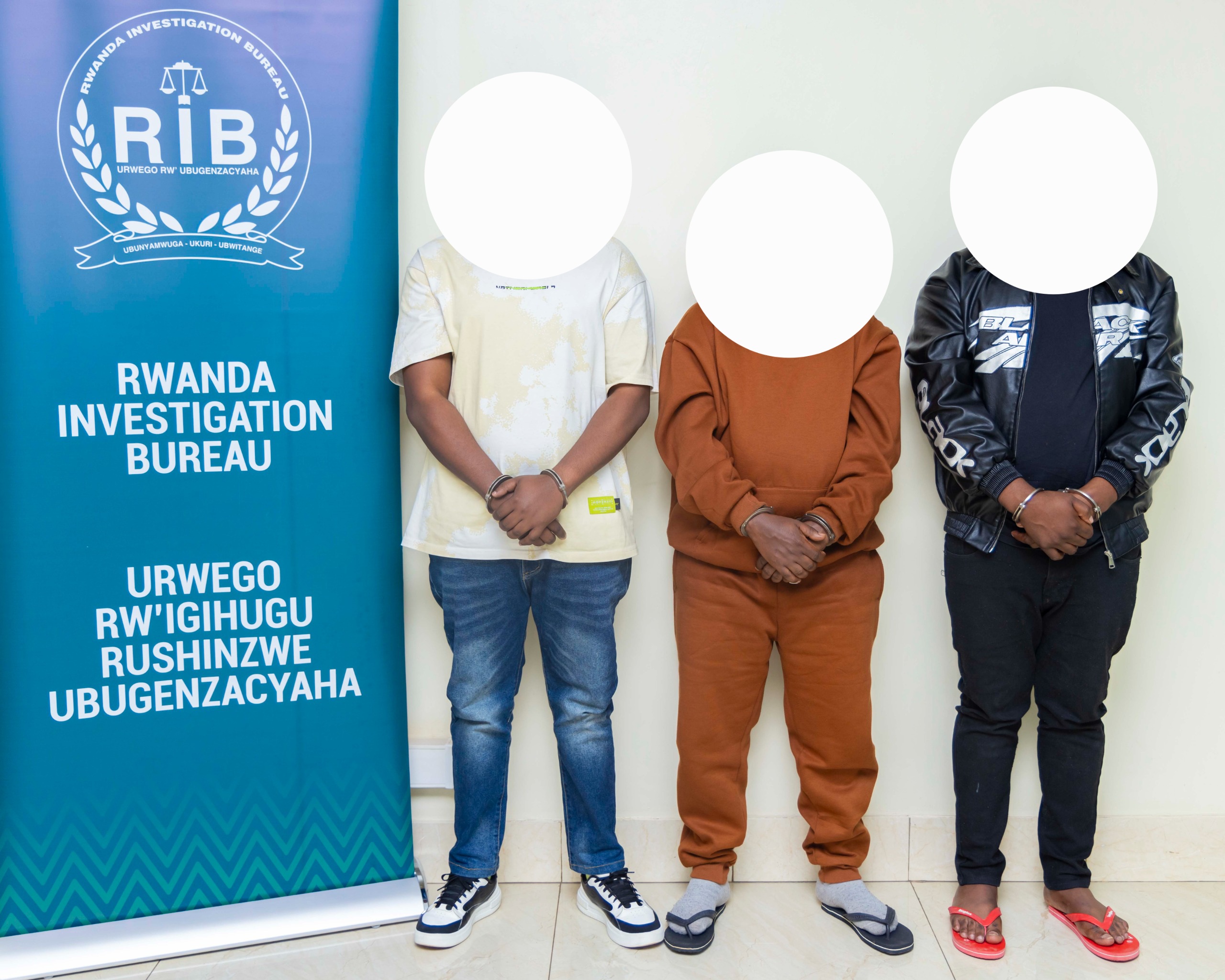
Rwanda Police: Public Parading of Suspects Amid Alcohol Crisis
Summary
- Rwanda's alcohol crisis has reignited a debate over the public parading of suspects.
- The practice is not explicitly prohibited by Rwanda's Criminal Procedure Code but raises concerns about individual rights and dignity.
- Critics argue that this method undermines the code's emphasis on respecting individuals' privacy during investigations.
- The government's response to this issue may lead to changes in the country's criminal procedure code.
What Happened
The public parading of suspects is not explicitly prohibited by Rwanda's Criminal Procedure Code.
Rwanda's alcohol crisis has reignited a contentious issue: the public parading of suspects. The controversy centers around the practice of police and investigators repeatedly displaying individuals suspected of crimes in public, often with their faces obscured or covered. This phenomenon has been observed in various parts of Rwanda, sparking heated debates among locals and experts alike. The latest instance of this practice occurred in Kigali, where several individuals were paraded through the streets as part of an investigation into a string of violent incidents linked to excessive drinking.
Legal Context
The public parading of suspects is not explicitly prohibited by Rwanda's Criminal Procedure Code. However, critics argue that this practice undermines the rights and dignity of those being investigated. The code emphasizes the importance of respecting individuals' privacy and protecting their reputation during investigations. Nevertheless, the police have continued to employ this method, citing concerns about maintaining public order and preventing further violence. This has led some to question whether the current laws are sufficient in addressing the issue or if changes are needed to prevent such practices.
Why It Matters
The ongoing debate surrounding the public parading of suspects highlights the need for a more nuanced approach to law enforcement and investigation methods. As Rwanda grapples with its alcohol crisis, it is essential to reassess the balance between maintaining public safety and upholding individual rights. The government's response to this issue will likely have far-reaching implications for the country's criminal procedure code, making it crucial for lawyers and experts to closely monitor developments in this area.
Practical Implications
Lawyers should watch for potential changes to Rwanda's criminal procedure code, particularly with regards to public parading of suspects, as the government responds to the alcohol crisis.
Source
Source: Original reporting via KT PRESS
How does this affect you?
Get an AI analysis of this article grounded in your jurisdictions, practice areas, and any policy documents you've uploaded to Wansom.
Wansom is AI and can make mistakes.