
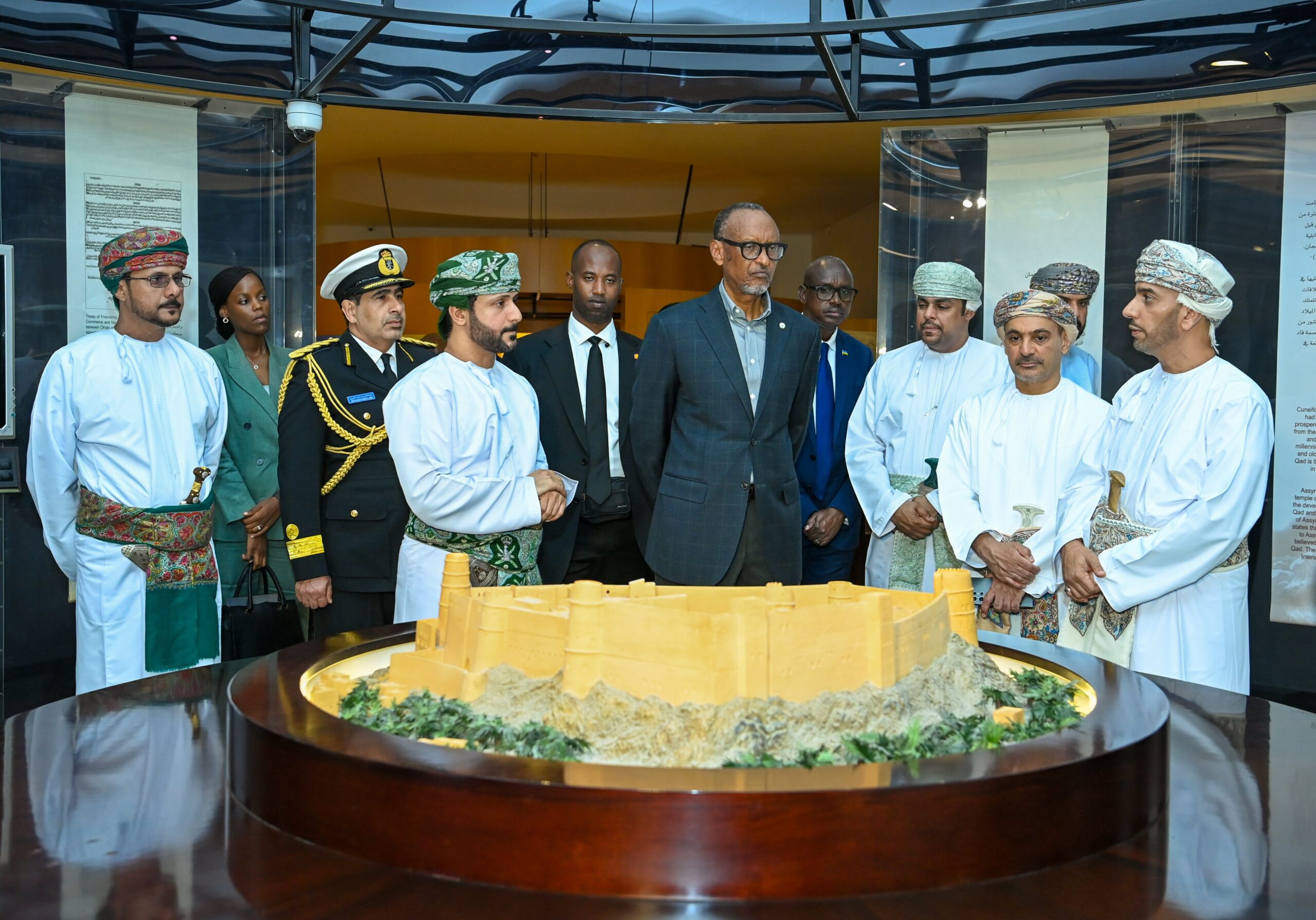
Rwanda Oman Inland Dry Port Planning Advances After Kagame Visit
Summary
- Rwanda and Oman are advancing plans for further inland dry port development and deepening trade ties, following President Paul Kagame's visit to Salalah.
- During the visit, two agreements were signed covering mutual visa exemption and the avoidance of double taxation, alongside six MoUs on logistics, dry port development, and investment promotion.
- This cooperation builds on a January 2026 program for logistics services and dry port development, aiming to expand existing partnerships and leverage both nations' expertise.
- Rwanda operates the Masaka Inland Container Depot (Kigali Logistics Platform), while Oman has the Khazaen Dry Port and is developing additional capacity.
- The partnership seeks to explore joint approaches to dry port development, integrate supply chains, and strengthen investment partnerships across various sectors.
Deepening Bilateral Ties and Logistics Ambitions
The newly signed MoUs are expected to facilitate joint approaches to inland port development, promote the exchange of expertise, and enhance the integration of supply chains between the two countries.
Rwanda and Oman are actively advancing their collaborative efforts in developing inland dry ports, a key component of their broader strategy to strengthen trade and logistics connections. This strategic push follows a series of significant agreements and memoranda of understanding (MoUs) signed during Rwandan President Paul Kagame's inaugural official visit to Oman. The President arrived in Salalah on Monday, September 7, for a two-day visit, where he was formally welcomed by Sultan Haitham bin Tarik at Al Hosn Palace with full ceremonial honors, including a 21-gun salute and the playing of the Rwandan national anthem.
During high-level discussions, Sultan Haitham extended a warm welcome to President Kagame as a "dear guest," expressing wishes for a successful visit for him and his delegation. The leaders subsequently engaged in official talks, focusing on expanding cooperation and investment across critical sectors such as mining, renewable energy, food security, land ports, logistics, and healthcare. The overarching goal of these discussions was to foster investment partnerships that mutually benefit both nations. Senior officials from both sides, including Rwandan ministers responsible for foreign affairs, finance, trade and industry, and agriculture, alongside representatives from the Rwanda Development Board, participated in these pivotal talks. The visit concluded with Sultan Haitham hosting an official dinner for President Kagame and his delegation, preceded by an exchange of commemorative gifts.
Key Agreements and Legal Frameworks
The recent visit saw the formalization of two key agreements and six memoranda of understanding at Al Hosn Palace. The agreements establish mutual visa exemption for holders of diplomatic, service, and special passports, and crucially, provide for the avoidance of double taxation. These legal frameworks are designed to streamline travel and reduce financial barriers for businesses and individuals operating between the two countries, fostering a more conducive environment for trade and investment.
The six MoUs cover a wide array of cooperative areas, including agriculture, logistics, land and dry port development, supply chain services, investment promotion, labor, strategic partnership, and investment activation. These comprehensive Rwanda Oman logistics agreements build upon earlier cooperation, specifically a program signed in January 2026 following a visit by a Rwandan delegation led by Foreign Minister Olivier Nduhungirehe. That initial program focused on logistics services and the development and operation of inland, or dry, ports and related supply-chain services. Both nations anticipate that the latest MoUs will significantly expand this existing partnership, enabling them to leverage their respective facilities and expertise more effectively.
Existing Infrastructure and Future Dry Port Development
Both Rwanda and Oman possess valuable experience in developing and operating inland dry ports, which forms a strong foundation for their collaborative Rwanda Oman inland dry port planning. Rwanda currently operates a significant inland dry port known as the Masaka Inland Container Depot, also referred to as the Kigali Logistics Platform or DP World Kigali. This facility, which opened in 2019, is managed by DP World under a long-term concession agreement. Located approximately 20 kilometers from central Kigali, it boasts an annual capacity of roughly 50,000 TEUs and plays a vital role in connecting landlocked Rwanda by road to the major seaports of Mombasa in Kenya and Dar es Salaam in Tanzania.
Oman also demonstrates considerable expertise in this sector, with its flagship Khazaen Dry Port serving as the nation's first integrated inland dry port. Operated under the Asyad Group, this facility is strategically linked to key seaports, including Sohar. Furthermore, Oman is actively expanding its dry-port capacity with new developments near its border with Saudi Arabia. The newly signed MoUs are expected to facilitate joint approaches to inland port development, promote the exchange of expertise, and enhance the integration of supply chains between the two countries. This cooperation could lead to the establishment of another inland container depot in Rwanda or the expansion of existing facilities, leveraging Rwanda's experience as an East African logistics hub and Oman's proficiency in linking dry ports with seaports, free zones, and regional trade corridors.
Strategic Implications for Trade and Investment
The ongoing Oman Rwanda trade cooperation, particularly in logistics and dry port development, signifies a strategic alignment aimed at bolstering regional and international trade routes. The focus on Rwanda dry port development plans and enhanced logistics capabilities is crucial for landlocked Rwanda, offering improved access to global markets and reducing transit times and costs for goods. For Oman, it provides an opportunity to extend its logistical reach into East Africa, leveraging its advanced port infrastructure and strategic geographical position.
Beyond logistics, the broader partnership, including the avoidance of double taxation and investment promotion MoUs, is designed to attract and protect foreign direct investment. This comprehensive approach, which also encompasses energy cooperation and the recent launch of direct SalamAir flights between Muscat and Kigali in July 2026, underscores a concerted effort to deepen economic ties. The agreements signed during President Kagame's visit are considered the most significant steps taken to date in strengthening the burgeoning relationship between Rwanda and Oman, paving the way for substantial growth in bilateral trade and investment.
Practical Implications
Lawyers advising clients in logistics, trade, and investment between Rwanda and Oman should monitor the progress of these dry port and logistics agreements. This development signals new trade routes and investment opportunities, requiring counsel on future contractual frameworks, customs procedures, and potential tax implications from the double taxation agreement.
Source
How does this affect you?
Get an AI analysis of this article grounded in your jurisdictions, practice areas, and any policy documents you've uploaded to Wansom.
Finish Reading the Full Story and the Expert Analysis.
Wansom is AI and can make mistakes.