
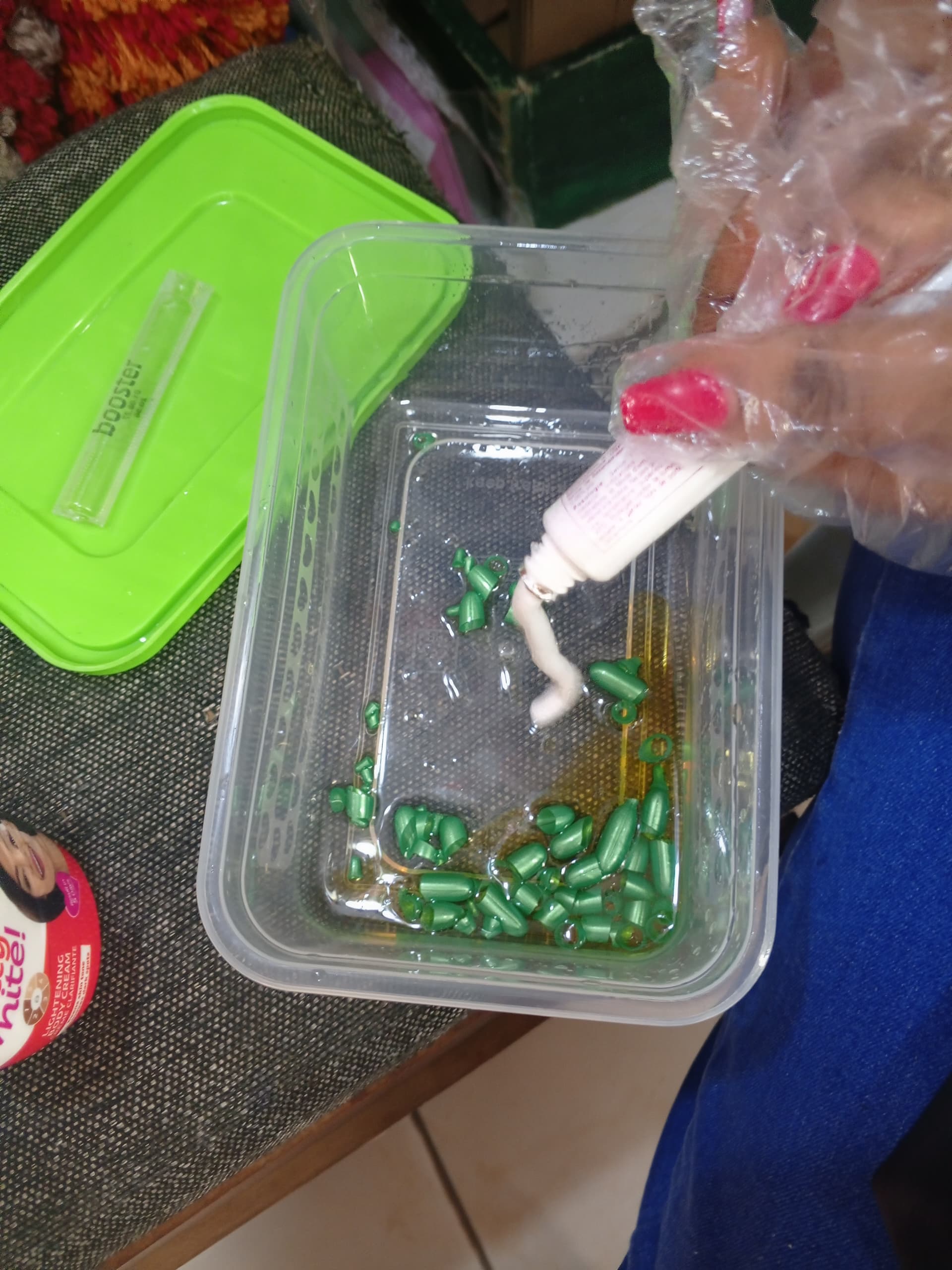
Rwanda: Illegal Skin Lightening Cream Still Sold in Nyamata Market
Summary
- A trader in Nyamata market, Bugesera District, offered a custom skin-lightening cream for Rwf15,000 ($11).
- The vendor claimed the cream could change a customer's complexion within a week and issued a warning about its use.
- Other cosmetic traders reportedly offer similar products for as low as Rwf13,000, promising customers their "skin of choice."
- This activity occurs despite Rwanda's national ban on various skin-lightening agents and products.
- The incident highlights ongoing challenges in enforcing Rwandan cosmetic regulations against illegal products.
What Happened
Ensuring strict compliance is paramount for mitigating potential enforcement actions from regulatory bodies, avoiding significant financial penalties, and effectively safeguarding against consumer protection claims that could arise from the distribution or sale of non-compliant or potentially harmful products.
A vendor operating within Nyamata market, situated in Rwanda's Bugesera District, recently made an offer to create a customized skin-lightening cream for a prospective customer. This individual asserted that the specially mixed product possessed the capability to significantly alter a user's complexion in as short a timeframe as one week. The price quoted for this personalized cosmetic solution was Rwf15,000, which translates to approximately $11 USD. Notably, the trader also conveyed a warning concerning the use of the concoction, although the precise details of this caution were not specified in the interaction. This particular incident underscores the continued availability of such products, with some traders in the market reportedly advertising similar offerings for prices beginning at Rwf13,000 and promising clients their "skin of choice."
Regulatory Framework
This specific market activity in Bugesera District directly contravenes Rwanda's established and stringent cosmetic regulations. The nation has enacted a comprehensive ban targeting various skin-lightening agents and any products containing these prohibited substances. This prohibition forms a critical component of a broader governmental initiative aimed at safeguarding public health and actively combating the widespread circulation of potentially hazardous cosmetic formulations. The Rwandan government's firm stance on this matter is rooted in significant concerns regarding the severe adverse health effects, including skin damage, kidney failure, and neurological issues, that are frequently associated with the unregulated and often dangerous practices of skin bleaching.
Prevalence and Enforcement Challenges
Despite the clear and unambiguous legal framework prohibiting such sales, the reported offering of an illegal skin lightening cream in Nyamata market indicates that these products remain disturbingly accessible in certain regions. The allure of rapid complexion change and the promise of customized solutions, frequently advertised by some vendors, point to a persistent underlying demand for these banned cosmetic items among consumers. Enforcement agencies face considerable hurdles in effectively monitoring informal markets and individual traders who often operate discreetly, outside of conventional, regulated retail channels. The continued availability of these products, even at relatively low price points starting from Rwf13,000, highlights the ongoing and complex struggle to completely eradicate the trade in prohibited cosmetics throughout the country.
Legal and Business Implications
The ongoing presence of illegal skin lightening cream offerings in local markets, such as the one observed in Nyamata, carries substantial legal and reputational risks for all entities involved in the cosmetic supply chain. Businesses operating within Rwanda's dynamic cosmetic sector are therefore mandated to meticulously adhere to national regulations, which explicitly outlaw specific skin-lightening agents. Legal professionals tasked with advising cosmetic companies in Rwanda are strongly encouraged to undertake thorough and proactive reviews of their clients' product formulations, ingredient lists, and all associated marketing strategies. Ensuring strict compliance is paramount for mitigating potential enforcement actions from regulatory bodies, avoiding significant financial penalties, and effectively safeguarding against consumer protection claims that could arise from the distribution or sale of non-compliant or potentially harmful products.
Practical Implications
Lawyers advising cosmetic businesses in Rwanda should review their clients' product formulations and marketing practices to ensure compliance with national regulations prohibiting certain skin-lightening agents, mitigating risks of enforcement actions and consumer protection claims.
Source
Source: Original reporting via KT PRESS
How does this affect you?
Get an AI analysis of this article grounded in your jurisdictions, practice areas, and any policy documents you've uploaded to Wansom.
Finish Reading the Full Story and the Expert Analysis.
Get the latest legal & regulatory intelligence in Rwanda
Wansom is AI and can make mistakes.