
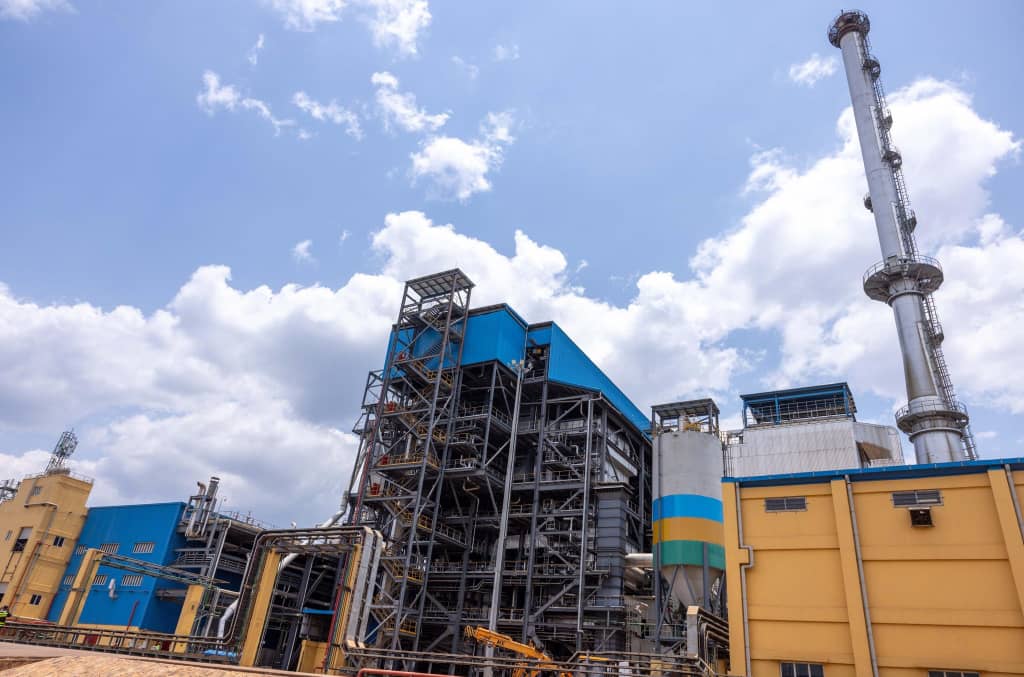
Rwanda: Hakan Power Plant Secures New Investor to Boost Peat-to-Power Capacity
Summary
- Rwanda's government is seeking a new investor for the struggling Gisagara peat-fired power plant, which has been operating at only about 30% capacity.
- The facility was designed to generate 70 megawatts of electricity but has struggled due to challenges related to peat extraction.
- The new investor will explore solutions to allow peat extraction to continue during rainy seasons and ensure a more reliable supply of fuel.
Why It Matters
The government had identified a new investor who will assess how to increase peat production and ensure a more reliable supply of fuel throughout the year.
Rwanda's energy supply is set to receive a boost with the government's plans to bring in a new investor for the struggling Gisagara peat-fired power plant. The facility, which was designed to generate 70 megawatts of electricity, has been operating at only about 30% capacity due to challenges related to peat extraction. With the introduction of a new partner, officials hope to increase production and ensure a more reliable supply of fuel throughout the year.
The government's efforts are part of a broader strategy to unlock Rwanda's domestic energy resources, including its estimated 155 million tonnes of peat reserves covering approximately 50,000 hectares. The country aims to leverage these resources to meet growing demand for electricity and reduce reliance on imported fuels.
However, the success of this initiative will depend on the new investor's ability to address the operational challenges at the Gisagara facility, including climate-related changes and infrastructure limitations.
What Happened
The Gisagara peat-fired power plant, operated by Turkish firm Hakan Power Plant, was commissioned in 2021 after four years of construction. Despite its installed capacity of about 80 MW, the facility has struggled to meet expectations due to issues related to peat extraction. The main fuel used to generate electricity at the facility is vulnerable to disruptions during rainy seasons, affecting production.
The plant's management has previously cited climate-related changes and infrastructure limitations as major factors affecting operations. For instance, rising water levels in the nearby Akanyaru River have affected peat deposits, with flooding washing away areas previously identified for extraction.
To address these challenges, the new investor will explore solutions to allow peat extraction to continue even during rainy seasons, including storing fuel for use during this time.
Legal and Regulatory Context
Rwanda's energy sector is governed by a range of laws and regulations aimed at promoting sustainable development and ensuring reliable access to electricity. The country has identified peat as one of its domestic energy resources, with the government now seeking to leverage these reserves to meet growing demand for electricity.
The new investment partnership will be subject to relevant regulatory approvals, including those related to environmental impact assessments and land use planning. Officials have emphasized the importance of ensuring that the facility operates in compliance with all applicable laws and regulations.
Practical Implications
Lawyers and compliance officers should watch for the potential impact on energy supply and pricing in Rwanda, as well as any new regulatory requirements or incentives that may be introduced to support peat-based power generation.
Source
Source: Original reporting via Briefly
How does this affect your business?
Get an AI analysis of this article grounded in your jurisdictions, practice areas, and any policy documents you've uploaded to Wansom.
Wansom is AI and can make mistakes.