
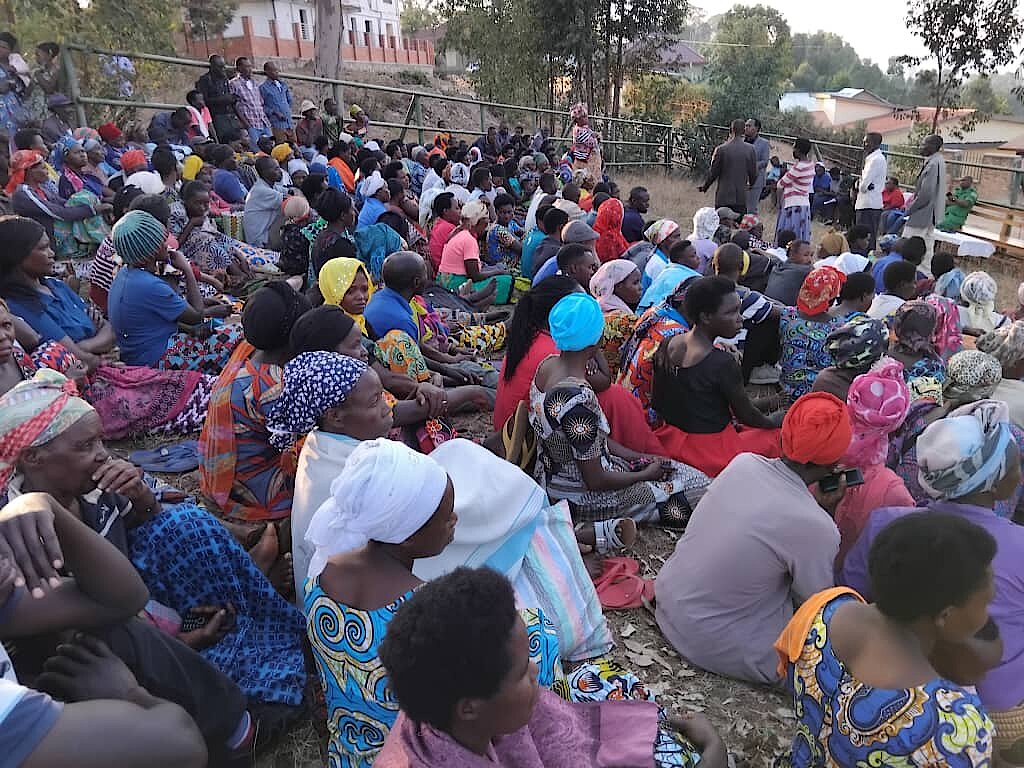
Rwanda: New Child Protection System Targets Irresponsible Parents
Summary
- Rwanda has introduced a new government child protection system.
- This mechanism raises questions about the government's intent to remove children from 'irresponsible' parents.
- 'Irresponsible' parents are characterized as those struggling to provide basic needs like food and housing.
- The system acknowledges that neighbors are often aware of families facing such difficulties.
Introduction to Rwanda's New Child Protection System
A central question that has emerged concerning this new initiative is whether the government intends to remove children from parents identified as 'irresponsible' under the framework of this new child welfare mechanism.
Rwanda has introduced a new government mechanism aimed at enhancing child protection, marking a potentially significant evolution in state involvement regarding family welfare. This comprehensive system is designed to address circumstances where children's well-being might be compromised due to parental struggles. A central question that has emerged concerning this new initiative is whether the government intends to remove children from parents identified as 'irresponsible' under the framework of this new child welfare mechanism. This development underscores a more active role for the state in ensuring that children's fundamental needs are consistently met across the nation.
The primary focus of this new child protection system is directed towards families where parents face difficulties in providing essential necessities for their children. These crucial provisions encompass, but are not limited to, adequate food, suitable and safe housing, and other basic requirements indispensable for a child's healthy growth and development. The mechanism also explicitly acknowledges the role of community observation, noting that neighbors are frequently aware of families grappling with these specific types of struggles. This community awareness could potentially inform the application of the new governmental framework, highlighting a localized component in identifying children who may be at risk.
Defining Parental Responsibility Under the New Mechanism
Within the context of Rwanda's newly established government mechanism for child protection, the definition of 'irresponsible' parenting appears to be intrinsically linked to a parent's demonstrated capacity to fulfill a child's most fundamental requirements. The system specifically targets parents who struggle to consistently provide basic necessities, such as adequate nutrition, safe and decent housing, and other essential provisions that are vital for a child's overall well-being. This implies that under this Rwandan parental responsibility law, the state may consider intervention when these core needs are not met due to persistent parental difficulties.
The framework recognizes that the challenges faced by parents in providing these basic needs are often visible and known within their immediate communities. Neighbors, for instance, are frequently aware of families experiencing such profound struggles, including those related to food security and housing. This community insight could serve as an important indicator for the new system, potentially flagging situations where children might be living in environments where their basic needs are not consistently met. The emphasis is placed on ensuring that children do not suffer from a lack of fundamental support, prompting the government to consider measures that could include direct intervention.
Potential Impact and Community Awareness
The introduction of this new child protection system in Rwanda carries substantial implications for families, particularly those confronting economic hardship or other systemic challenges that impede their ability to adequately provide for their children. The most pressing concern raised by this government mechanism is the potential for children to be removed from their homes if their parents are classified as 'irresponsible' based on their inability to supply basic needs. This could lead to increased scrutiny of households struggling with poverty or other systemic issues, potentially altering the dynamics of parental rights and state oversight under Rwanda family law changes.
The system's focus on parental struggles in providing food, decent housing, and other basic needs suggests a proactive and potentially interventionist approach to child welfare, indicating a shift in the Rwandan government child removal policy. The explicit mention that neighbors are often aware of these struggles indicates a community-level observation component, which could play a significant role in the identification and assessment processes of this new mechanism. This raises important questions about the specific criteria for state intervention, the support systems available to families before such drastic measures as child removal are considered, and the overall impact on family autonomy within Rwanda's evolving legal landscape.
Practical Implications
Lawyers practicing family law in Rwanda must closely monitor the specifics of this new child protection mechanism to advise clients on parental rights, potential state interventions, and the criteria for 'irresponsible' parenting that could lead to child removal.
Source
Source: Original reporting via KT PRESS
How does this affect you?
Get an AI analysis of this article grounded in your jurisdictions, practice areas, and any policy documents you've uploaded to Wansom.
Finish Reading the Full Story and the Expert Analysis.
Get the latest legal & regulatory intelligence in Rwanda
Wansom is AI and can make mistakes.