
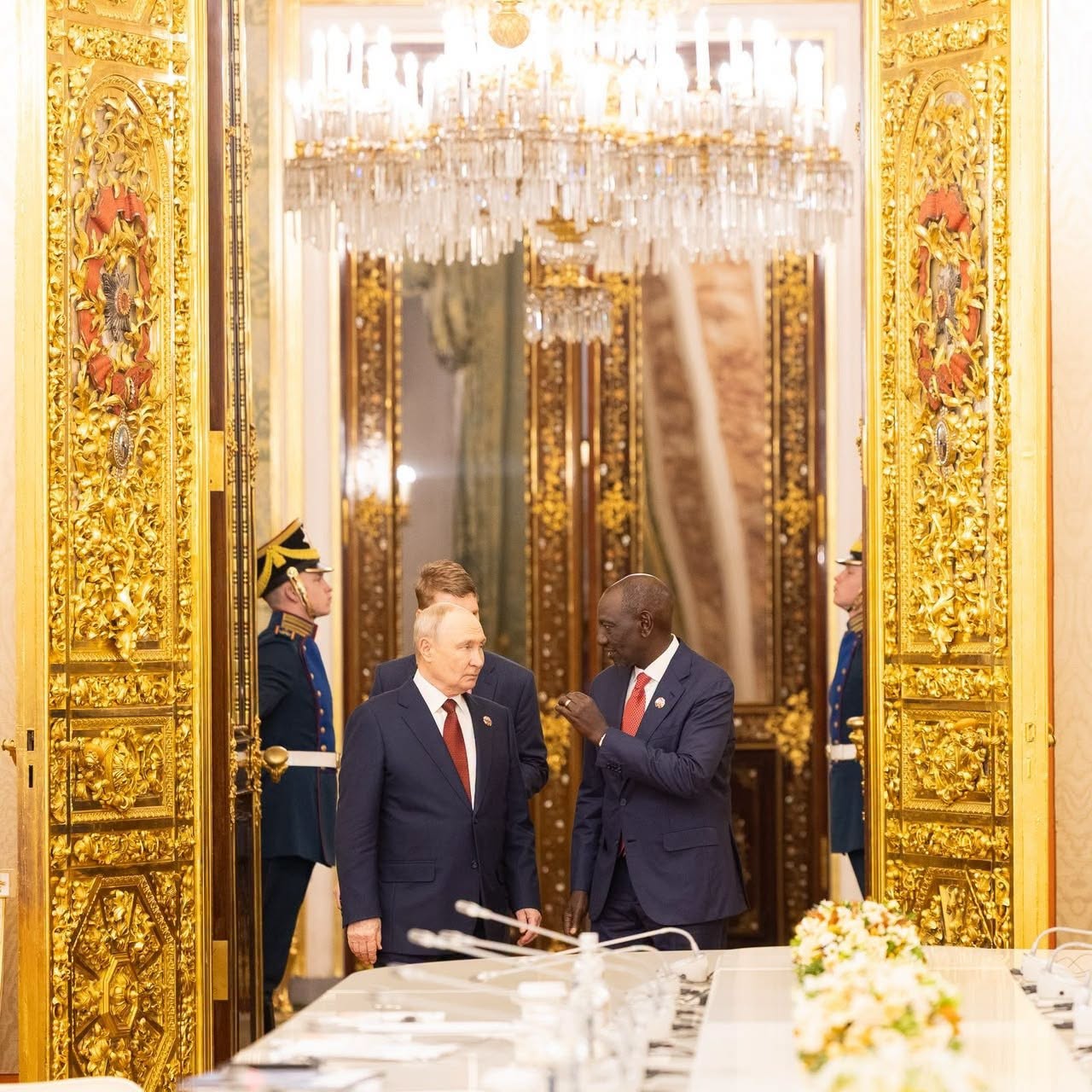
Ruto, Putin Halt Kenyan Military Recruitment; Kenya Non-Source Country
Summary
- Presidents Ruto and Putin have agreed to stop the recruitment of Kenyan citizens into the Russian military.
- Kenya has been officially designated as a non-source country for military recruitment following this agreement.
- Nairobi will appoint a Defence Attaché to Russia to manage the repatriation and compensation of affected Kenyans.
- This diplomatic action addresses the issue of Kenyan foreign fighters in Russia and sets a new policy for military recruitment.
What Happened
Lawyers should note the new policy designating Kenya as a non-source country for foreign military recruitment, which has implications for individuals considering or currently engaged in foreign military service.
Following high-level discussions, an understanding has been reached between Kenyan President William Ruto and Russian President Vladimir Putin to cease the enlistment of Kenyan nationals into the Russian armed forces. This significant diplomatic development aims to address the presence of Kenyan citizens within Russia's military ranks. The agreement marks a pivotal moment in bilateral relations, specifically targeting the flow of foreign fighters from Kenya to Russia.
A direct outcome of this accord is the official designation of Kenya as a non-source country for military recruitment. This new status fundamentally alters the legal and diplomatic framework surrounding Kenyan citizens' participation in foreign armed conflicts, particularly concerning the Russian military. The move underscores a commitment from both nations to regulate and ultimately halt Kenyan military recruitment by Russia.
Policy Shift and Diplomatic Action
The declaration of Kenya as a non-source country for military recruitment signifies a robust policy shift, establishing a clear stance against its citizens being recruited into foreign armies. This designation is crucial for international legal frameworks and sets a precedent for how Kenya manages its citizens' involvement in global conflicts. It reinforces the nation's sovereignty and its responsibility towards its populace, ensuring that Kenyan foreign fighters are not actively sought for service abroad.
In a concrete step to implement the terms of this agreement, the Kenyan government in Nairobi is set to appoint a dedicated Defence Attaché to Russia. This diplomatic posting is not merely symbolic; it is a strategic move designed to manage the complex aftermath of previous recruitment activities. The Attaché will serve as the primary liaison for all matters pertaining to Kenyans who had joined the Russian military.
Repatriation and Compensation Efforts
A key responsibility of the newly established Defence Attaché will be to coordinate the repatriation process for any Kenyan nationals currently serving within the Russian military. This involves intricate diplomatic negotiations and logistical arrangements to ensure the safe return of these individuals to Kenya. The focus will be on identifying those who have been recruited and facilitating their journey back home, addressing the humanitarian aspect of their involvement.
Beyond repatriation, the Defence Attaché will also be tasked with overseeing the compensation of affected Kenyans. This aspect of the agreement acknowledges the potential hardships faced by individuals who were recruited into the Russian military and seeks to provide a measure of redress. Lawyers should note the new policy designating Kenya as a non-source country for foreign military recruitment, which has implications for individuals considering or currently engaged in foreign military service.
Broader Implications
This bilateral agreement between President Ruto and President Putin to halt Kenyan military recruitment carries significant implications for international law and human rights. It establishes a framework for addressing the complex issue of foreign nationals participating in armed conflicts, particularly for countries like Kenya that have historically not been major sources of such recruitment. The policy shift ensures that Kenya is recognized as a non-source country military, reinforcing its commitment to international norms.
This development may lead to legal inquiries regarding the repatriation process for Kenyans in Russia and potential compensation claims, requiring legal advice on international agreements and national policy changes. This situation underscores the need for legal professionals to understand the nuances of international agreements and national policy changes affecting citizens abroad, particularly concerning those seeking repatriation or compensation.
Practical Implications
Lawyers should note the new policy designating Kenya as a non-source country for foreign military recruitment, which has implications for individuals considering or currently engaged in foreign military service. This development may lead to legal inquiries regarding the repatriation process for Kenyans in Russia and potential compensation claims, requiring legal advice on international agreements and national policy changes.
Source
How does this affect you?
Get an AI analysis of this article grounded in your jurisdictions, practice areas, and any policy documents you've uploaded to Wansom.
Finish Reading the Full Story and the Expert Analysis.
Wansom is AI and can make mistakes.