
Ruto Crackdown Foreign Small Traders Kenya: Exodus Underway
Summary
- President William Ruto's directive targeting foreign small traders in Kenya has prompted an exodus of foreign nationals, particularly Burundians, seeking to leave the country.
- The directive aims to reserve small-scale economic opportunities for Kenyans, with President Ruto distinguishing between genuine foreign investors and hawkers.
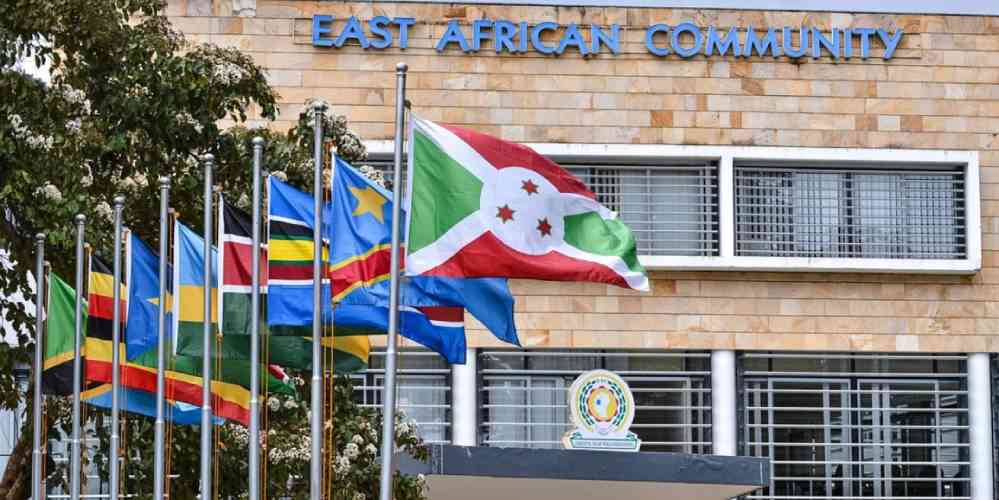
- The crackdown has raised concerns about its uniform application and potential conflict with East African Community (EAC) common market rights, affecting citizens from member states.
- Burundi's Foreign Minister Édouard Bizimana warned Kenya that continued hate speech against Burundians could strain diplomatic relations between the two nations.
- An economist has advised authorities to verify the legal permits and status of individual foreign traders to avoid unfairly penalizing those with legitimate EAC trade requirements.
Immediate Impact of the Crackdown
The directive has, however, sparked significant debate regarding its uniform application and potential conflict with regional trade agreements, particularly affecting citizens from East African Community member states.
President William Ruto's directive targeting foreign small traders in Kenya has taken immediate effect, leading to heightened tension across Nairobi. The capital city has witnessed a notable surge in Burundian nationals seeking assistance at their embassy, with queues forming as early as 7 AM for documentation and travel facilitation back to Burundi. Social media has also captured scenes of anxious foreign nationals at Nairobi's Country Bus Station, scrambling for limited bus seats bound for neighboring countries like Burundi, Rwanda, and the Democratic Republic of Congo, indicating a rush to leave Kenya.
This swift implementation of the Ruto crackdown on foreign small traders in Kenya has generated considerable concern among foreign nationals, particularly those operating small businesses within Nairobi's bustling informal markets. Reports and images circulating online suggest instances of harassment against these individuals while they conducted their daily business, such as selling coffee and mandazi in areas like Gikomba. Furthermore, numerous cybercafes in Nairobi's Central Business District have observed an increased demand from foreigners looking to update or process essential travel documents, underscoring the widespread impact of the directive.
Presidential Rationale and Policy
The current enforcement follows President Ruto's explicit directive issued last week, which mandated that foreign nationals engaged in small-scale businesses must cease their operations. The President articulated his stance by stating that such economic activities should be exclusively reserved for Kenyan citizens. He unequivocally declared, "All those traders and hawkers doing these small businesses should close down, and if they don’t do that…"
President Ruto further elaborated that his government's primary objective is to safeguard economic opportunities for Kenyans. He drew a clear distinction between genuine foreign investors, whom Kenya actively seeks to attract, and small-scale traders or hawkers. "We have not built investor confidence so that hawkers can come to Kenya. The investor confidence we have built is for investors to come to Kenya, not hawkers and traders. People should not confuse us," he asserted, emphasizing that the Kenya foreign small business directive is aimed at differentiating between these two categories of foreign economic engagement.
Legal and Diplomatic Fallout
The directive has, however, sparked significant debate regarding its uniform application and potential conflict with regional trade agreements, particularly affecting citizens from East African Community (EAC) member states. Nationals from Burundi, Uganda, Tanzania, and Rwanda, who are typically afforded certain rights under the EAC Common Market framework, subject to national laws and regulations, are among those most impacted by the Kenya foreign small business directive.
Tensions escalated after Burundi's Foreign Minister, Édouard Bizimana, issued a stern warning that continued hate speech targeting Burundians could strain Burundi Kenya trade relations. In a post on X, tagging Kenya's Parliament, Bizimana stated, "Kenyans live peacefully in Burundi. But if this hate speech against Burundi continues, things will certainly change. Kenya’s government is responsible for the lives of Burundians living in Kenya." This public statement emerged amidst growing online discussions and complaints concerning the treatment of Burundian nationals in Kenya. Concurrently, Kenyan lawmakers have voiced concerns about foreign worker permits in Kenya, with one legislator alleging that some construction firms favor Burundian labor due to its lower cost compared to hiring Kenyans.
Economist Martin Wangwe cautioned against implementing broad measures based solely on nationality. He stressed the importance of verifying whether individual foreign traders possess the necessary permits and legal status to operate in Kenya, noting that some may meet EAC requirements for trade. Wangwe highlighted the risk that individuals with legitimate EAC common market rights in Kenya could be unfairly grouped with those operating without proper authorization, urging authorities to avoid blanket condemnation without due diligence on Kenya immigration small businesses.
Broader Implications
The ongoing situation underscores a complex interplay between national economic protectionism, regional integration commitments, and diplomatic relations. President Ruto's foreign hawkers directive, while aimed at bolstering local economic opportunities, has ignited a critical discussion about the legal standing of foreign small business operators within Kenya, especially those from neighboring EAC countries.
This development not only creates uncertainty for foreign nationals engaged in small-scale trade but also poses questions about the interpretation and enforcement of EAC common market rights Kenya. The debate extends to how foreign small business operators should be classified—whether as self-employed individuals, traders, or proprietors—and whether their activities fall within the scope of rights granted under regional protocols, making the legal landscape for Kenya immigration small businesses increasingly intricate.
Practical Implications
Lawyers should advise foreign clients operating small businesses in Kenya, particularly EAC nationals, on their legal status and potential exposure to President Ruto's directive. This includes assessing compliance with immigration laws and EAC common market protocols, and preparing for potential enforcement actions or legal challenges.
Source
How does this affect you?
Get an AI analysis of this article grounded in your jurisdictions, practice areas, and any policy documents you've uploaded to Wansom.
Finish Reading the Full Story and the Expert Analysis.
Wansom is AI and can make mistakes.