
Rupert Lowe: Middle Temple Call Controversy Ignites UK Legal Diversity Debate
Summary
- Rupert Lowe, an MP and chair of Restore Britain, used a Middle Temple call ceremony photo to suggest discrimination against white Britons.
- Liberal Democrat MP Al Pinkerton condemned Lowe's post in the House of Commons, citing "racialised abuse" it attracted.
- MP and barrister Karl Turner clarified that Middle Temple welcomes overseas students, who are vital to UK Bar schools and contribute to a "British success story."
- Barrister Max Hardy and former MP Anna Soubry also defended the presence of overseas students, noting their role in global legal practice and the appeal of English common law.
The Middle Temple Call Controversy
Turner argued that the presence of international students is crucial for the vitality of Bar schools, describing their contribution as a 'British success story' rather than evidence of discrimination, and urged for it to be celebrated.
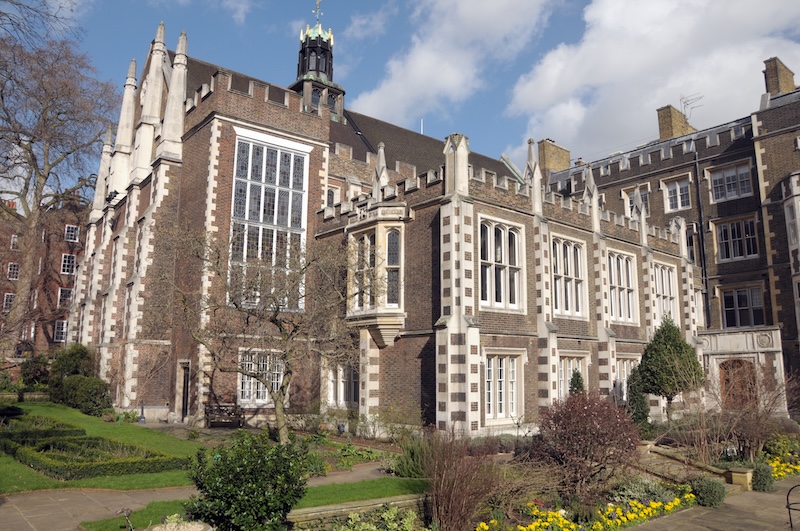
The recent call ceremony at Middle Temple, celebrating 80 new barristers, sparked a significant public debate after a photograph of the event was shared online. The Inn of Court had posted the image on X to congratulate its newest members on their admission to the bar. However, Rupert Lowe, an MP and chair of Restore Britain, subsequently reposted the image, adding a comment that ignited widespread criticism.
Lowe's accompanying text stated, "To those who still say White British men and women face no discrimination in our country, show them this image." This remark was interpreted as an assertion that the composition of the newly called barristers indicated discrimination against white Britons, drawing immediate condemnation from various political figures and legal professionals. The incident quickly became a focal point for discussions surrounding diversity within the UK legal profession.
Political and Legal Rebuttals
The controversy escalated rapidly, prompting a strong rebuke in the House of Commons. Liberal Democrat MP Al Pinkerton addressed the issue, informing his fellow MPs that Lowe's post had become a magnet for "the most appalling racialised abuse," originating even from some members of the House. Pinkerton underscored the importance of recognizing the global influence of English common law and the international achievements of the UK's legal institutions as sources of national pride.
Further challenging Lowe's narrative, Karl Turner, an MP and barrister who is also a member of Middle Temple, accused Lowe of prematurely drawing conclusions. Turner clarified that Middle Temple offers multiple call dates throughout the year for its students. He expressed deep pride in the Inn's long-standing tradition of welcoming overseas students as lifelong members, highlighting that these students are attracted by the world-class legal education offered in the UK. Turner argued that the presence of international students is crucial for the vitality of Bar schools, describing their contribution as a "British success story" rather than evidence of discrimination, and urged for it to be celebrated.
Upholding Global Legal Excellence
The sentiment that the UK's legal education attracts global talent was echoed by other legal figures. Barrister Max Hardy pointed out the enduring appeal of English legal training for individuals from Commonwealth nations. He suggested that the continued desire of law students from these countries to train in the birthplace of Common Law should be a point of national celebration, directly countering Lowe's negative framing.
Adding to this perspective, former MP and barrister Anna Soubry labeled Lowe's comments as "ignorant." She clarified that many overseas students called to the bar in England and Wales ultimately return to their home countries to practice law, underscoring the international reach and utility of a UK legal qualification. These responses collectively emphasized the significant role of international students in the UK legal ecosystem and the global prestige of its common law system, framing their presence as a benefit rather than a sign of domestic disadvantage.
Practical Implications
This article highlights the ongoing public and political scrutiny regarding diversity within the UK legal profession, particularly concerning the composition of newly called barristers and the role of overseas students. Lawyers and legal institutions should be aware of the potential for public misinterpretation or politicization of diversity statistics and be prepared to articulate the value and global reach of the English common law system, including the contributions of international legal talent, to counter potentially damaging narratives.
Source
How does this affect you?
Get an AI analysis of this article grounded in your jurisdictions, practice areas, and any policy documents you've uploaded to Wansom.
Finish Reading the Full Story and the Expert Analysis.
Get the latest legal & regulatory intelligence in United Kingdom
Wansom is AI and can make mistakes.