
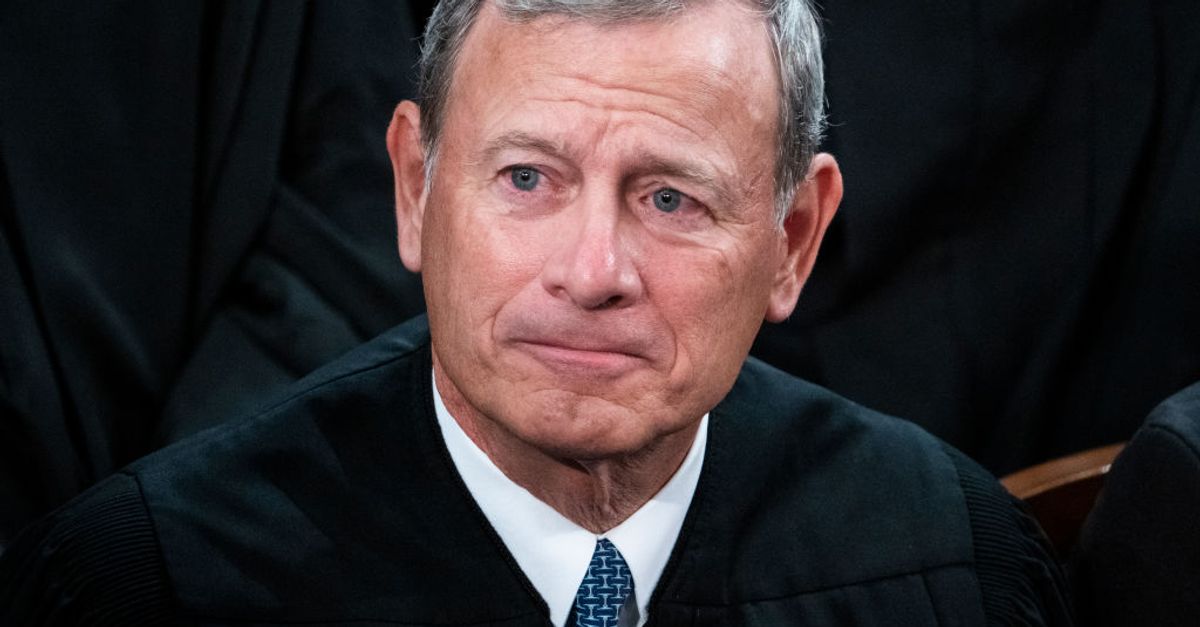
Chief Justice John Roberts: Long Game on Executive Power Realized
What Happened
Please note that SCOTUS Outside Opinions constitute the views of outside contributors and do not necessarily reflect the opinions of SCOTUSblog or its staff.***One of Chief Justice John Roberts’ most enduring commitments has been to expanding presidential power. In that regard, Roberts has long opposed Congress’ limits on the president’s authority to remove the officers heading the nation’s executive agencies. Indeed, as far back as 1983, Roberts, serving in the Reagan administration, wrote a memo to the White House counsel that “the time is ripe to reconsider the constitutional anomaly of independent agencies.”This summer, Roberts was able to turn his long-held goal into reality. Writing for the majority in Trump v. Slaughter, the court ruled that the president may unilaterally remove those officers leading nearly all of the nation’s federal independent agencies. Much has been written on this decision. But much less has been said on how Roberts carefully, and then all at once, guided the court to its decision in Slaughter. This not only provides insight into Roberts’ core conservative commitments but how he has wielded his power on a fractured court.***Central to this tale is the chipping away, and eventual reversal, of Humphrey’s Executor v. United States, a unanimous Supreme Court decision from 1935. In Humphrey’s, the court upheld congressional restrictions on President Franklin Roosevelt’s ability to remove a Federal Trade Commission commissioner, William Humphrey, who h
Source
How does this affect you?
Get an AI analysis of this article grounded in your jurisdictions, practice areas, and any policy documents you've uploaded to Wansom.
Finish Reading the Full Story and the Expert Analysis.
Get the latest legal & regulatory intelligence in United States
Wansom is AI and can make mistakes.