
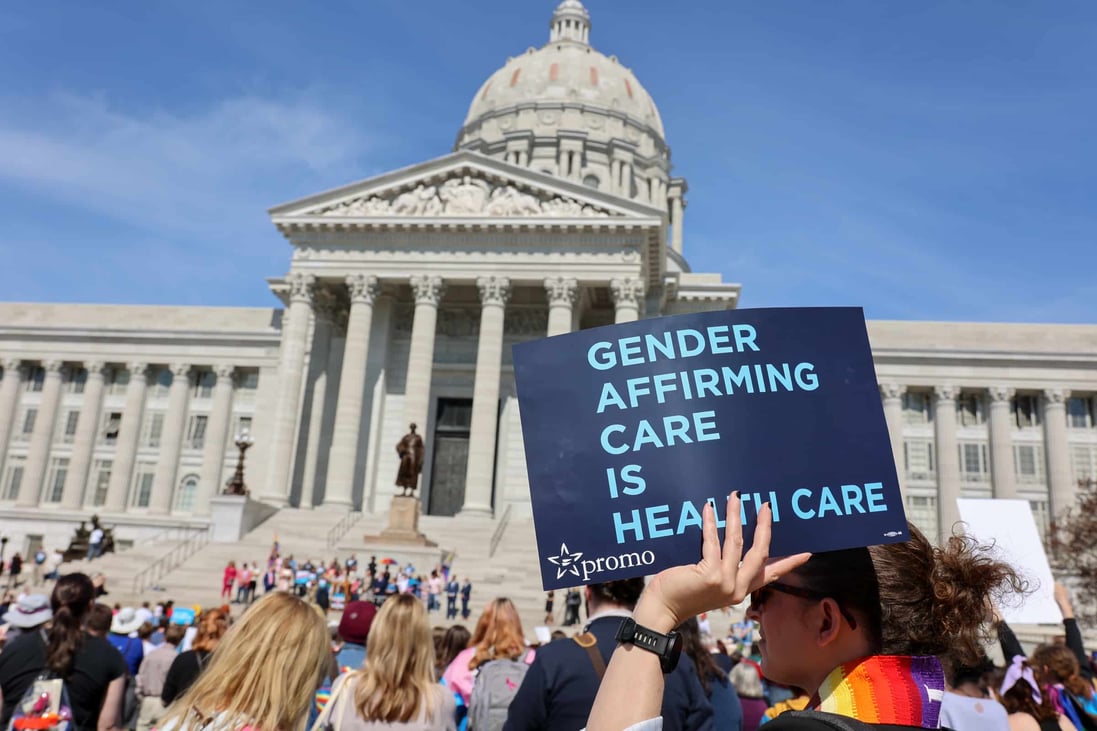
Rhode Island Hospital: Fifth Circuit Hears Challenge to DOJ Subpoena Enforcement
Summary
- Rhode Island Hospital is challenging a Justice Department subpoena for transgender youth patient records in the Fifth Circuit.
- The hospital argues the subpoena is an improper attempt to pressure it into ending gender-affirming care and was issued without due process.
- The Justice Department claims it is investigating potential violations of the Food, Drug, and Cosmetic Act by drug manufacturers promoting off-label use.
- A federal judge in Rhode Island previously quashed the subpoena, citing violations of minor patients' constitutional privacy rights and lack of legal basis.
- The case raises questions about the scope of government subpoenas, patient privacy, and the legality of off-label drug promotion.
What Happened
The legal battle surrounding the Rhode Island Hospital DOJ subpoena highlights critical issues concerning government investigative powers, patient privacy, and the provision of gender-affirming care.
Rhode Island Hospital has brought a significant challenge before the Fifth Circuit, requesting the reversal of a federal judge's directive that mandates its compliance with a Justice Department subpoena. This subpoena seeks extensive documentation, including patient records, related to the hospital's provision of gender-affirming care for transgender youth. The hospital's legal counsel, Matthew Fitzgerald, contended before a three-judge panel that the initial enforcement order was issued without affording the hospital due process, as it was entered on the very day the government filed its petition, denying the hospital an opportunity to respond.
Fitzgerald further asserted that the Justice Department's investigation into the hospital's gender-affirming care lacks a legitimate basis, arguing that the true objective is to exert pressure on the institution to cease such treatments through an overly burdensome information request. He highlighted that the federal government has previously reached settlements with at least six other hospitals that required them to discontinue similar care. To illustrate the potential for abuse of power, Fitzgerald presented a hypothetical scenario involving a future Justice Department opposed to AR-15 rifles, investigating manufacturers for alleged involvement with drug cartels, and demanding comprehensive personnel and buyer information, with the implicit offer to drop the investigation if manufacturing ceased.
Legal Context
The Justice Department, represented by attorney John Bailey, maintains that its investigation is a lawful inquiry into potential violations of the Food, Drug, and Cosmetic Act. Bailey clarified that while it is permissible for doctors in Rhode Island to prescribe puberty-blocking drugs and cross-sex hormones for gender dysphoria—an "off-label" use not approved by the FDA—it is illegal for drug manufacturers and distributors to promote such unapproved applications. The DOJ's stated aim is to uncover evidence from Rhode Island Hospital demonstrating improper promotional activities by these manufacturers and distributors.
However, the scope of the DOJ subpoena has drawn scrutiny. U.S. Circuit Judge Irma Ramirez questioned the necessity of requesting patient records when the stated target is drug manufacturers. Judge Ramirez, an appointee of President Joe Biden, specifically asked why the investigation would not commence directly with manufacturers or why the subpoena's scope could not be limited to communications between the hospital or doctors concerning potentially misbranded drugs, rather than encompassing patient and personnel files. This line of questioning underscores a key point of contention regarding the breadth of the DOJ subpoena for transgender patient records.
Why It Matters
The legal battle surrounding the Rhode Island Hospital DOJ subpoena highlights critical issues concerning government investigative powers, patient privacy, and the provision of gender-affirming care. The initial petition for enforcement was filed in the Fort Worth division of the Northern District of Texas, an area known for its two active federal judges who are both considered deeply conservative. Chief U.S. District Judge Reed O’Connor, a George W. Bush appointee, was the judge who initially issued the enforcement order against the hospital.
Conversely, U.S. District Judge Mary McElroy, a Donald Trump appointee in Rhode Island, subsequently granted motions from both the hospital and the Rhode Island Child Advocate to quash the subpoena. Judge McElroy determined that the subpoena infringed upon the constitutional privacy rights of minor patients and lacked a proper legal foundation, noting that the hospital's practice of prescribing puberty-blocking drugs and cross-sex hormones for off-label use is not, in itself, illegal. Despite these conflicting rulings, the Justice Department's attorney, John Bailey, informed the Fifth Circuit panel that the hospital is in the process of producing responsive records, with all patient information anonymized, for the Texas federal court to hold, indicating the ongoing nature of this complex legal challenge. This case, involving a Rhode Island Hospital DOJ subpoena, could set important precedents for future investigations into sensitive medical treatments and the limits of federal authority.
Practical Implications
This case highlights the ongoing legal battle over the scope and purpose of government subpoenas, particularly concerning sensitive patient data and off-label drug use. Lawyers and compliance officers should monitor this case for precedents regarding challenges to subpoena enforcement based on improper purpose, due process, and patient privacy rights, especially when dealing with politically charged medical treatments. It underscores the need for robust internal policies for responding to broad information requests and understanding the limits of government investigative powers.
Source
How does this affect you?
Get an AI analysis of this article grounded in your jurisdictions, practice areas, and any policy documents you've uploaded to Wansom.
Wansom is AI and can make mistakes.