
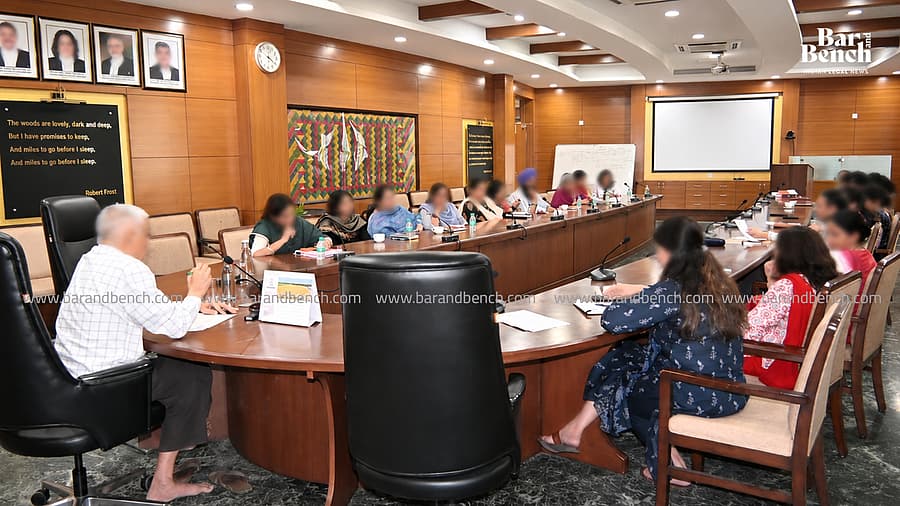
RGNUL Vice-Chancellor Jai S Singh Dispute: Faculty Grievances Unresolved
Summary
- Faculty at Rajiv Gandhi National University of Law (RGNUL) initiated a dispute on August 10, alleging misconduct by Vice-Chancellor Prof (Dr) Jai Shankar Singh.
- Allegations include irregularities in promotions, curriculum interference, opaque office functioning, and questionable appointments.
- Non-teaching staff joined the protest the next day over their own unresolved service grievances.
- The Vice-Chancellor withdrew a disputed promotion and ordered an end to the strike on August 12, but faculty continued their protest, stating underlying issues remained unaddressed.
- Faculty reported receiving no clear answers to their concerns and objected to the VC's proposed agenda for an August 31 meeting, where he also stated he would not seek a second term.
Ongoing Dispute at RGNUL
The persistence of Rajiv Gandhi National University of Law faculty grievances, even after initial administrative responses, suggests a deeper systemic issue beyond individual incidents.
A significant administrative dispute continues to embroil the Rajiv Gandhi National University of Law (RGNUL) in Patiala, with faculty members reporting that core issues remain unresolved even three weeks after initial protests began. The conflict, which centers around allegations against Vice-Chancellor Prof (Dr) Jai Shankar Singh, commenced on August 10 when RGNUL faculty issued a 48-hour notice to the university administration, demanding intervention from the Chancellor.
The faculty's initial notice outlined serious concerns regarding the Vice-Chancellor's conduct. These included claims of irregularities in promotion processes, undue interference in curriculum development, and a perceived lack of transparency in the functioning of the VC's office. Furthermore, they highlighted questionable appointments that allegedly bypassed established protocols involving the Registrar and various Deans within the institution.
The day following the faculty's notice, non-teaching staff at RGNUL also issued their own 48-hour notice, citing similar grievances related to unresolved promotions and other service-related issues. In response to the escalating situation, the Vice-Chancellor, Prof (Dr) Jai Shankar Singh, issued a directive on August 12, ordering an end to the ongoing strike and withdrawing a specific disputed promotion that had been a central point of the faculty's complaint. However, faculty members at the time asserted that these actions did not address the underlying systemic problems, leading them to continue with a pen-down strike.
Unanswered Questions and Administrative Conduct
Despite the Vice-Chancellor's initial response, faculty members expressed continued dissatisfaction, indicating that no substantive measures had been taken to resolve the deeper administrative concerns. On August 27, the faculty formally wrote to the Vice-Chancellor again, seeking clarification on his plans to address the ongoing situation. According to the faculty, they received no clear answer to their inquiry.
Subsequently, a meeting was convened by the Vice-Chancellor on August 31. Faculty members present at this meeting reported that the sole agenda item proposed by the VC was the organization of a guest lecture, which he intended to label a "National Conference." This proposal met with unanimous objection from all faculty members present, who viewed it as an inadequate response to the pressing issues at hand. During the same meeting, the Vice-Chancellor reportedly stated his lack of interest in pursuing a second term at RGNUL, indicating his intention to return to his parent institution to claim retirement benefits.
Implications for Indian Legal Education
This ongoing RGNUL Vice-Chancellor Jai Shankar Singh dispute underscores broader challenges within Indian legal education, particularly concerning governance, transparency, and faculty-administration relations. The allegations of RGNUL administrative misconduct, including opaque decision-making and bypassing established procedures, highlight the critical need for robust internal policies and clear accountability mechanisms within academic institutions.
The persistence of Rajiv Gandhi National University of Law faculty grievances, even after initial administrative responses, suggests a deeper systemic issue beyond individual incidents. The faculty's concerns about irregularities in promotions and questionable appointments point to potential vulnerabilities in institutional integrity. This case serves as a pertinent example of how unresolved internal conflicts can impact the functioning and reputation of prominent educational bodies, emphasizing the importance of effective dispute resolution frameworks and transparent leadership.
Practical Implications
This case highlights the legal and reputational risks for educational institutions stemming from allegations of administrative misconduct, opaque governance, and unresolved faculty grievances. Lawyers advising universities should review internal policies for promotions and appointments to ensure transparency and compliance, and establish clear dispute resolution frameworks.
Source
How does this affect you?
Get an AI analysis of this article grounded in your jurisdictions, practice areas, and any policy documents you've uploaded to Wansom.
Finish Reading the Full Story and the Expert Analysis.
Wansom is AI and can make mistakes.