
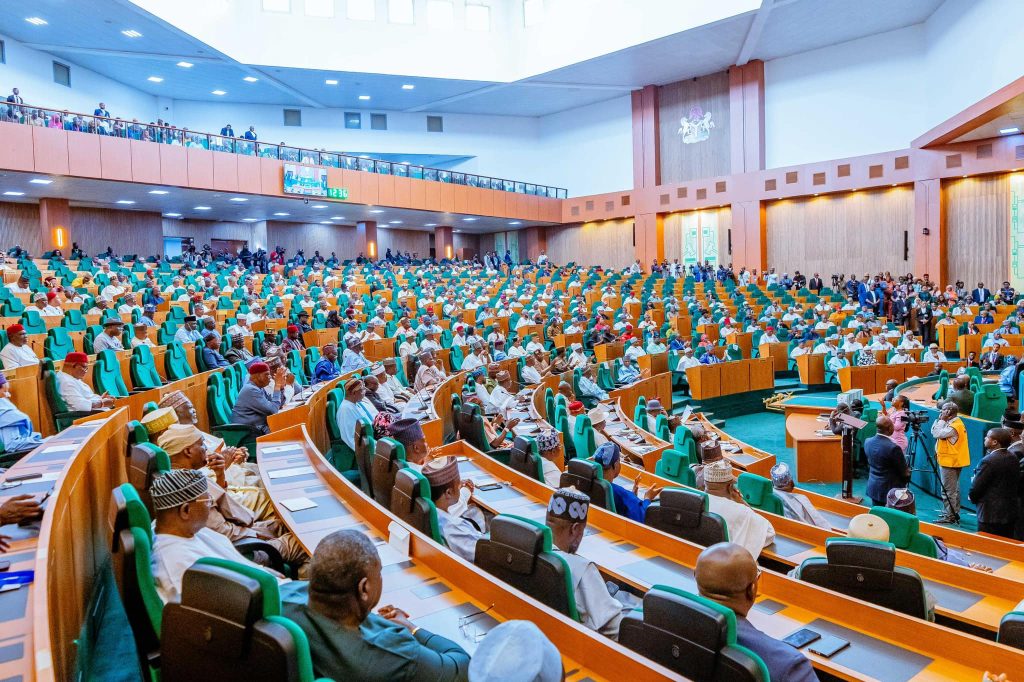
Reps Urge Tinubu to Consider Emergency Powers for Delta Killings
The Nigerian House of Representatives has urged President Bola Tinubu to consider invoking constitutional emergency measures in Delta State, Nigeria, should escalating political violence lead to a breakdown of public order and public safety.
This call by the House of Representatives underscores the grave concern over the deteriorating security situation in Delta State and highlights the constitutional powers vested in the President to address such crises. The potential invocation of emergency measures carries significant implications for civil liberties, governance, and the rule of law, as it can lead to temporary suspensions of certain rights or the imposition of extraordinary powers. For legal practitioners, it signals a period of heightened legal scrutiny, potential challenges to executive actions, and the need to advise clients on operating within a potentially restricted environment, emphasizing the delicate balance between national security and fundamental rights.
The primary legal framework for emergency measures in Nigeria is Section 305 of the 1999 Constitution of the Federal Republic of Nigeria (as amended), which empowers the President to declare a state of emergency under specific conditions, including a state of war, public danger, or natural disaster, or any other public emergency that threatens the existence of the Federation. Such a declaration requires parliamentary approval, highlighting the checks and balances inherent in the Nigerian constitutional system. The call for a comprehensive investigation into attacks on political gatherings also implicates the Criminal Code Act and the Police Act, which govern law enforcement and the investigation of criminal acts.
Key parties involved in this development are the Nigerian House of Representatives, which issued the urgent call; President Bola Tinubu, who holds the constitutional power to declare an emergency; and the state of Delta, which is the focus of the security concerns. The excerpt does not report any specific action taken by the President or the outcome of the House's urging, as it remains a recommendation at this stage.
Attorneys should closely monitor the security situation in Delta State and any potential executive actions by President Tinubu regarding emergency declarations. Businesses operating in or with interests in Delta State should review their contingency plans and risk assessments, particularly concerning contractual obligations, employee safety, and compliance with potential emergency regulations. Lawyers should be prepared to advise clients on the scope and limitations of emergency powers, fundamental rights implications, and potential legal challenges to any measures implemented, ensuring that any executive actions are within constitutional bounds.
How does this affect you?
Get an AI analysis of this article grounded in your jurisdictions, practice areas, and any policy documents you've uploaded to Wansom.
Finish Reading the Full Story and the Expert Analysis.
Get the latest legal & regulatory intelligence in Nigeria
Wansom is AI and can make mistakes.