
Sénégal: Rejet PLFR 2026; Meissa Babou Avertit des Conséquences
Summary
- Senegal's National Assembly rejected the proposed Loi de finances rectificative (LFR) 2026.
- This legislative rejection could force the government to revert to the initial finance law.
- Concerns have been raised regarding funding for social sectors and energy subsidies.
- The decision also poses risks to Senegal's commitments under agreements with the International Monetary Fund (FMI).
- Professor Meissa Babou, an economist and academic expert, issued a warning about these potential economic and social consequences.
Legislative Setback
The inability to pass the revised budget could therefore jeopardize these crucial agreements, potentially impacting Senegal's creditworthiness and its capacity to secure future international aid or loans.
The National Assembly in Senegal recently rejected the proposed Loi de finances rectificative (LFR) 2026, a critical legislative development that could compel the government to revert to its initial finance law. This unexpected decision regarding the rejet PLFR Sénégal Meissa Babou has created significant uncertainty surrounding the nation's fiscal direction for the upcoming period. The rectifying finance law typically adjusts the budget mid-year to reflect new economic realities or policy shifts, making its rejection a substantial blow to planned governmental expenditures and revenue adjustments.
This legislative outcome means that the financial framework initially approved for the year might now serve as the operational budget, potentially without the necessary modifications to address evolving national priorities or unforeseen economic challenges. The implications of this return to the Loi de finances initiale are far-reaching, touching upon various facets of public administration and economic stability. The government now faces the complex task of navigating its financial obligations under potentially outdated budgetary provisions.
Fiscal and Social Concerns
The PLFR 2026 rejet conséquences are particularly acute in several key areas, according to expert analysis. One primary concern revolves around the continued funding for essential Services sociaux financement Sénégal. The initial budget might not adequately cater to the evolving needs of these sectors, which include healthcare, education, and social welfare programs, potentially leading to service disruptions or underfunding. The rectifying law was likely intended to allocate additional resources or re-prioritize spending in these critical public service domains.
Furthermore, the rejection casts a shadow over the future of Subventions énergétiques Sénégal. These subsidies are crucial for managing the cost of fuel and electricity for citizens and businesses, often playing a significant role in maintaining social stability and economic competitiveness. A return to the initial finance law could mean that the provisions for these subsidies are either insufficient or misaligned with current market prices and consumer demands, potentially necessitating difficult policy choices or leading to increased public burden.
International Commitments at Risk
Another critical dimension of the PLFR 2026 rejet conséquences pertains to Senegal's international financial obligations, particularly its Accords FMI Sénégal. The International Monetary Fund often provides financial assistance contingent on specific fiscal reforms and budgetary discipline. A rectifying finance law is frequently used to align national budgets with these agreed-upon conditions, ensuring compliance and continued access to vital international funding.
The inability to pass the revised budget could therefore jeopardize these crucial agreements, potentially impacting Senegal's creditworthiness and its capacity to secure future international aid or loans. The government's commitment to fiscal prudence and structural reforms, as outlined in its engagements with the FMI, might be called into question if the budgetary framework cannot be updated to reflect these commitments. This situation underscores the delicate balance between domestic legislative processes and international financial partnerships.
Expert Warning from Professor Babou
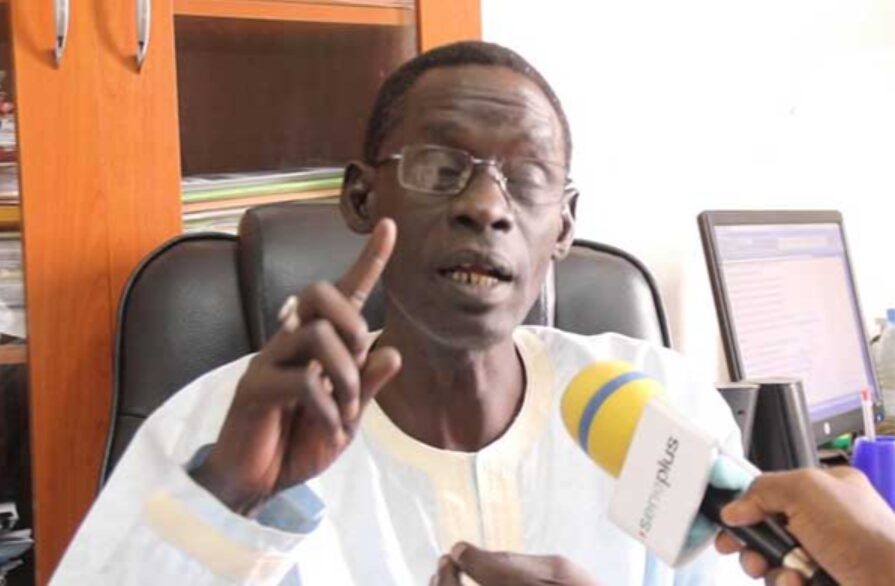
In light of these pressing issues, Professor Meissa Babou, an academic expert and economist at Cheikh Anta Diop University in Dakar, has issued a stark Pr Meissa Babou avertissement regarding the potential fallout from the National Assembly's decision. His concerns highlight the interconnectedness of these fiscal challenges, emphasizing that the rejection of the Loi de finances rectificative 2026 Sénégal is not merely a procedural matter but one with profound implications for the nation's economic and social fabric. Professor Babou's intervention underscores the gravity of the situation, urging policymakers to consider the broader ramifications of the legislative impasse.
Professor Babou's analysis serves as a critical voice, drawing attention to the immediate and long-term risks associated with the rejet PLFR Sénégal Meissa Babou. His warning specifically points to the potential for disruptions in social service funding, instability in energy subsidies, and the possible strain on Senegal's relationships with international financial institutions like the FMI. This expert perspective reinforces the urgent need for a resolution that addresses these multifaceted challenges effectively and sustainably.
Practical Implications
Lawyers advising clients in Senegal should monitor the government's response to the rejected PLFR, as it may lead to significant shifts in public spending, subsidies, and compliance requirements related to international financial agreements like those with the FMI. This could impact sectors reliant on government funding or subject to specific fiscal policies.
Source
How does this affect you?
Get an AI analysis of this article grounded in your jurisdictions, practice areas, and any policy documents you've uploaded to Wansom.
Wansom is AI and can make mistakes.