
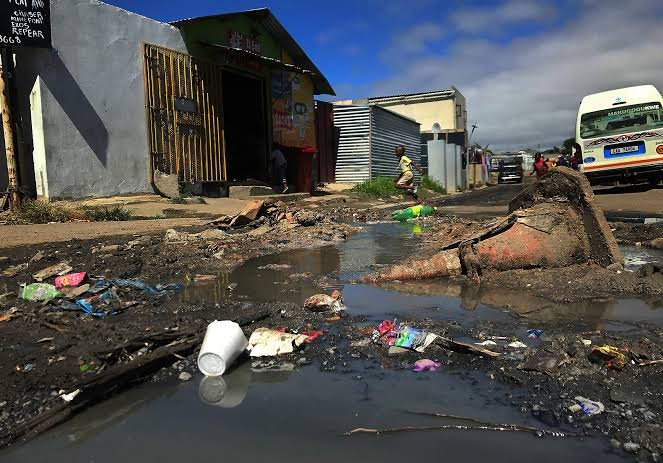
Raw Sewage Is Flowing in Nearly Every Metro
Summary
- Seven out of eight South African metro municipalities experienced a decline in wastewater treatment scores between 2021 and 2024, according to the 2025 Green Drop report.
- Ekurhuleni scored highest at 82% but still declined, while Buffalo City recorded the lowest "critical" score of 26%.
- Johannesburg's score plummeted to a "very poor" 49% in 2024, and EThekwini saw the biggest drop to 31% due to flood impacts.
- Mangaung was the only metro to improve its score to 43%, but its effluent still flows into a drinking water source.
- This widespread deterioration indicates significant municipal non-compliance, posing severe public health and environmental risks, including disease transmission and ecosystem damage.
What Happened
This widespread South Africa Green Drop report metro decline underscores a systemic failure in municipal wastewater management.
The latest Green Drop report, assessing wastewater treatment performance across South Africa's metropolitan municipalities, reveals a significant and widespread decline in scores between 2021 and 2024. This comprehensive evaluation by the Department of Water and Sanitation (DWS Green Drop assessment) indicates that seven out of eight metros have experienced a deterioration in their sewage treatment capabilities, signaling a critical challenge for public health and environmental integrity. The Green Drop score measures the effectiveness of wastewater treatment works, with proper treatment ensuring discharge is clear, nearly odorless, and safe for river systems, preventing disease transmission and ecological damage.
Ekurhuleni emerged with the highest score among metros in 2024, achieving 82%, though this still represented a decrease from 86% in 2021. It was the sole metro to receive a "good" rating, with six of its seventeen wastewater treatment plants attaining Green Drop status, signifying excellent performance. However, even in Ekurhuleni, reports indicate frequent sewage spills. Cape Town's score fell to 75%, moving it from a "good" to an "average" classification and marking its lowest performance to date, though none of its facilities are in a critical state.
The decline is particularly stark in other major urban centers. Johannesburg's scores have consistently worsened across audit cycles, plummeting from an excellent 91% in 2011, to 86% in 2013, 73% in 2021, and a "very poor" 49% in 2024. The city faces severe operational failures at its two largest wastewater treatment works and is exceeding design capacity at another facility. Nelson Mandela Bay saw its score drop from 58% in 2021 to 36% in 2024, with two of its seven treatment works disqualified, attributing issues to vandalism and procurement challenges. Tshwane recorded a 34% score in 2024, a significant fall from 60% in 2021 and 82% in 2013, with most of its treatment systems now performing poorly and many in a critical condition.
EThekwini experienced the most substantial decline, moving from "excellent" in 2011 and 2013, to "average" in 2021, and a "very poor" 31% in 2024, largely impacted by the April 2022 floods. Buffalo City is the only metro with a "critical" score of 26%, down from 59% in 2021, with twelve of its fifteen systems scoring below 31%, citing vandalism and a failure to commission a new sludge plant in 2021. In contrast, Mangaung was the only metro to show an improvement, albeit from a low base, reaching 43%. Despite this, its score remains low, with insufficient preventative maintenance, limited treatment capacity, and reports of effluent flowing into Maselspoort Dam, a drinking water source, due to non-functioning works and missing equipment. This widespread South Africa Green Drop report metro decline underscores a systemic failure in municipal wastewater management.
Legal Context
The consistent decline in SA metro wastewater treatment scores, as highlighted by the Green Drop report 2025 South Africa, places municipalities in a precarious legal and regulatory position. The Department of Water and Sanitation's Green Drop assessment serves as a critical benchmark for compliance with environmental and public health standards. When wastewater treatment works fail to meet these standards, as evidenced by the widespread "very poor" and "critical" ratings, it indicates significant municipal wastewater non-compliance South Africa.
This non-compliance carries substantial legal ramifications. Untreated sewage environmental impact SA is severe, leading to potential violations of environmental protection laws designed to safeguard water resources and ecosystems. The discharge of inadequately treated effluent into rivers and other water bodies can result in direct harm to aquatic life, contaminate drinking water sources, and contribute to the spread of waterborne diseases like cholera, thereby infringing on citizens' rights to a healthy environment and access to safe water.
The DWS, as the primary regulator, is empowered to take enforcement actions against defaulting municipalities. These actions could range from directives to implement corrective measures to administrative penalties or even criminal charges for severe and persistent environmental pollution. The documented failures, such as those in Johannesburg with its failing works or Mangaung with effluent entering a drinking water source, provide clear grounds for such interventions, increasing the likelihood of regulatory scrutiny and potential legal battles.
Why It Matters
The pervasive South Africa Green Drop report metro decline signifies a deepening crisis with profound implications for public health, environmental sustainability, and municipal governance across the nation. The failure of numerous SA metro wastewater treatment scores to meet acceptable standards means that millions of residents are exposed to increased risks of waterborne diseases, while vital ecosystems suffer from the continuous influx of untreated sewage. This situation not only threatens human well-being but also undermines the country's natural capital, impacting biodiversity and the availability of clean water resources.
Beyond the immediate health and environmental concerns, the widespread municipal wastewater non-compliance South Africa highlighted by the Green Drop report 2025 South Africa has significant socio-economic consequences. Contaminated water sources can disrupt agricultural activities, impact tourism, and necessitate costly interventions for water purification, placing additional burdens on already strained municipal budgets. The DWS Green Drop assessment serves as a stark warning that current management practices are unsustainable and require urgent, systemic reform.
For legal professionals, this scenario presents a growing landscape of potential litigation, including environmental class actions and claims for damages arising from pollution-related illnesses or economic losses. Municipalities face heightened exposure to legal challenges from affected communities and environmental advocacy groups. The imperative for robust oversight and accountability is paramount, as the ongoing deterioration of wastewater infrastructure and treatment quality poses a fundamental threat to the nation's developmental goals and the constitutional rights of its citizens to a healthy and safe environment.
Practical Implications
This widespread decline in municipal wastewater treatment scores indicates increased environmental and public health risks, potentially leading to greater regulatory scrutiny, enforcement actions against municipalities, and opportunities for environmental litigation or class actions in South Africa. Lawyers should advise clients on potential liabilities arising from environmental pollution due to municipal wastewater failures and monitor regulatory responses from the Department of Water and Sanitation.
Source
Source: Original reporting via GroundUp
How does this affect you?
Get an AI analysis of this article grounded in your jurisdictions, practice areas, and any policy documents you've uploaded to Wansom.
Finish Reading the Full Story and the Expert Analysis.
Get the latest legal & regulatory intelligence in South Africa
Wansom is AI and can make mistakes.