
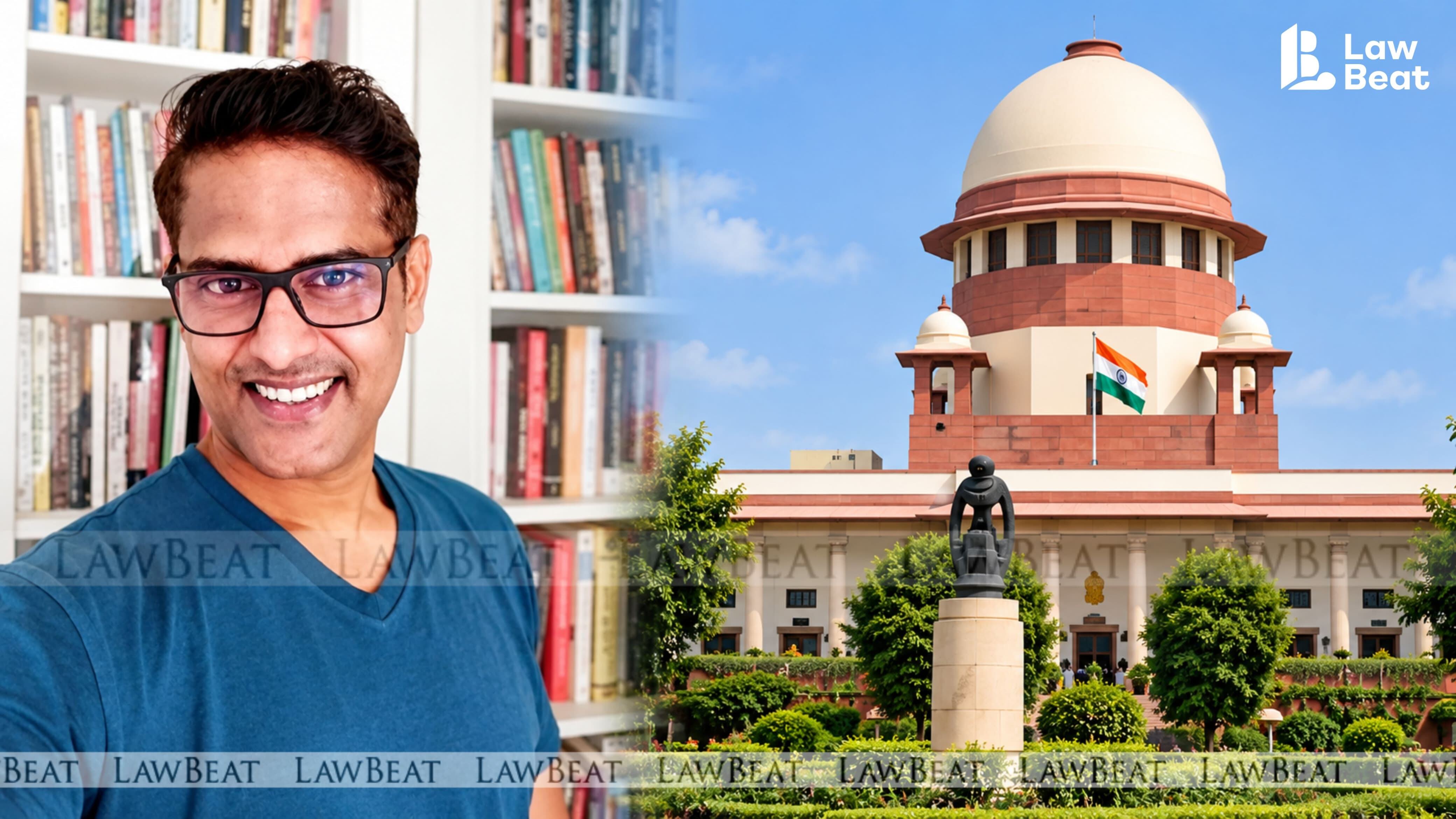
Supreme Court: Journalist Ravi Nair Withdraws FIR Quashing Plea
Summary
- Journalist Ravi Nair withdrew his plea in the Supreme Court seeking to quash an FIR related to a Washington Post article.
- The FIR concerned allegations of government influence over LIC's investments in Adani Group companies.
- Nair's counsel, Senior Advocate Kapil Sibal, advised withdrawing the plea to challenge the FIR's merits later, particularly if a chargesheet is filed.
- The Supreme Court allowed the withdrawal, explicitly reserving Nair's right to raise his grievances before an appropriate forum at an appropriate stage.
- Separately, Nair was previously convicted in Gujarat for criminal defamation under Section 499 IPC, receiving a one-year sentence and a ₹5,000 fine.
Strategic Withdrawal from Supreme Court
The Supreme Court's decision to allow the withdrawal, without adjudicating the merits of the FIR, strategically leaves open the possibility for journalist Ravi Nair to contest the criminal proceedings at a more opportune juncture.
Journalist Ravi Nair recently withdrew a petition before the Supreme Court of India that sought to quash a First Information Report (FIR) filed against him. The FIR stemmed from an article published in The Washington Post, which alleged governmental influence over the Life Insurance Corporation of India’s (LIC) investments in various Adani Group companies. The Supreme Court, comprising Justices Vikram Nath and Sandeep Mehta, formally allowed this withdrawal.
Senior Advocate Kapil Sibal, representing Nair, informed the bench that he had advised his client to address the substantive issues raised in the petition at a more suitable stage. Sibal specifically indicated that these points would be contested if and when a chargesheet is filed in the case. This procedural move was granted with the explicit understanding that Nair retains the right to present his grievances before the appropriate forum at a later time.
The Court's decision to allow the withdrawal, without adjudicating the merits of the FIR, strategically leaves open the possibility for journalist Ravi Nair to contest the criminal proceedings at a more opportune juncture. This means the Supreme Court did not delve into the allegations contained within the FIR or the validity of Nair’s challenge, effectively preserving his legal options for future engagement.
Background of the FIR
The criminal proceedings against Ravi Nair originated from his Washington Post article, which focused on the contentious issue of LIC's financial dealings with Adani Group entities. The article specifically highlighted claims that the Indian government exerted undue influence on LIC’s investment decisions concerning these companies. It was in response to this FIR that Nair initially approached the Supreme Court, seeking to have the criminal proceedings against him dismissed.
With the plea now withdrawn, the legal questions surrounding the FIR and the allegations contained within it remain unresolved by the Supreme Court. These matters are now open for re-evaluation and potential challenge by Nair before a relevant judicial body at a subsequent stage of the legal process, aligning with the strategic intent behind the withdrawal.
Prior Defamation Conviction
This development follows an earlier legal setback for Ravi Nair, who was convicted earlier this year by a court in Gujarat for criminal defamation. The conviction was made under Section 499 of the Indian Penal Code, which deals with defamation. Judicial First Class Magistrate Damini Dixit sentenced Nair to one year of imprisonment and imposed a fine of ₹5,000.
During the defamation proceedings, Nair argued that his publications constituted fair comment and legitimate criticism on issues of public concern and governance. However, the court rejected this defense, concluding that a series of social media posts and articles published by Nair transcended the boundaries of fair comment or legitimate criticism. The court found that these materials were defamatory and specifically designed to harm the reputation of AEL and the broader Adani Group. Arguments asserting that such commentary was protected free speech were dismissed, with the court holding that the content had indeed caused reputational damage. The magistrate emphasized that individuals involved in reporting or commentary are expected to act responsibly, particularly when making definitive imputations that could affect others' reputations.
Details of the Defamation Complaint
The defamation complaint that led to Nair's conviction was filed under Section 190(1)(a) of the Code of Criminal Procedure. It alleged that between October 2020 and July 2021, Nair disseminated numerous posts from his X (formerly Twitter) handle containing imputations that damaged the complainant company's reputation. Furthermore, the complaint asserted that articles published on the website “www.adaniwatch.org” featured distorted and defamatory narratives concerning the company’s business practices, regulatory compliance, and financial dealings.
The complaint was formally lodged by Anshul Rajendraprasad Saini, acting as an authorized signatory based on a Board Resolution. During the inquiry, conducted under Section 202 CrPC (which corresponds to Section 224 of the Bharatiya Nagarik Suraksha Sanhita), the court meticulously examined various pieces of evidence. This included witness testimonies and documentary materials such as copies of tweets, web articles, and a certificate issued under Section 65B of the Indian Evidence Act (corresponding to Section 63 of the Bharatiya Sakshya Adhiniyam), all presented to substantiate the allegations.
Practical Implications
This development highlights a strategic procedural move where a plea to quash an FIR was withdrawn from the Supreme Court, reserving the right to challenge the FIR's merits at a later, more appropriate stage (e.g., post-chargesheet). Lawyers advising media or individuals facing similar criminal proceedings should note this approach, as it allows for a re-evaluation of legal strategy without a definitive ruling on the FIR's validity.
Source
How does this affect you?
Get an AI analysis of this article grounded in your jurisdictions, practice areas, and any policy documents you've uploaded to Wansom.
Finish Reading the Full Story and the Expert Analysis.
Wansom is AI and can make mistakes.