
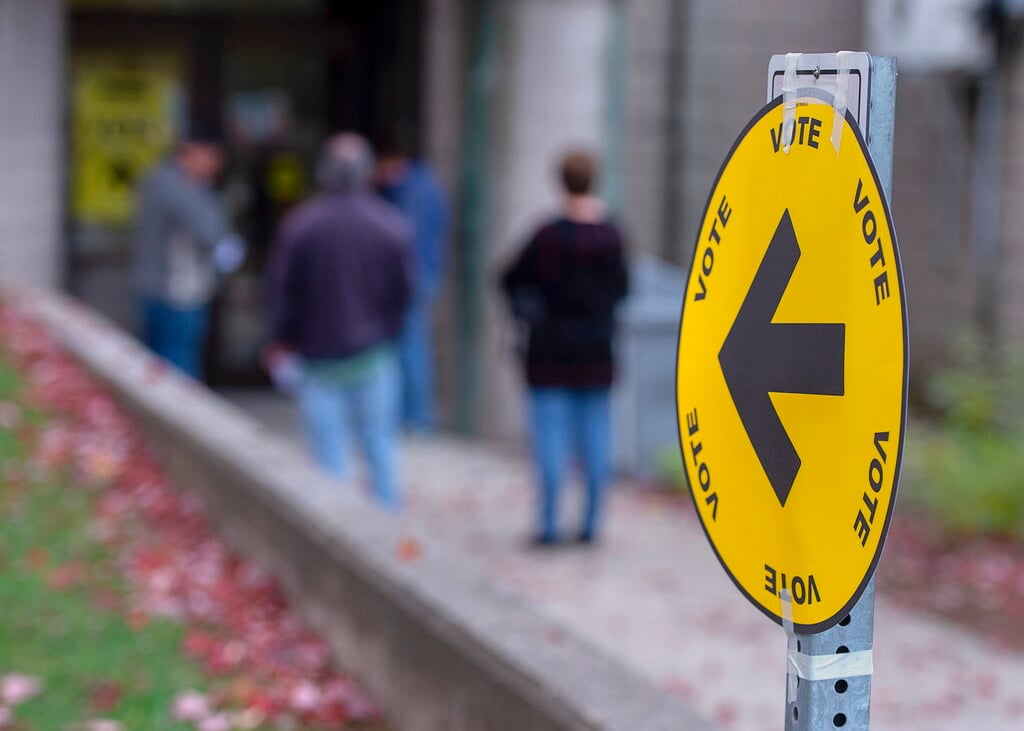
Québec Court: Orders English French Voter Information for Reminder Cards
Summary
- A Québec court has ordered Élections Québec to send voter reminder cards in both French and English for the upcoming provincial elections.
- Superior Court Judge Sylvain Lussier ruled that French-only information violated English-speaking Quebecers' right to vote under the Canadian Charter of Rights and Freedoms.
- The decision stems from a challenge to Bill 96, which reinforces French as the sole official language and restricts English public services.
- The injunction applies only to voter reminder cards, as other materials were already mailed in French, and the court deemed it too costly to re-send them.
- The ruling emphasizes the importance of every vote and the public interest in ensuring access to essential electoral information for all citizens.
Court Mandates Bilingual Voter Information
This ruling establishes a precedent that Québec's language laws (e.g., Bill 96) may be limited when they infringe upon fundamental rights like voting, compelling public bodies to provide essential information in English.
A Québec court has mandated that Élections Québec must distribute essential voter reminder cards in both French and English for the upcoming provincial elections. Superior Court of Quebec Judge Sylvain Lussier issued an interlocutory injunction, ruling that providing election information solely in French infringed upon the voting rights of English-speaking Quebecers, as protected by the Canadian Charter of Rights and Freedoms Québec. The decision came on the final day before these crucial reminder cards were scheduled for printing, ensuring that voters would receive details on where, when, and how to cast their ballots in both official languages.
The ruling followed arguments presented on September 10 by plaintiff Geoffrey Chambers, the Québec Attorney General, and Élections Québec. Chambers, formerly leading an anglophone rights organization now known as Talking. Advocating. Living in Québec (TALQ), contended that a French-only approach would unlawfully impede English-speaking citizens' ability to exercise their franchise. Judge Lussier concurred, noting that such a policy would effectively prevent approximately 12% of the electorate from accessing necessary information in English, the language in which they had historically received it.
While the injunction specifically covers voter reminder cards, the court acknowledged that other election materials, including the general voter information card and election guide, had already been dispatched in French only. Judge Lussier deemed it impractical and excessively costly to produce and mail English versions of these previously distributed documents at this late stage. The immediate impact of the Québec court orders English French voter information for reminder cards will add an estimated CA$6 million to Élections Québec's expenses, increasing the total mailout cost to CA$16.4 million.
Legal Context and Language Law Challenge
The legal challenge to Élections Québec language requirements arose directly from the province's controversial "Act respecting French, the official and common language of Québec, made to the Charter of the French Language," commonly known as Bill 96. Enacted in 2022, this legislation significantly reinforces French as the sole official language of Québec and imposes restrictions on access to public services in English. Élections Québec had been in discussions with the government since 2023, seeking an exemption from Bill 96's provisions, expressing concerns that compliance could compromise the integrity and validity of elections.
Despite these appeals, Élections Québec's request for an exemption was ultimately denied. In response, the organization proposed making English information available via its website and a dedicated phone line, but only for individuals meeting specific criteria under the law, such as Indigenous people and those eligible for English-language instruction. However, Judge Lussier found these proposed solutions inadequate, particularly highlighting potential difficulties for elderly individuals who might struggle with technology or internet access. This Bill 96 voter information challenge underscores the tension between language preservation efforts and fundamental democratic rights.
Judge Lussier's ruling emphasized the public interest in upholding established rights. He posed a rhetorical question, asking whether it was in the public interest to abruptly deny Québec's English-speaking community the right to receive election information in their language, a right they had always enjoyed, and concluded that the answer was self-evident. This aspect of the Sylvain Lussier language ruling suggests a judicial inclination to protect access to critical information, especially when it pertains to civic participation.
Implications for Electoral Integrity
The injunction is temporary, set to expire after 10 days, coinciding with the end of the mailout period for the reminder cards. The parties involved may need to return to court to seek a renewal of the order, indicating that the broader issue of Québec language law electoral impact on voter access remains a live concern. Élections Québec has not commented directly on the ruling but confirmed its intention to produce the bilingual reminder cards as ordered.
In his decision, Judge Lussier referenced a significant precedent from the Supreme Court of Canada, which had nullified a 2025 parliamentary election in the Québec district of Terrebonne. That election was decided by a single vote, and a voter claimed she was unable to cast her ballot due to an address error on her voter card. The Supreme Court's decision in that case, which Judge Lussier cited, reiterated the paramount importance of every single vote in the democratic process. This historical context underscores the court's commitment to ensuring that no eligible voter is disenfranchised due to a lack of accessible information.
This ruling establishes a precedent that Québec's language laws (e.g., Bill 96) may be limited when they infringe upon fundamental rights like voting, compelling public bodies to provide essential information in English. Lawyers advising clients on compliance with Québec's language legislation should note this decision as it indicates potential avenues for challenging French-only mandates where access to critical services or rights is at stake.
Source
How does this affect you?
Get an AI analysis of this article grounded in your jurisdictions, practice areas, and any policy documents you've uploaded to Wansom.
Finish Reading the Full Story and the Expert Analysis.
Get the latest legal & regulatory intelligence in United States
Wansom is AI and can make mistakes.